


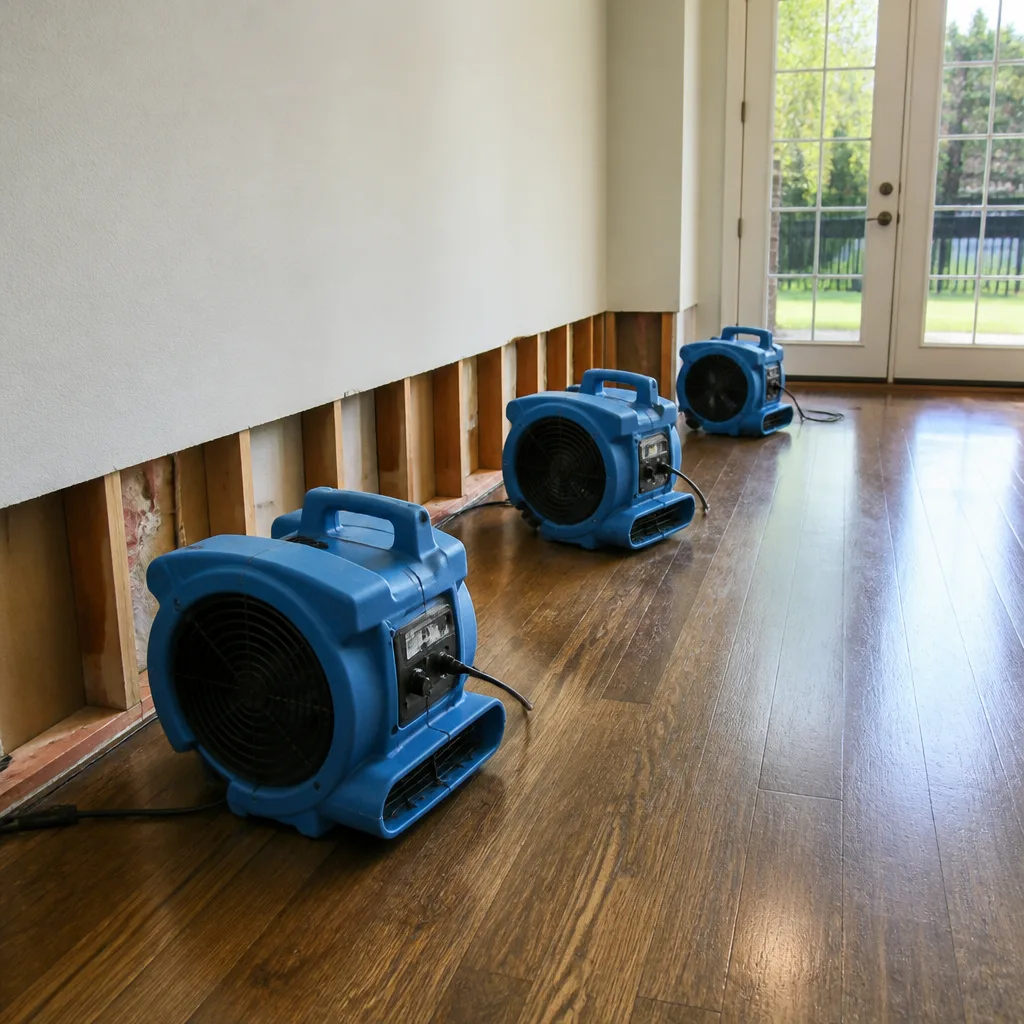
 Water damage drying
 Fire & smoke cleanup
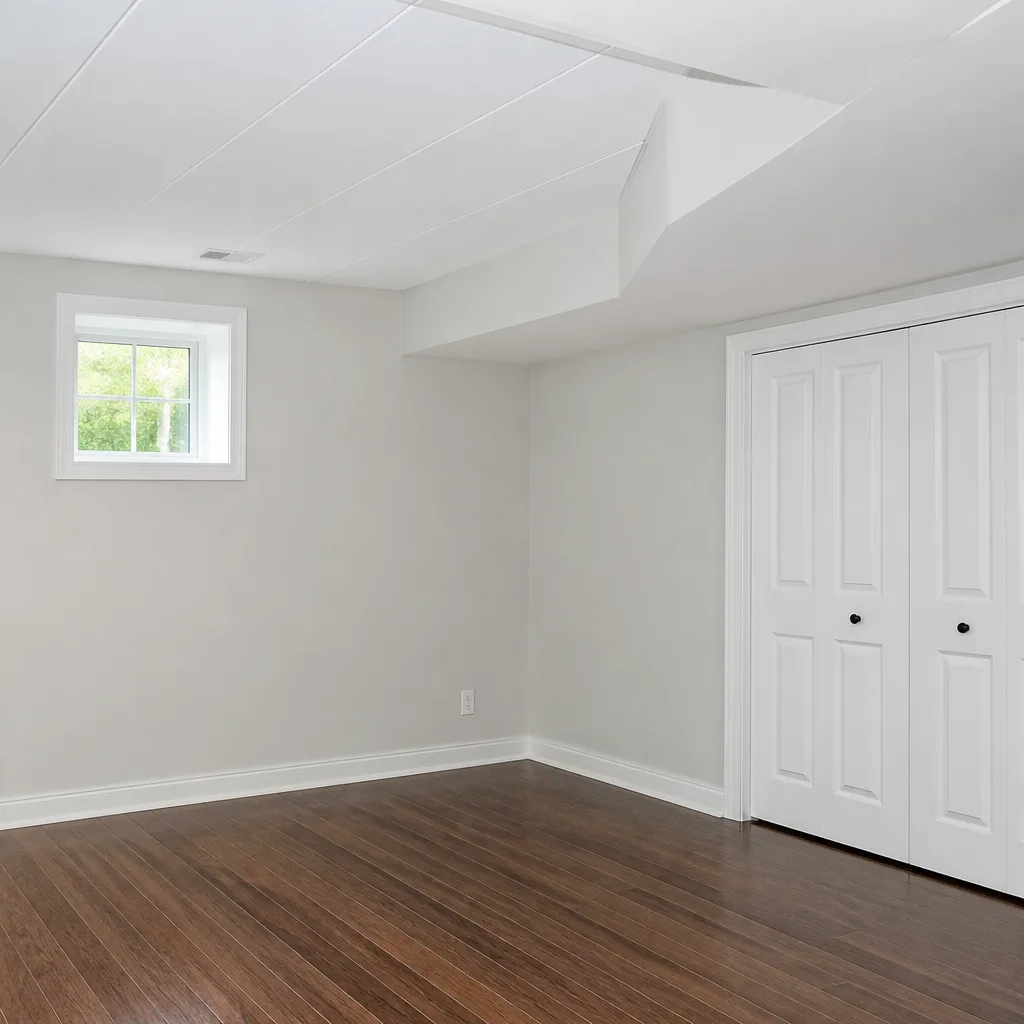 Mold remediation
 Storm response
 Sewage cleanup
 Reconstruction
Free visual inspection and a written scope of work before any mitigation begins - photos, moisture readings, and drying logs go in your claim file
The scope we write is the scope we bill. Anything new gets shown to you, in writing, before we touch it.
Get your free estimateFast, Reliable Mold Remediation Across San Antonio Heights
Mold remediation in San Antonio Heights typically costs $1,800 to $6,500 depending on the extent of the contamination, and most jobs are fully scoped and started within 48 to 72 hours. That’s the direct answer. What makes this community different is that mold problems here rarely come from a single source. Homes in the 91784 ZIP sit below a wildfire burn scar and on an alluvial fan that channels debris flows, which means moisture can enter walls, crawlspaces, and framing through pathways most remediation crews in neighboring cities never look for.
We’ve worked in San Antonio Heights long enough to know that a simple attic leak here often has a hidden companion: charred vent screens from a previous fire season, a sediment-packed crawlspace from a January debris flow, or aging supply lines in a 1960s ranch. If your mold problem feels stubborn or recurring, call our Mold Remediation team at (855) 382-0478. We’ll tell you what we’re seeing, what it costs, and what actually needs to happen next.
Why Whitfield Water Damage Is San Antonio Heights’s Preferred Mold Remediation Company
Whitfield Water Damage operates with IICRC-certified drying protocol on every job we run in San Antonio Heights. That’s not a marketing line. It means our technicians follow the same science-based process regardless of whether the moisture source is a burst supply line on Almond Avenue or sediment-packed crawlspace on Ridgecrest Drive. We document moisture readings, track drying progress, and treat framing with antimicrobial protocols consistent with what insurance adjusters expect to see.
Led by Nolan Pruett, our crews carry professional-grade equipment from Dri-Eaz and Phoenix, not rental-store fans. For older San Antonio Heights homes with original hardwood subfloors and plaster walls, that equipment difference is the difference between drying what’s salvageable and tearing out what didn’t need to be torn out.
Local homeowners also tell us they appreciate that we do water, mold, and fire restoration under one roof. Wildfire season and flood season overlap here. You don’t want a mold company that can’t handle the water damage that caused the mold in the first place.
Restoration work we handle
Professional Mold Removal in San Antonio Heights
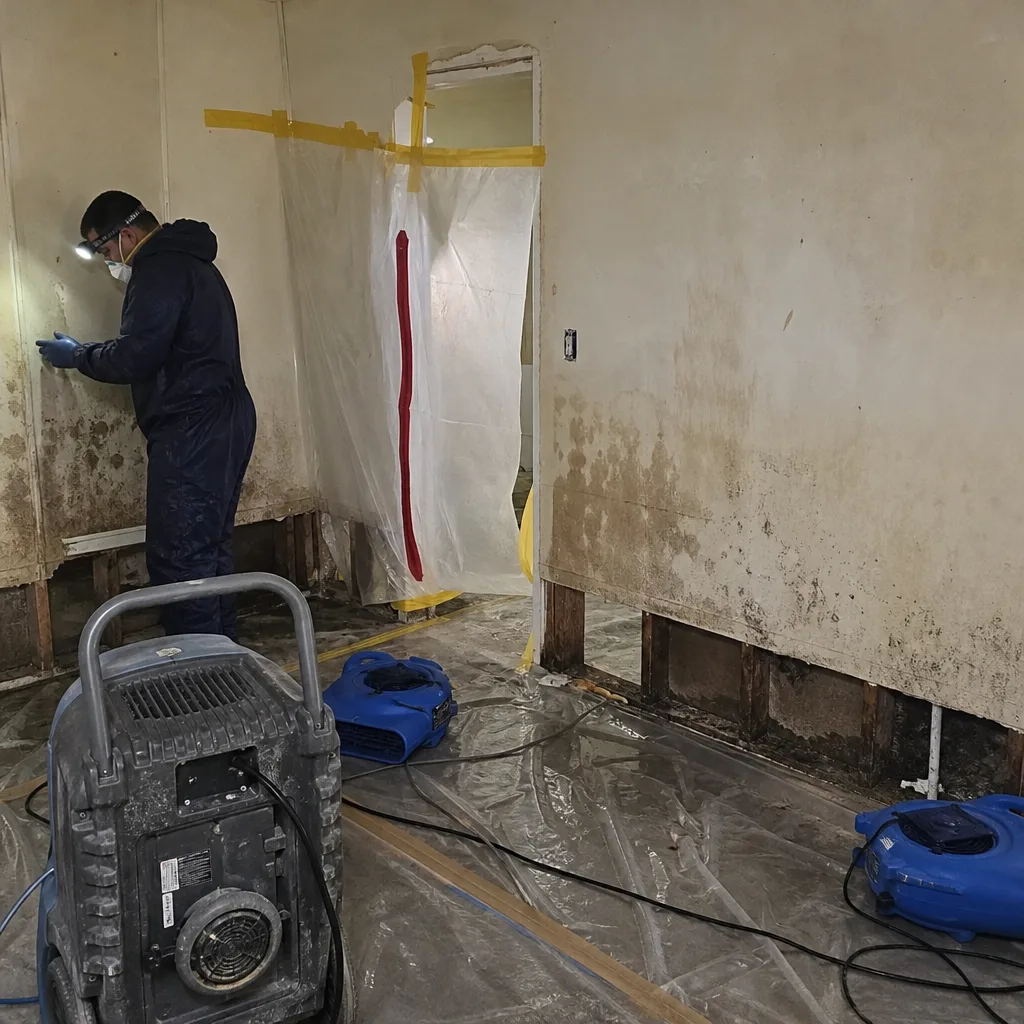
Professional Mold Removal in San Antonio Heights means full containment, source elimination, and verification, not just spraying a product and walking away. When we remove mold in this community, we’re accounting for the fact that the moisture source may be hidden inside a wall cavity that was compromised by ember intrusion months before you ever saw staining on the drywall. That’s the San Antonio Heights difference.
A typical mold removal job here runs $1,800 to $4,200 for a contained room or hallway. Larger jobs involving crawlspaces, multiple rooms, or HVAC contamination run higher, often $4,000 to $6,500.
Containment and Air Filtration
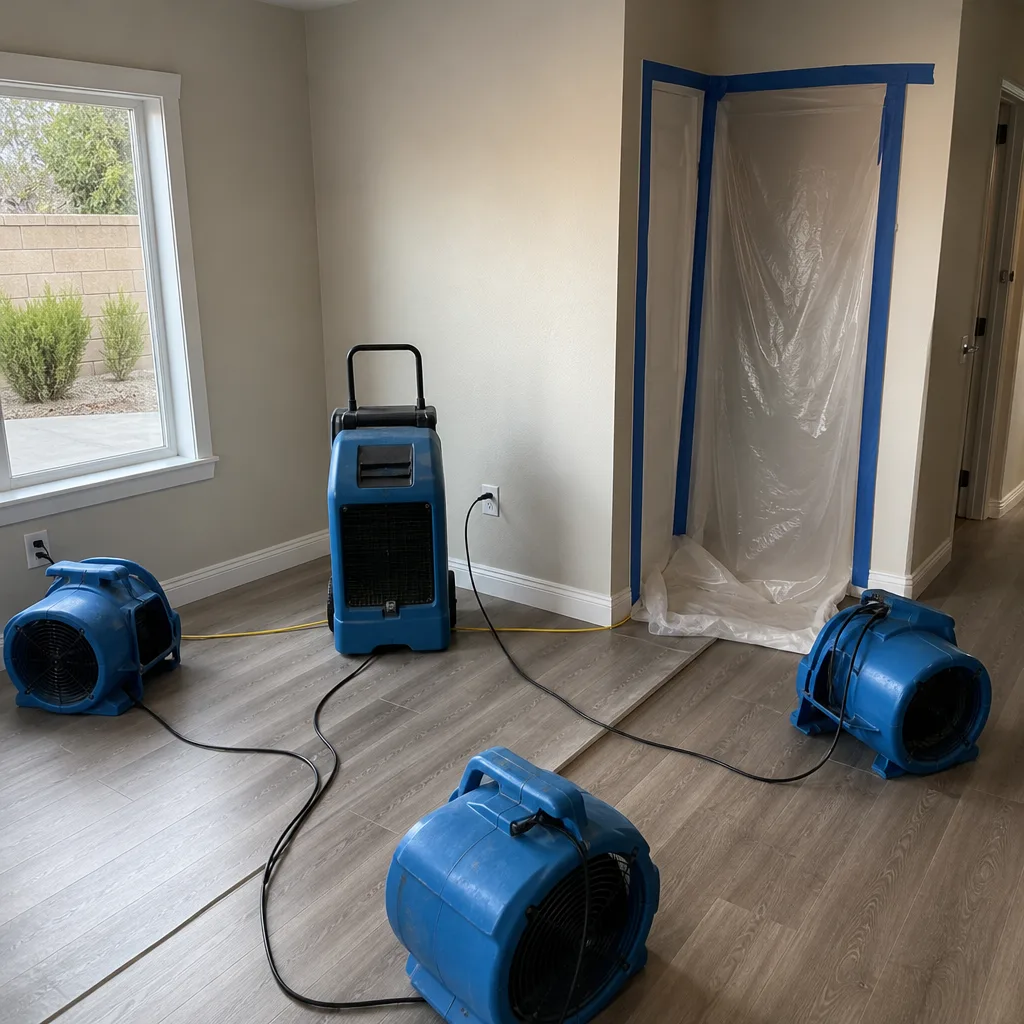
We set up negative air pressure and containment barriers before disturbing any moldy material. In San Antonio Heights homes with original plaster and lathe, this step matters even more, because plaster dust and mold spores move through old vent systems fast. Our crews use HEPA-filtered air scrubbers throughout the job.
Structural Drying and Treatment
After removal, we dry the affected structure to IICRC standards and apply antimicrobial treatment to exposed framing. With charred or fire-exposed wood, we treat it more aggressively, because heat-damaged wood is more porous and colonizes mold faster. Skipping this step is why some San Antonio Heights homeowners see mold return within a year.
Mold Inspection in San Antonio Heights
Mold Inspection in San Antonio Heights is what we recommend first when you smell something musty but can’t see it, or when you’ve had water damage and want to know if anything got into the walls. An inspection runs $350 to $700 depending on how many areas need testing and whether we’re pulling air samples or surface samples. If you’re selling a home in the 91784 ZIP, a documented inspection is also something buyers here increasingly request, especially after the fire and flood cycles we’ve seen.
Moisture Mapping and Air Sampling
We don’t just look for visible mold. We map moisture across walls, floors, and ceilings with the same meters and thermal imaging tools we use on water damage jobs. In San Antonio Heights, where sediment from debris flows can trap moisture under a home for months before anyone notices, that mapping is the only way to find hidden colonies.
Post-Remediation Verification
After any mold removal, we recommend clearance testing to confirm spore counts have returned to normal background levels. This is the paperwork that matters if you ever sell, rent, or file an insurance claim. We document everything so you have a clear record of what was found and what was done.

Trusted Brands We Service in San Antonio Heights
We work on all makes and configurations of ventilation, dehumidification, and drying equipment found in San Antonio Heights homes, and we keep common replacement parts for Dri-Eaz dehumidifiers and Phoenix air movers on hand. That means when a San Antonio Heights homeowner needs a fast part swap mid-remediation, we’re not waiting on a shipment from a distributor. Nolan Pruett keeps the parts inventory lean but targeted, because he knows which units this community actually runs. If you have an older system that’s been struggling to keep humidity down since the last storm season, give us a call and we’ll tell you what’s worth repairing and what’s worth replacing.
Common Mold Remediation Problems We See in San Antonio Heights Homes
- Hidden moisture pockets from ember intrusion: Wildfire embers can smolder behind vent screens and inside wall cavities for weeks, creating localized moisture that never shows up as a visible leak. By the time mold appears on drywall, the cavity behind it has often been wet for months.
- Sediment-packed crawlspaces after debris flows: When runoff from the Grand Prix Fire burn scar pushes mud and debris down the canyons, crawlspaces on the lower slopes fill with sediment. That material holds water against subflooring and framing long after the surface looks dry.
- Original plumbing in mid-century homes: Many San Antonio Heights homes still run galvanized supply lines and original cast iron drains. Slow pinhole leaks inside walls are common, and they feed mold growth behind cabinets and under flooring without ever producing a puddle you’d notice.
- Older vent screens that let embers through: The standard mesh on 40-year-old vent screens is wide enough for wind-driven embers to pass through. Once charred, those screens lose integrity and become entry points for the next rain. We replace them with ember-rated screens on nearly every mold job we run in the 91784 ZIP.
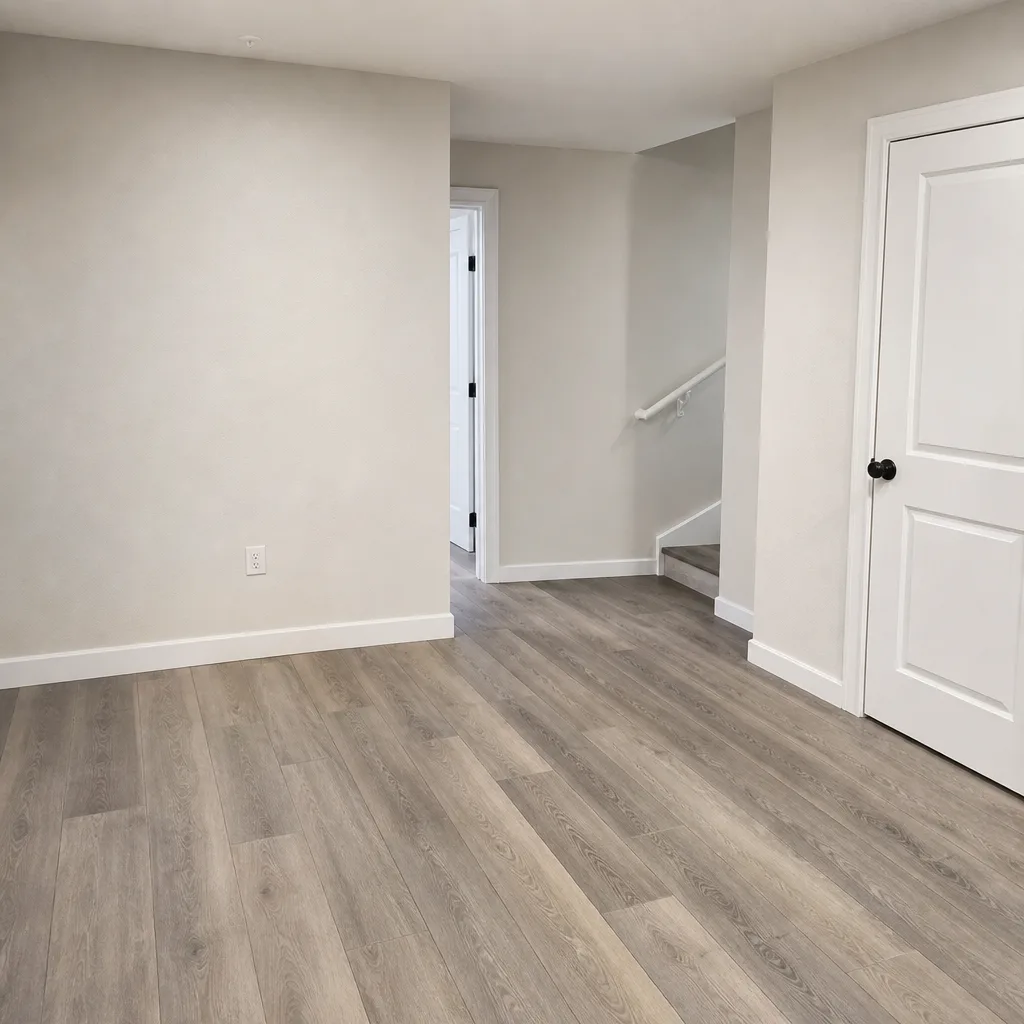
See the difference
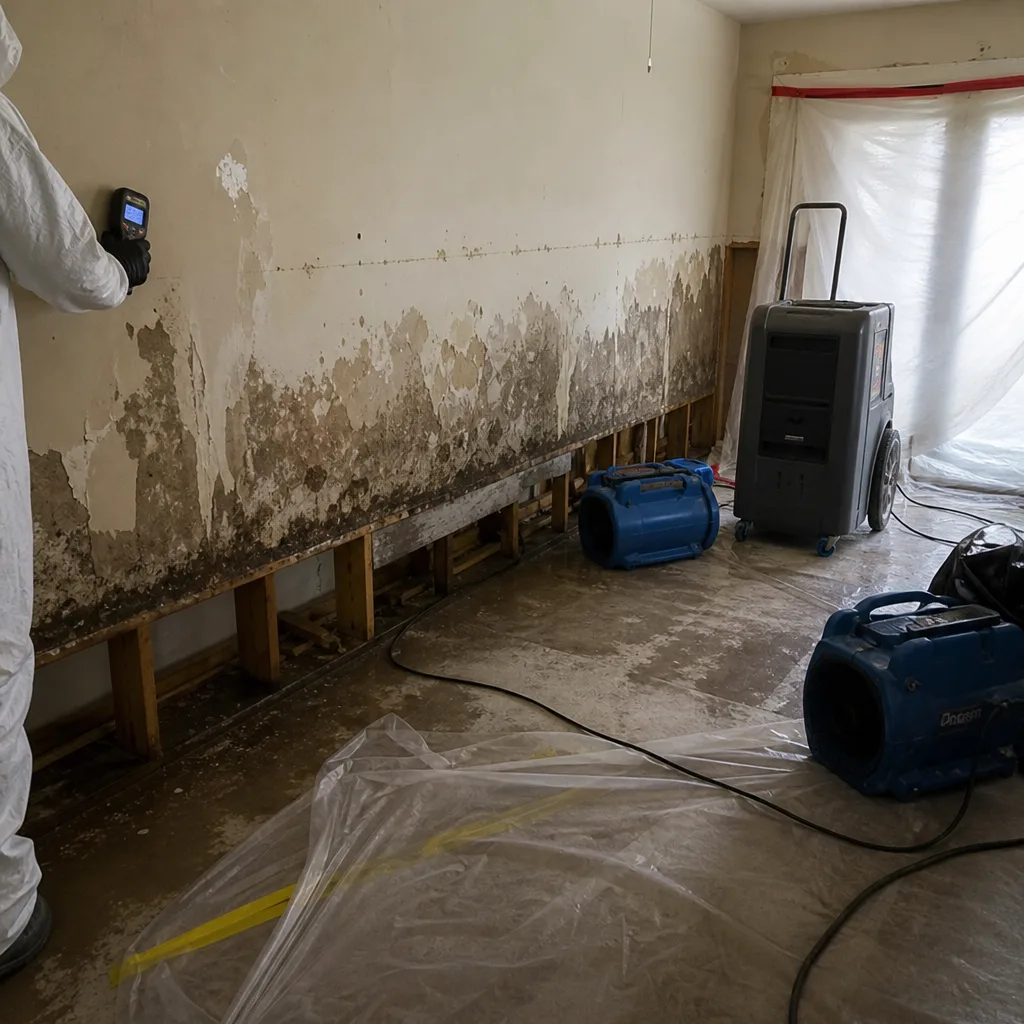 Before
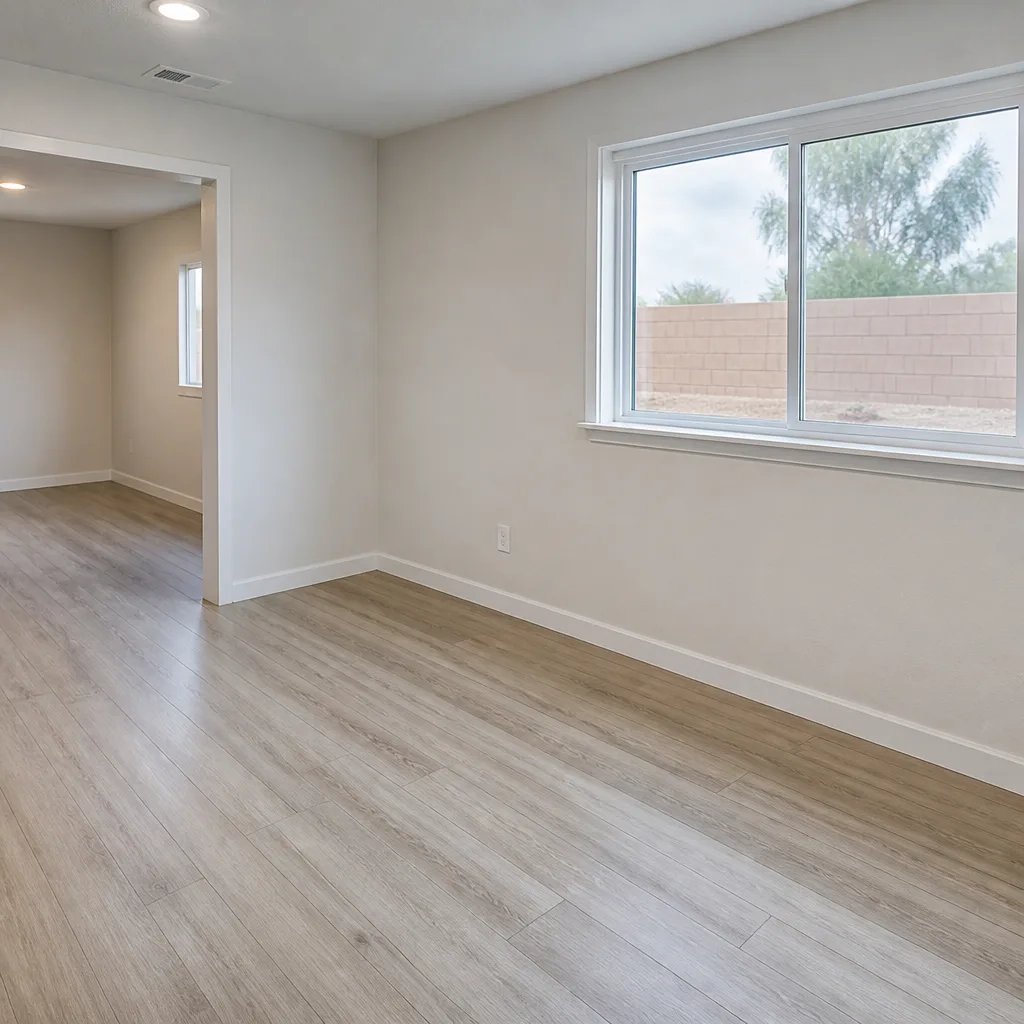 After
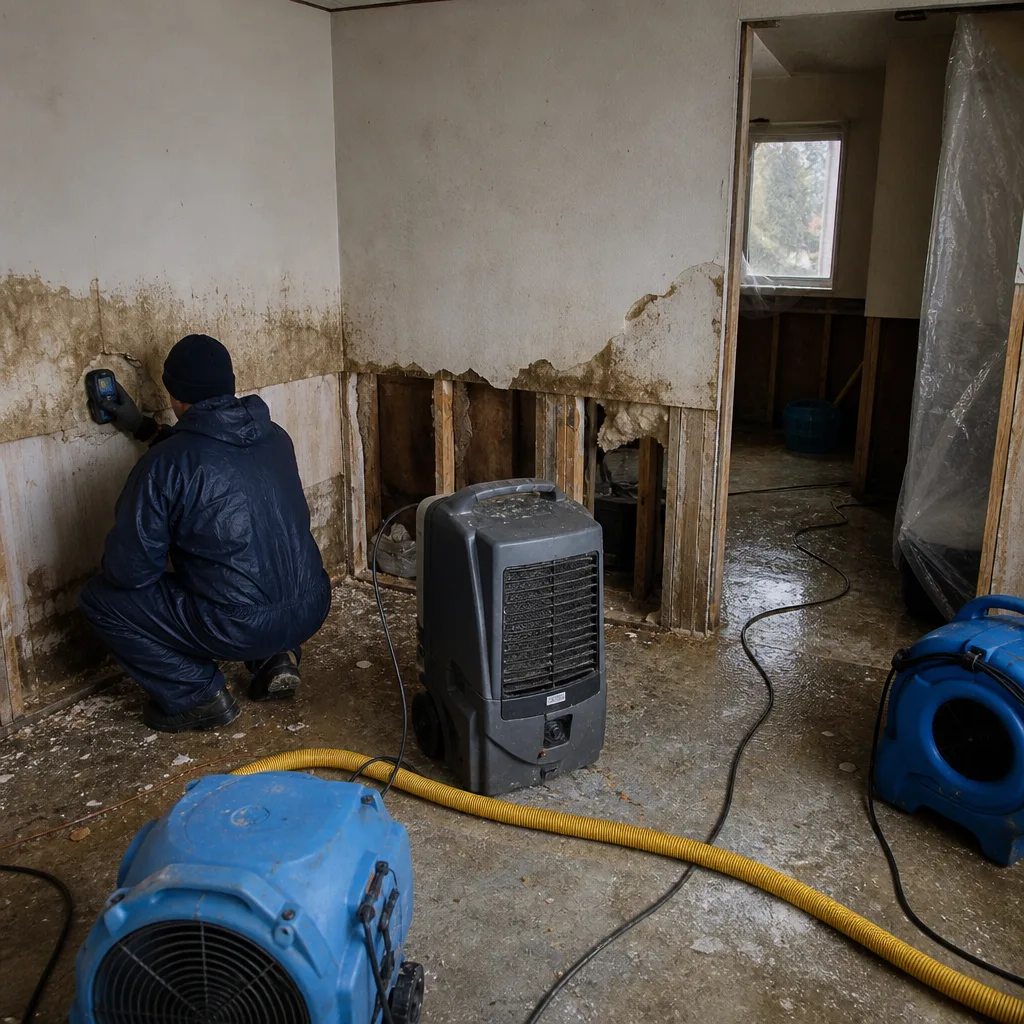 Before
 After
 Before
 After
Pricing for Mold Remediation in San Antonio Heights, CA
Here’s what we tell homeowners who call us from San Antonio Heights. A targeted mold removal in one room runs $1,800 to $3,200. A crawlspace job with sediment removal, antimicrobial treatment, and encapsulation starts around $2,800. A full-home remediation involving multiple rooms, HVAC cleaning, and post-remediation verification runs $4,500 to $6,500 or more depending on square footage. The variables are how much framing is affected, whether we need to pull and replace insulation, and whether containment requires sealing off multiple zones. Estimates are free, and we put the scope in writing before any work starts. Call (855) 382-0478.
How San Antonio Heights’s Geography Changes the Mold Equation
San Antonio Heights sits on an alluvial fan below the 2003 Grand Prix Fire burn scar. That’s not a real estate description. It means every heavy rain has the potential to push sediment-laden runoff down the canyons above the community, and every Santa Ana wind event can drive embers into vents and eaves. The fire and flood risks compound each other. Charred vent screens let water in. Sediment traps that water against wood. The wood wicks it into insulation. Mold follows.
What this means for remediation is that we treat San Antonio Heights homes as having dual exposure. A mold problem in a bathroom might trace to a roof leak, or it might trace to a wall cavity that took ember damage during the last fire season and has been holding moisture ever since. Neighboring cities do not have this burn-scar and alluvial fan combination, and crews that don’t know to look for it will miss the real source.
After a January storm sent a debris flow down a canyon above San Antonio Heights, we were called to a 1962 ranch on Ridgecrest Drive where muddy runoff had flooded the crawlspace and soaked the original oak subfloor. Our crew extracted the category 3 water, set up containment with Dri-Eaz dehumidifiers and XPOWER air movers, and applied antimicrobial treatment to the exposed framing. Moisture mapping revealed elevated readings in wall cavities where ember intrusion from the previous fall’s wildfire had charred vent screens, letting moisture wick into old cellulose insulation. We completed structural drying, documented the drying logs, removed the compromised insulation, and installed ember-rated vent screens before closing up.
We Also Serve Cities Near San Antonio Heights
Our San Antonio Heights service area extends to Upland, Claremont, Rancho Cucamonga, and Montclair. If you’re near the foothills and dealing with mold, water damage, or fire-related restoration, we’re already working in your area. Same certified team, same documentation standards, same no-handoff approach.
Serving San Antonio Heights, CA — Our Local Coverage Area
We’re based in the San Antonio Heights area and know this community well. Use the map below to see our service coverage — if you’re nearby, we can almost certainly help.
FAQs About Mold Remediation in San Antonio Heights
The burn scar above San Antonio Heights means every heavy rain can send debris-laden runoff down the canyons, and that runoff carries fine sediment that holds moisture against foundations and crawlspace framing for months. That sustained moisture extends the mold growth window well beyond the storm itself, so remediation here has to account for sediment extraction and deep structural drying, not just surface cleanup. Call (855) 382-0478 if you’ve had runoff around your foundation and want us to check for hidden moisture.
Yes. Wind-driven embers can pass through standard mesh vent screens, smolder inside wall cavities or attic spaces, and create concentrated moisture pockets that never show up as a visible leak. By the time you see mold staining on drywall, the cavity behind it has often been wet for months. We inspect for charred vent screens and ember-damaged framing on every mold job in the 91784 ZIP.
Mold can begin colonizing wet organic materials within 48 to 72 hours. But after a debris-flow flood, the bigger risk is delayed growth, because sediment holds moisture against wood for weeks or months after the surface looks dry. That’s why we recommend a moisture inspection within days of any runoff event that reached your foundation or crawlspace.
Yes, on every job. Older homes in San Antonio Heights often have plaster walls and original vent systems that move air between rooms fast. We set up containment barriers and negative air pressure so spores don’t spread during removal, and we use professional-grade XPOWER and Dri-Eaz equipment to dry the structure properly. You get a written scope and drying log, not a promise that it’s done.
The first step is removing the sediment, because you cannot dry what you cannot reach. After extraction, we map moisture across the subfloor and framing, treat exposed wood with antimicrobial protocols, and run dehumidification until the readings hit IICRC drying standards. Then we address the entry points, usually by replacing damaged vent screens with ember-rated ones and improving drainage at the foundation line.
If you’re dealing with mold in San Antonio Heights, call Whitfield Water Damage at (855) 382-0478. We’ll ask about your home’s age, where the moisture came from, and what you’re seeing. Then we’ll give you a straight answer and a free estimate.
Written by Nolan Pruett, Owner at Whitfield Water Damage, serving San Antonio Heights and the surrounding foothill communities.