

 Water damage drying
 Fire & smoke cleanup
 Mold remediation
 Storm response
 Sewage cleanup
 Reconstruction
Free visual inspection and a written scope of work before any mitigation begins - photos, moisture readings, and drying logs go in your claim file
The scope we write is the scope we bill. Anything new gets shown to you, in writing, before we touch it.
Get your free estimateFast, Reliable Water Damage Restoration Across Corona
Water damage in Corona rarely announces itself politely. A supply line lets go at 2 a.m., a water heater gives out mid-shower, or the first real rain of winter finds the one weak spot in your tile roof. Whatever the source, you need someone who knows Corona’s stucco-and-tile construction, who understands that hidden moisture here behaves differently than in a wood-frame coastal home, and who can get to your street fast. Our Water Damage Restoration team serves all four Corona ZIP codes and the foothill communities along the 91 and 15 corridors. Call (855) 382-0478 and we’ll have a certified technician dispatched to your neighborhood, not someone from two counties over.
Why Whitfield Water Damage Is Corona’s Preferred Water Damage Restoration Company
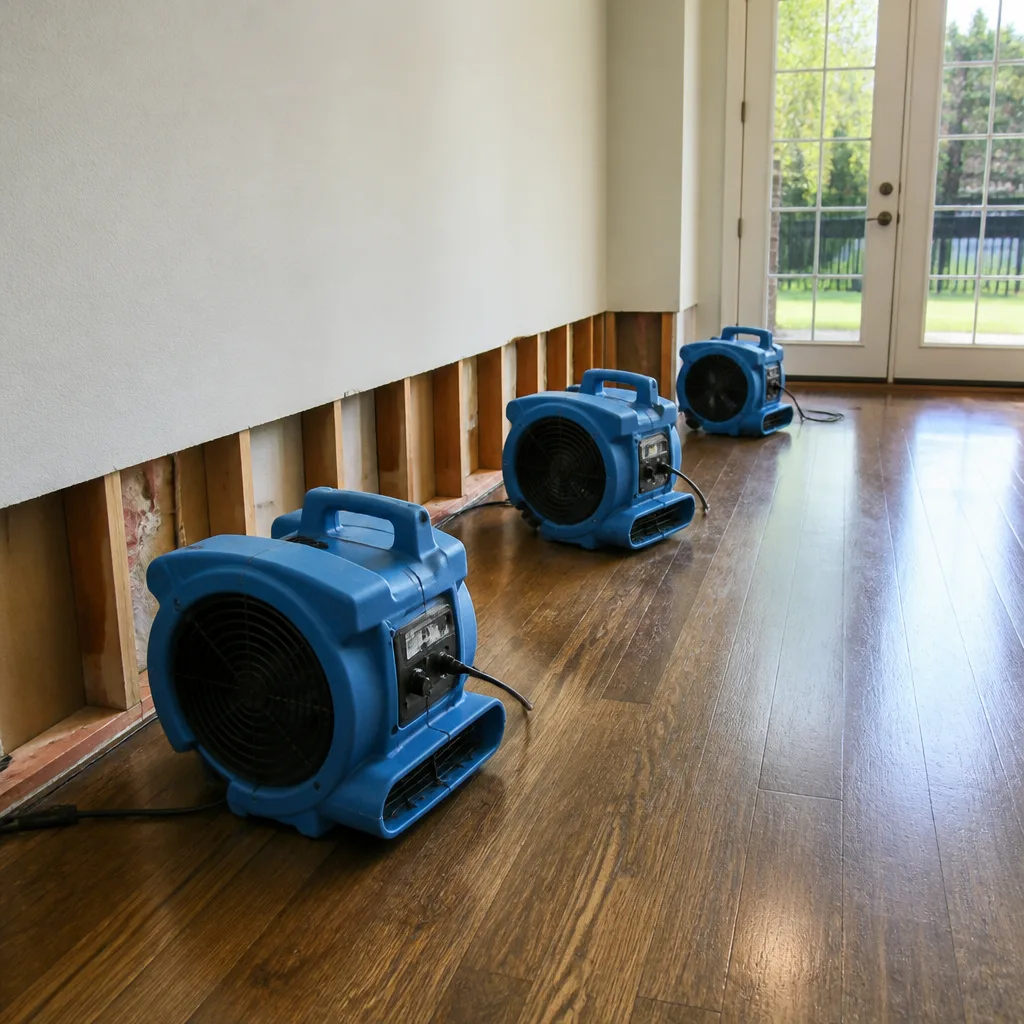
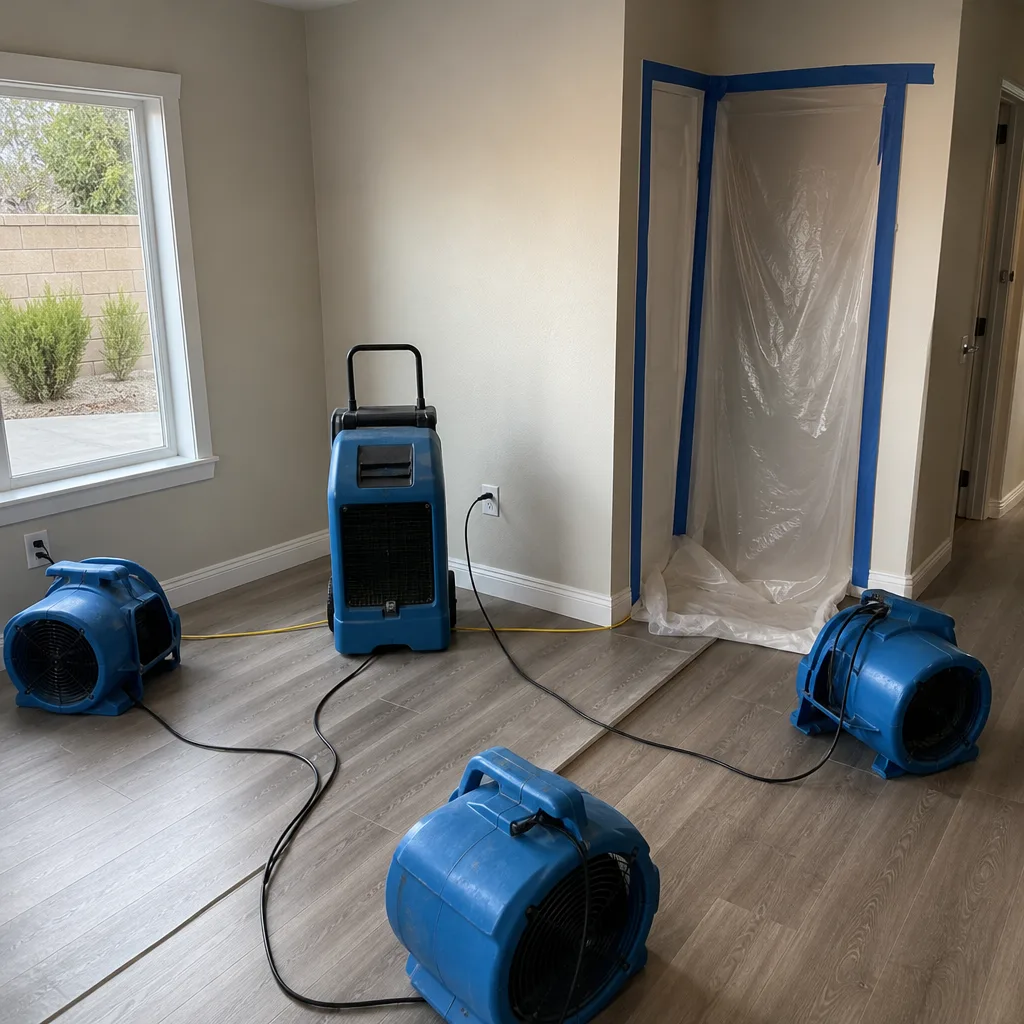
Corona homeowners keep our number saved because we show up prepared. We work under IICRC-certified drying protocols, which means every job follows a science-based process, not a guy with a shop vac and a guess. That matters here especially. The mix of construction eras in Corona means a flatwork approach fails. Stucco, tile roofs, and slab-on-grade foundations hide water in ways that confound generalists. We use moisture mapping and thermal imaging to find what’s actually wet, then deploy professional-grade equipment, including Dri-Eaz and Phoenix air movers and dehumidifiers, to dry the structure, not just the surface.
Nolan Pruett, who runs our operations, built the Corona response plan around one reality: foothill homes and downtown-era homes fail differently. We keep that local knowledge in our dispatch notes, so the technician who arrives at your door already knows whether to expect a 1960s single-story off Main Street or a 2005 two-story in Eagle Glen. That’s the advantage of working with a team that treats Corona as home turf, not a market on a list.
Restoration work we handle
Flood Damage Restoration in Corona
Flood Damage Restoration in Corona has two faces. The first is the obvious one: rare but intense winter rain events overwhelm drains, find stucco cracks, and push mud and water across slab floors in the 92879 and 92882 corridors. The second is sneaker: a Santa Ana event carries embers and ash into foothill neighborhoods, then the first rain hits, and homeowners discover their attic vents and soffits have been quietly letting water find the same paths the smoke did weeks earlier. Both scenarios require extraction, containment, and structural drying, and both are jobs we handle end to end.
Rapid Extraction and Containment
Standing water in Corona shouldn’t wait. Our technicians arrive with truck-mounted and portable extraction units sized for tight clearances and two-story homes alike. We set up containment before demolition begins, so whatever we cut out doesn’t spread through the rest of the house.
Structural Drying for Corona’s Construction
Slab-on-grade homes hide moisture in wall cavities longer than anyone expects. Our Injectidry systems dry inside walls and under flooring without unnecessary tear-out, which saves homeowners money and keeps reconstruction timelines shorter.
Water Damage Cleanup in Corona
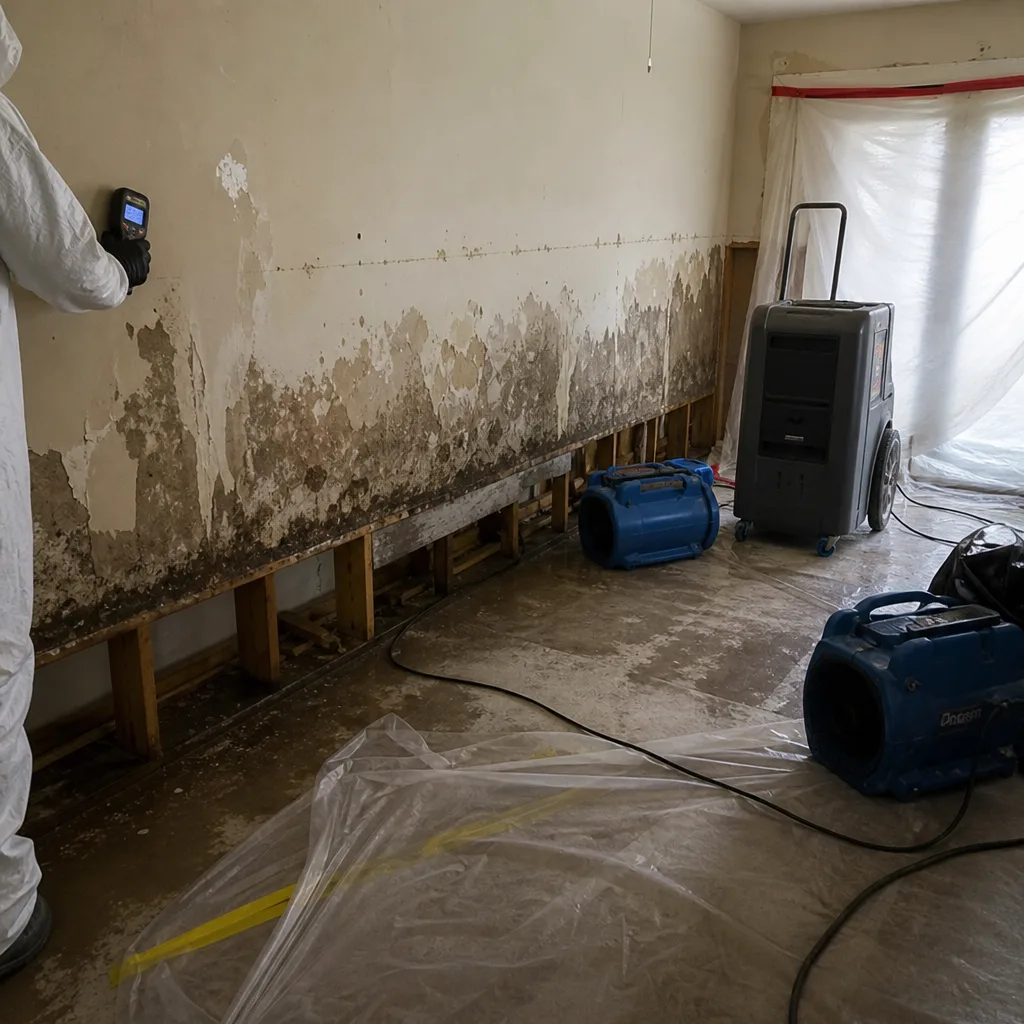
Water Damage Cleanup in Corona means more than mopping and running a fan. The dry heat here fools homeowners into thinking everything’s fine when hidden cavities are actually ripening. You touch a wall two weeks after a leak, and it feels bone-dry on the surface. Meanwhile, behind that stucco exterior or under that tile, moisture sits at 80% relative humidity. Our cleanup protocol includes moisture mapping every affected room, establishing a dry standard, and documenting daily readings until the numbers prove the structure is dry, not just the air in the room.
HVAC and Attic Attention
After a Santa Ana event, fine ash pushes through soffit vents and door weatherstripping in the 92881 and 92883 foothill ZIPs. We inspect attic insulation and HVAC ductwork as part of water cleanup, because that residue traps moisture and carries an odor that reads like water damage even when the actual water source was a roof leak.
Antimicrobial Application
Once extraction and drying are complete, we apply antimicrobial treatments to all affected surfaces. This step matters more in Corona than in coastal cities because the semiarid climate, combined with slab-adjacent cavity moisture, creates exactly the temperature-and-humidity profile mold needs to colonize a wall cavity in 24 to 48 hours.
Trusted Brands We Service in Corona
We stock and maintain restoration equipment from Dri-Eaz, Phoenix, and XPOWER, the same brands insurance-preferred contractors run nationwide. If you own a rental property in the Home Gardens area or manage units near Dos Lagos, you get equipment that’s already calibrated and ready. Our relationship with these manufacturers means replacement parts and service support cycle faster for Corona customers, so your drying timeline doesn’t stall while someone waits on a backordered fan. We also service our own fleet regularly, so the unit we bring to your home performs like it should.

Common Water Damage Restoration Problems We See in Corona Homes
- Water migrating behind stucco exteriors. Cracks around window penetrations and roof-to-wall transitions let water in during rain events. It travels down the wall cavity and collects near the slab, where it stays hidden until drywall or baseboards start to stain.
- Tile roof leaks at valleys and flashings. Tile roofs in Corona’s 1990s-2000s tracts are durable, but a cracked tile over a valley can channel water into the attic for months before it shows on the ceiling. We map the moisture and trace it back to the actual entry point.
- Slab-on-grade wall cavity saturation. Water that reaches the base of an exterior wall has nowhere to drain. Without targeted injection drying, that cavity stays wet and grows mold inside the wall, even after the room itself feels dry.
- Post-Santa Ana HVAC contamination. Ash and smoke residue drawn through soffit vents absorbs moisture and creates a damp, sour smell throughout the house. We inspect the attic and ductwork whenever a water loss follows a wind event, because the two are often connected.
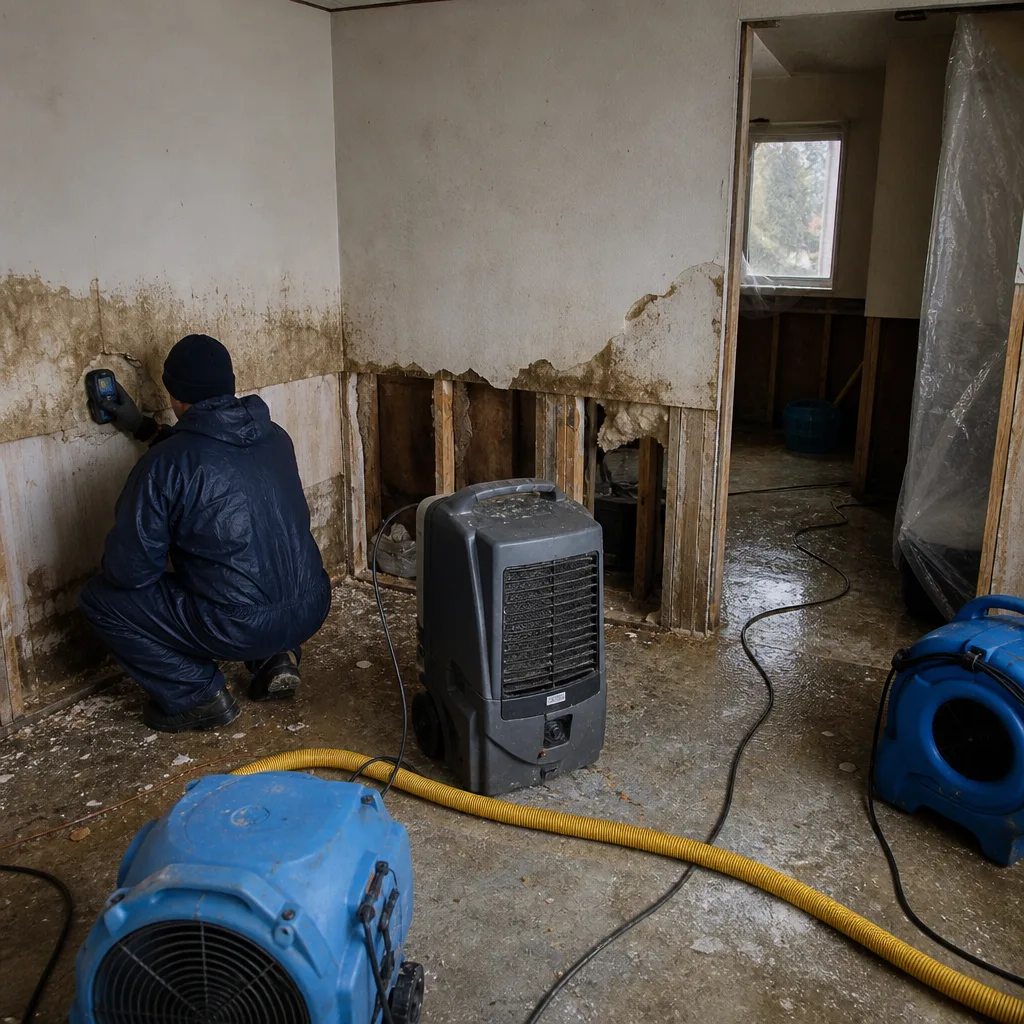
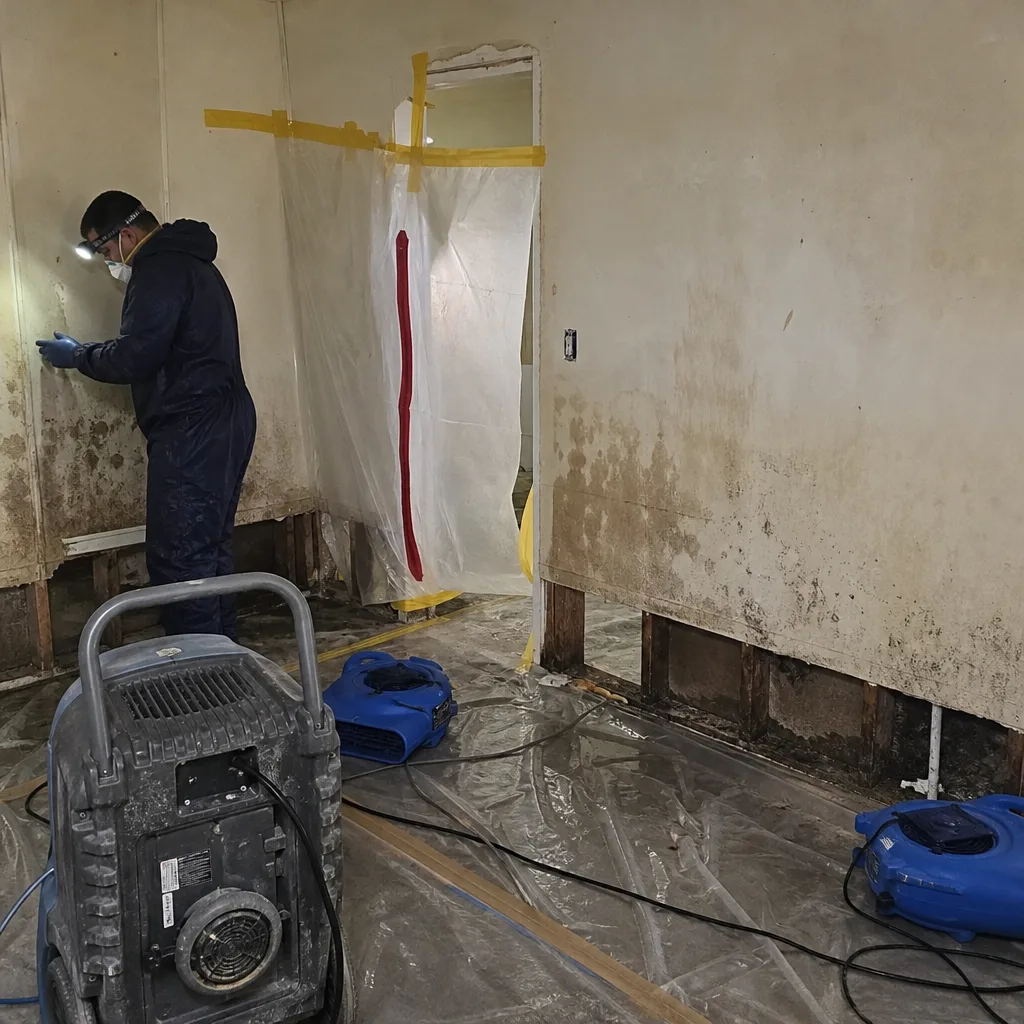
See the difference
 Before
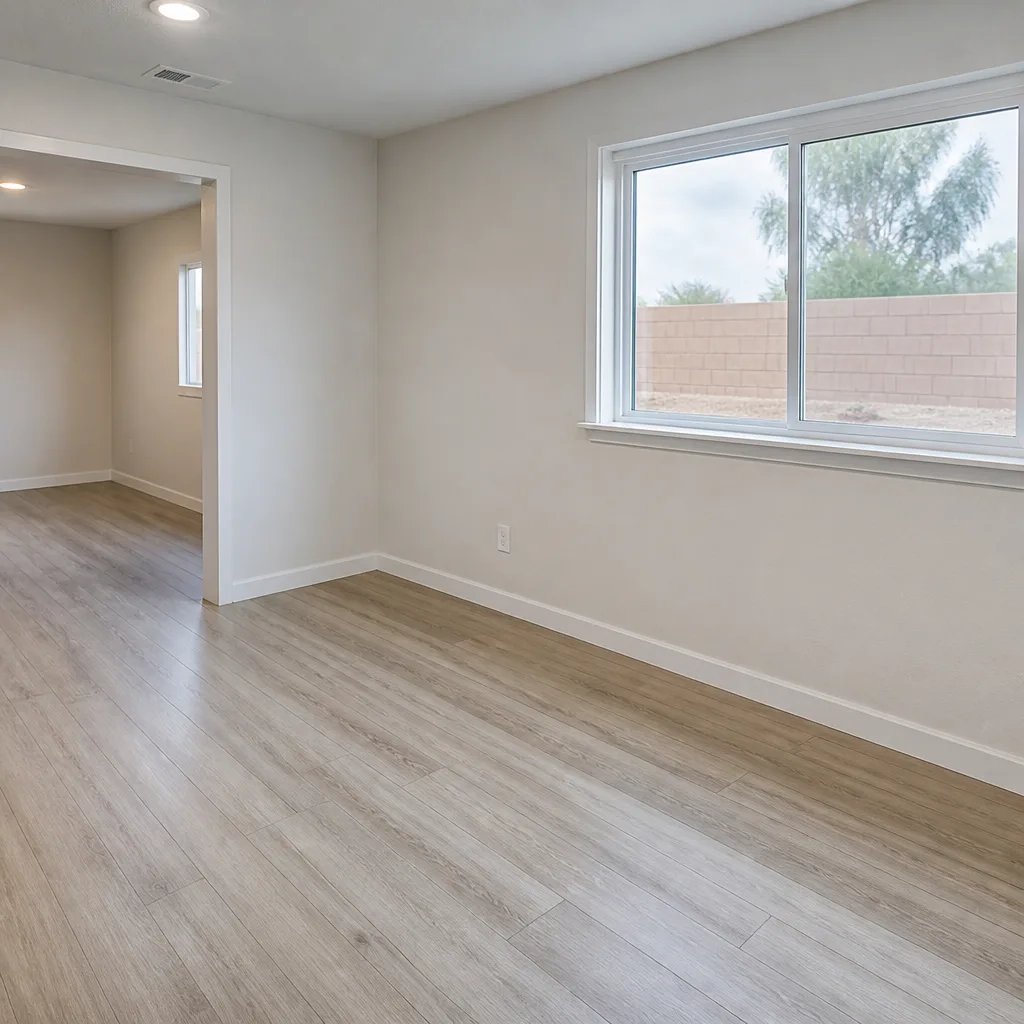 After
 Before
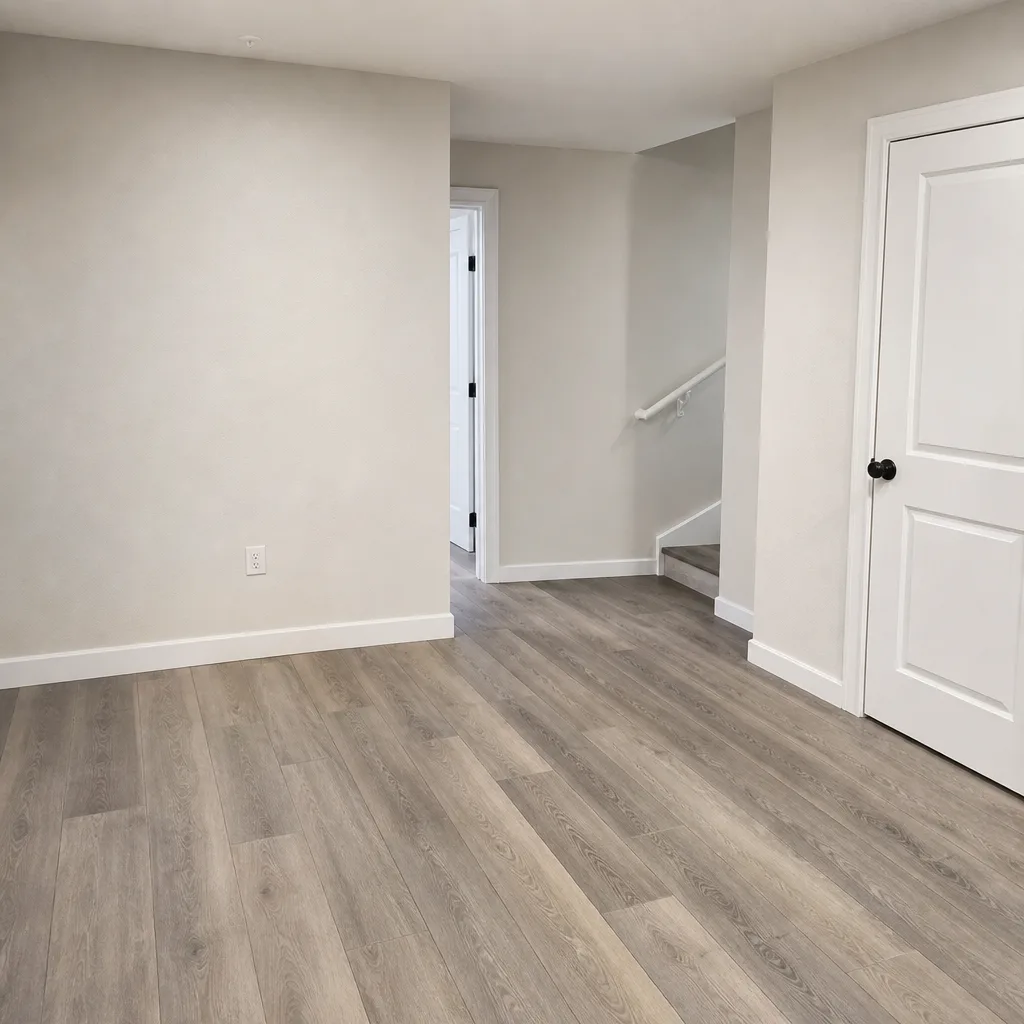 After
 Before
 After
Pricing for Water Damage Restoration in Corona, CA
Water damage restoration pricing in Corona varies by scope, but you should expect to pay between $1,800 and $4,500 for a typical Category 2 or 3 water loss in a single room or hallway, including extraction, containment, drying, and antimicrobial treatment. A whole-home flood event where water migrates into multiple wall cavities and under flooring typically falls between $6,000 and $15,000 depending on affected square footage and whether Injectidry drying can avoid full tear-out. Smaller jobs like a burst pipe in an accessible wall often land between $900 and $1,600 when drying is straightforward.
What drives cost in Corona specifically: slab-on-grade construction requires more cavity drying than crawlspace homes; two-story layouts add equipment staging complexity; and post-wind HVAC deodorization is a line item many homes here need but homeowners in other cities rarely see. We provide a written scope before any work starts, and we give free estimates. Call (855) 382-0478 and we’ll give you exact numbers for your situation.
We Also Serve Cities Near Corona
We routinely serve Home Gardens, El Cerrito Corona, Eastvale, and Norco, so our techs know the surrounding grid as well as we know Corona itself. If you own property in the Water Damage Restoration in Corona area or manage units nearby, our dispatch will route the closest available certified technician.
Serving Corona, CA — Our Local Coverage Area
We’re based in the Corona area and know this community well. Use the map below to see our service coverage — if you’re nearby, we can almost certainly help.
FAQs About Water Damage Restoration in Corona
Mold can establish itself in 24 to 48 hours after a water loss in Corona, even during our hottest, driest stretches. The outside air may be bone-dry, but a saturated wall cavity at 90% relative humidity creates perfect conditions regardless of what your thermostat says. This is why we prioritize extraction and targeted drying within the first day, and why we apply antimicrobial treatment to all affected surfaces as part of our standard protocol. If you’ve had water sitting for more than 48 hours, call (855) 382-0478 so we can assess whether remediation is also needed.
Corona’s foothill ZIP codes, 92881 and 92883, carry a second set of contamination risks that flatland cities like Eastvale or Norco rarely face. Santa Ana winds push fine ash, soot, and ember residue through soffit vents, attic penetrations, and even door weatherstripping. When a water loss happens after one of these events, we check the attic and HVAC system for that residue as part of the drying plan. It absorbs moisture, holds odor, and reads like water damage even when the actual water source was a simple roof leak. Cleaning and deodorizing those spaces is a standard step in our Corona foothill jobs.
Yes. Our Injectidry systems dry inside wall cavities, under tile flooring, and behind stucco exteriors without tearing everything apart. We drill small access points and create a pressure differential that moves dry air through the wet space. It’s non-invasive structural drying, and it saves homeowners thousands in demolition and rebuild costs. The catch is that it requires daily moisture readings to verify the drying curve is working. We log those readings and share them with you, so you know exactly when your structure meets the dry standard.
We classify water damage using the IICRC’s three-category system. Category 1 comes from a clean source, like a supply line or sink overflow. Category 2 carries significant contamination, like an overflowing washing machine or a roof leak that has picked up attic insulation and dust. Category 3 is grossly contaminated floodwater or sewage backup. Corona’s post-wind water losses often start as Category 1 but degrade to Category 2 if ash-soaked attic insulation is involved. We document the category at every stage and adjust the drying and antimicrobial plan accordingly.
We provide daily moisture readings, dry-standard comparisons, and photographic documentation for every phase of the job. Insurers and adjusters want to see that the drying protocol was followed to completion, not just that equipment was placed for a few days. Our logs include initial moisture mapping, daily progression readings, and final verification that all affected materials reached the dry standard. If you’re filing a claim, we’ll work directly with your adjuster and submit documentation in the format they need. Call (855) 382-0478 to get the process started, and we’ll walk you through every step.
Contact Whitfield Water Damage in Corona
We’re your neighbors in the Inland Empire, and we treat Corona like the specific, demanding market it is. No generic playbooks, no one-size-fits-all drying plans. What you get is a certified technician who understands stucco, tile, slab foundations, and the seasonal quirks of Santa Ana country. Call (855) 382-0478 for a free estimate, and we’ll send someone who speaks Corona’s language to your home.
Written by Nolan Pruett, Owner at Whitfield Water Damage, serving Corona and the surrounding cities.