


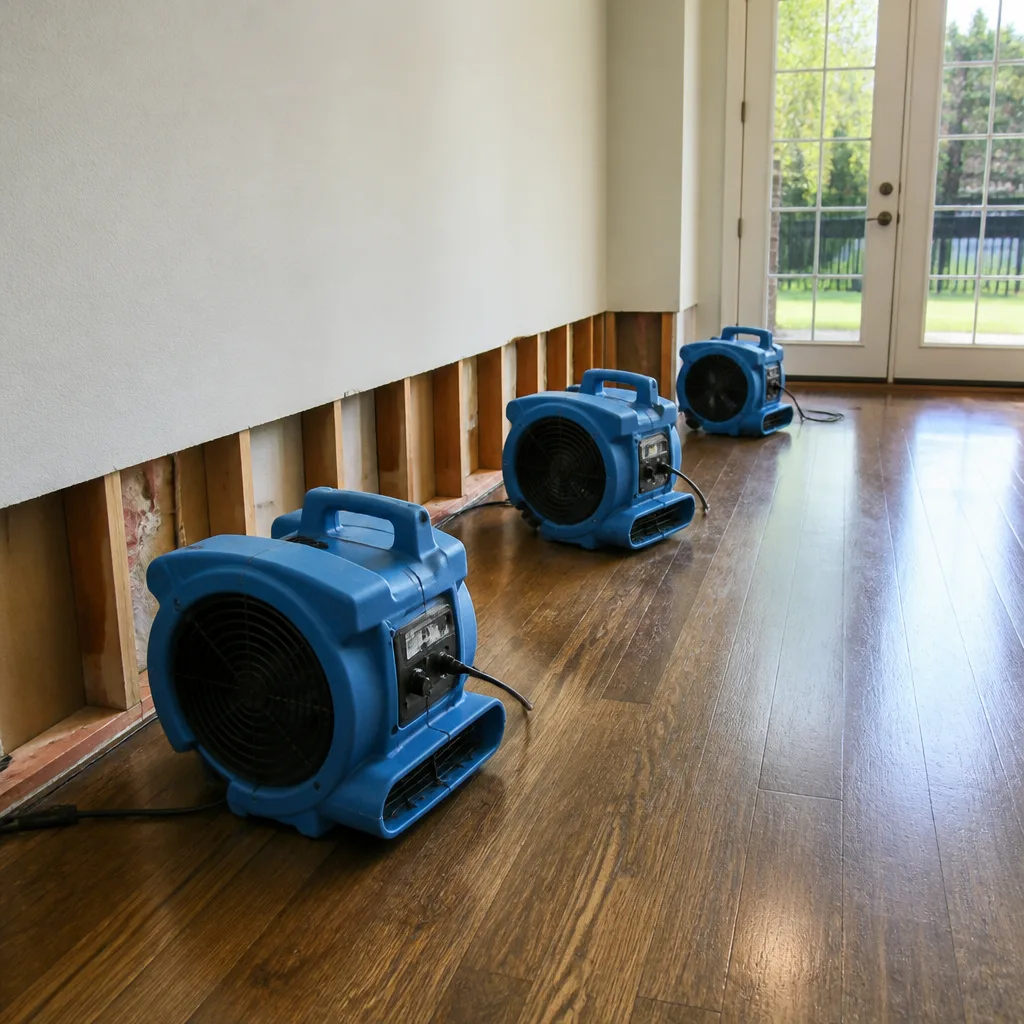
 Water damage drying
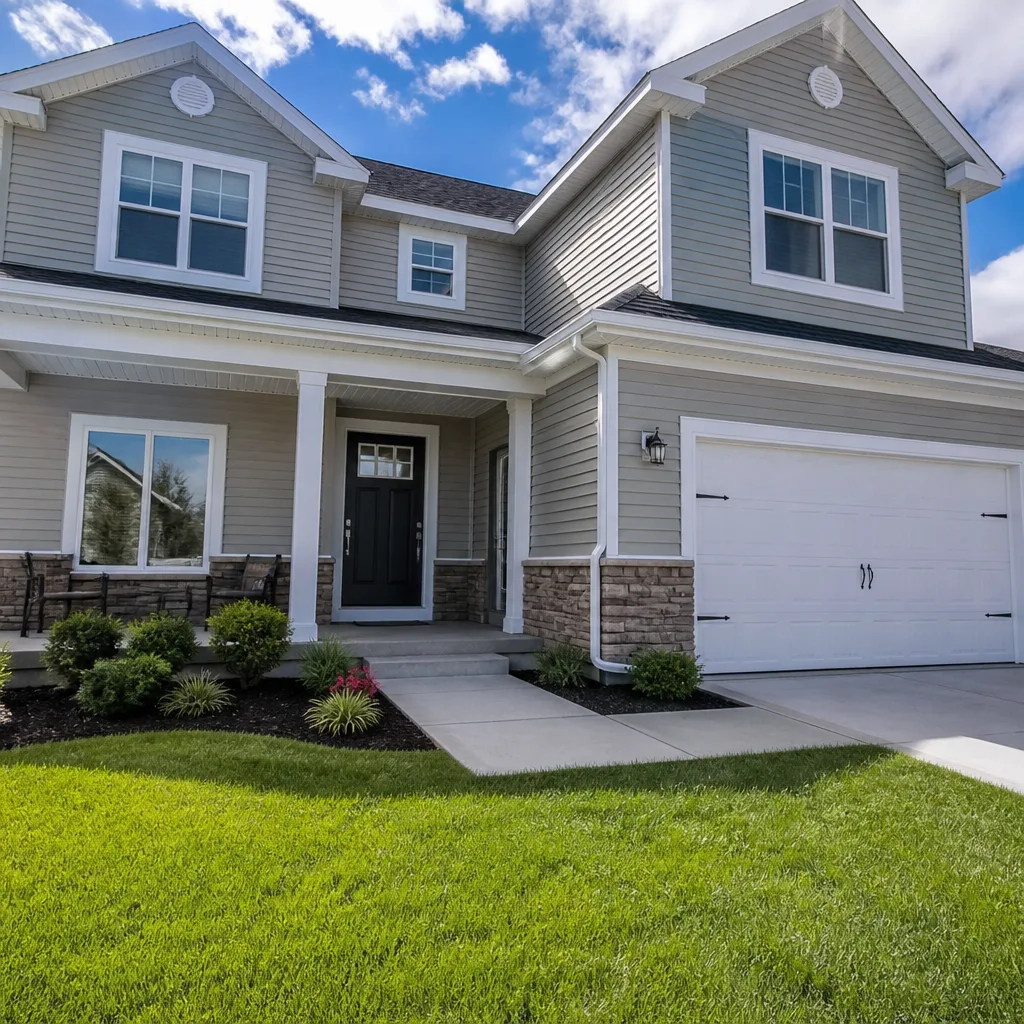 Fire & smoke cleanup
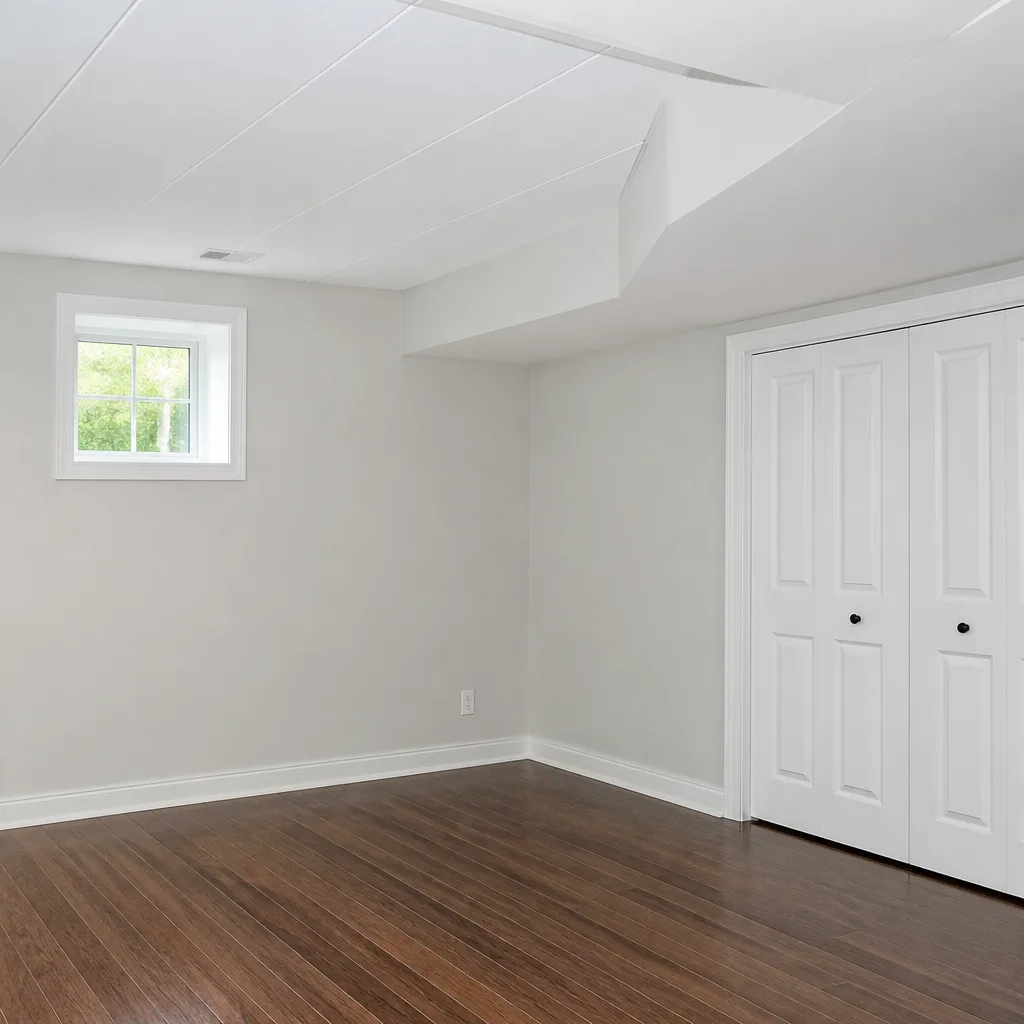 Mold remediation
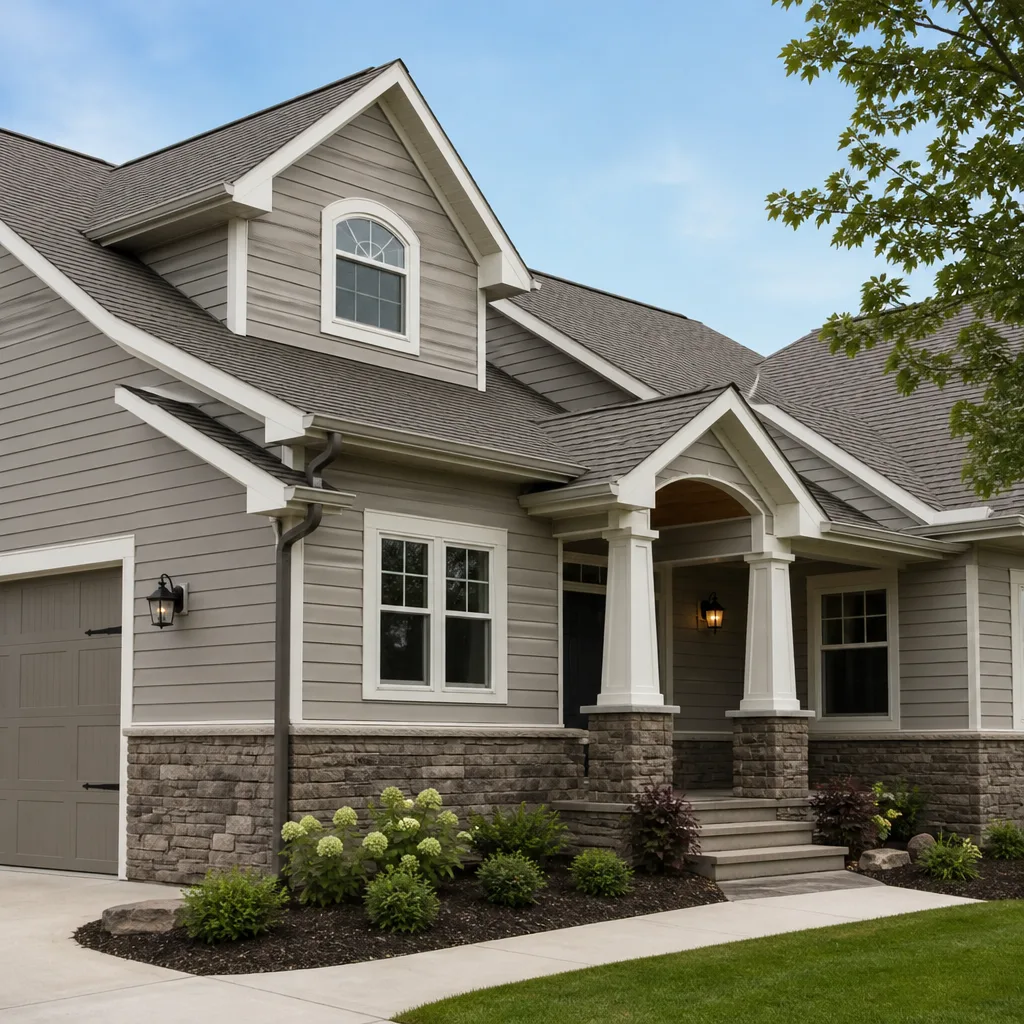 Storm response
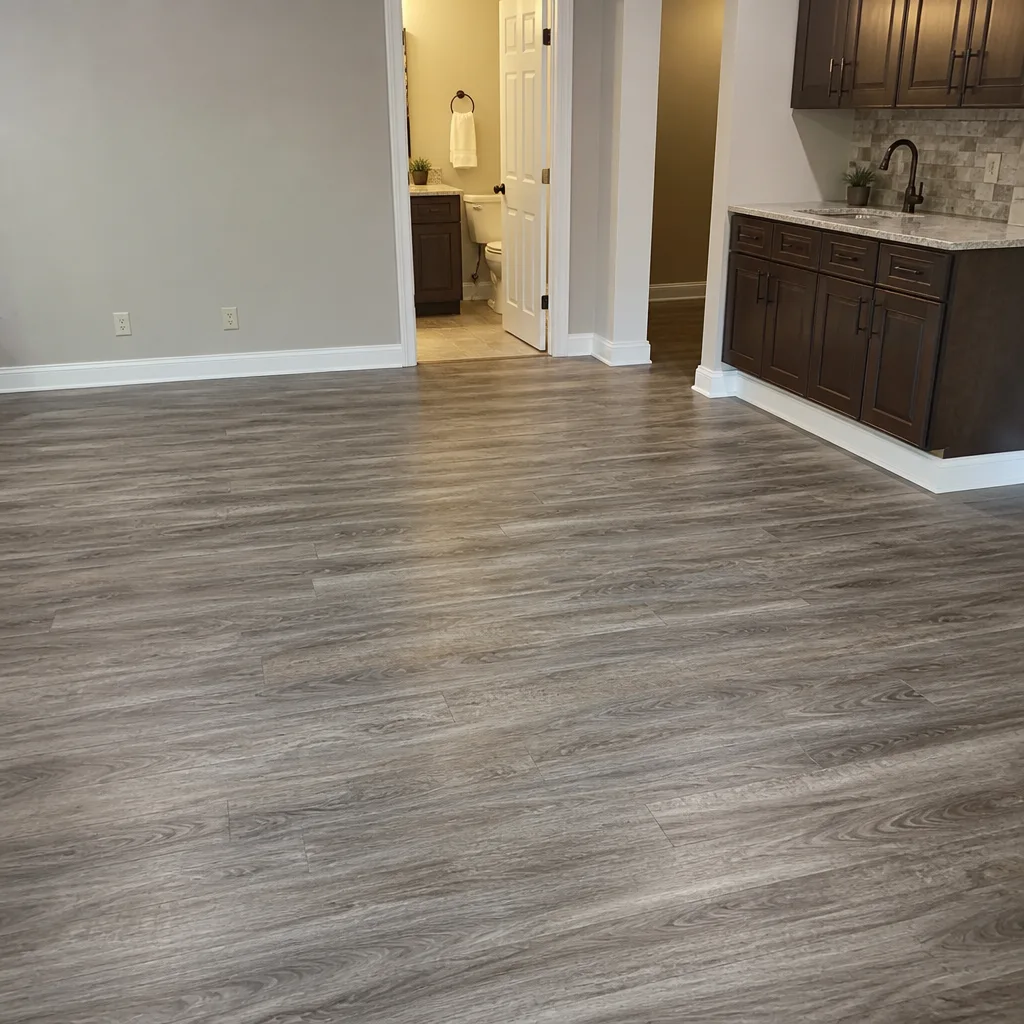 Sewage cleanup
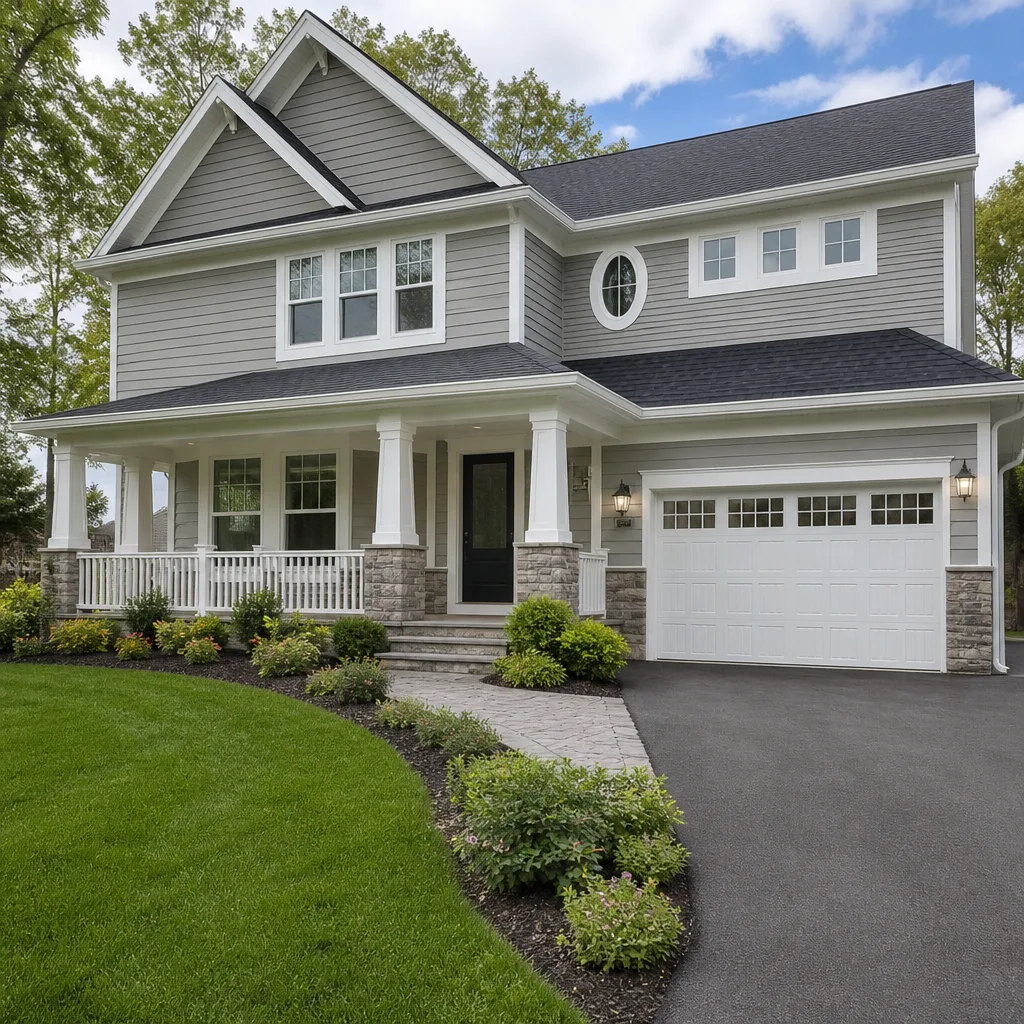 Reconstruction
Free visual inspection and a written scope of work before any mitigation begins - photos, moisture readings, and drying logs go in your claim file
The scope we write is the scope we bill. Anything new gets shown to you, in writing, before we touch it.
Get your free estimateFast, Reliable Water Damage Restoration Across Grand Terrace
Water damage restoration in Grand Terrace typically costs between $1,800 and $4,500 for a standard room affected by a supply line break or roof intrusion, with structural drying of stucco wall cavities running $700 – $1,200 per affected wall when the Injectidry system is required. Most jobs we handle in the 92313 zip code can be assessed the same day you call, with extraction and equipment placement started within hours, not days. Grand Terrace’s bowl geography, pressed between Blue Mountain and the Santa Ana River floodplain, means water doesn’t behave the way it does in flat Inland Empire subdivisions. We know the local failure patterns, from ash-choked roof vents to runoff pooling against slab foundations on the Blue Mountain-facing streets. If water is moving through your walls right now, call (855) 382-0478 and we’ll walk you through the first steps while a crew is dispatched to Grand Terrace.
Why Whitfield Water Damage Is Grand Terrace’s Preferred Water Damage Restoration Company
Grand Terrace homeowners call us because we approach every job with an IICRC-certified drying protocol, not a guess. That means moisture meters, psychrometric readings, and a drying log that documents the building’s return to pre-loss condition. No shortcuts. No “spray and walk away” work. Our position as a member of the Restoration Industry Association (RIA) and IFA means we answer to professional standards beyond a business license. Nolan Pruett built Whitfield Water Damage around the idea that restoration is a science, not a side job, and that conviction shows up in the equipment we run: Dri-Eaz dehumidifiers, Phoenix axial fans, XPOWER blowers, and Injectidry cavity-drying panels that pull moisture from inside wall and floor assemblies without tearing out drywall. When a Grand Terrace ranch home has water wicked up into a shared wall cavity between a living room and an attached garage, we can dry it in place and save the homeowner from a full gut job.
We’re not a franchise crew rushing through a quota of jobs. We’re a professional restoration team that serves Grand Terrace, Colton, Loma Linda, Highgrove, and Rubidoux with the same methodical approach: contain, extract, dry, document, verify. The Water Damage Restoration work we do in Grand Terrace is backed by photo documentation and moisture mapping that insurance adjusters can review without playing phone tag. You’ll get a written scope before equipment goes in, and a final moisture log when the job is done. That’s how claims settle cleanly, and it’s why adjusters who work the Inland Empire tell property owners to call us.
Restoration work we handle
Flood Damage Restoration in Grand Terrace
Flood damage restoration in Grand Terrace is a specialized response to water that arrives from outside the building envelope, whether it’s runoff from a burn-scarred slope, an overwhelmed storm drain on Barton Road, or sheet flow moving down from Blue Mountain after a winter storm. Unlike a clean supply line break, floodwater here in 92313 is almost always Category 2 or Category 3 contaminated, carrying ash, soil, and whatever it picked up crossing a driveway or a patio. The first 48 hours matter more than most homeowners realize. Water that sits against a slab foundation on Mount Vernon Avenue doesn’t stay there; it wicks upward through the sill plate and into stucco wall cavities, and once it reaches drywall, drying time and cost both climb. A flooded ground-level room in Grand Terrace typically costs $1,200 – $2,400 to extract, dry, and sanitize when we get in during the first day. Delay it, and the same room can run $4,000 – $6,500 because drywall removal, baseboard replacement, and antimicrobial treatment all enter the equation.
Slab Foundation Extraction
Homes on Grand Terrace’s lower streets, where the terrain flattens toward the Santa Ana River, are prone to water pooling against the slab during heavy winter rain. We extract the standing water, then check the moisture content of the slab perimeter with penetrating meters. Slab water that looks minor from the surface often means the bottom six inches of drywall and the wall baseplates are wet, and that’s where hidden mold takes hold in a warm Inland Empire spring.
Burn-Scar Runoff Response
After a Blue Mountain fire season, the first big rain doesn’t sink into the slopes. It sheets down toward the homes on Pico Street and Mount Vernon Avenue carrying ash, debris, and fine sediment that clogs drains and pushes water places it wouldn’t normally go. This is a mudflow and contaminated water intrusion scenario, not a clean leak. We treat it that way from the first assessment: extract, contain the affected area, remove saturated materials that can’t be dried, and run the IICRC-certified drying protocol until moisture readings stabilize.
Water Damage Cleanup in Grand Terrace
Water damage cleanup in Grand Terrace is what a homeowner needs after the emergency stops being an emergency, but before the full restoration is finished. It’s the extract-and-stabilize phase: standing water removed, saturated carpet and pad cut out, affected drywall cut back to clean edges, and professional-grade air movers and dehumidifiers placed to start pulling moisture from the structure. A standard kitchen or hallway cleanup in Grand Terrace, where a supply line broke and water sat for less than a few hours, runs $900 – $1,800. Cleanups that involve multiple rooms, affected cabinetry, or water in a wall cavity between the interior and an attached garage run higher, usually $2,200 – $4,000, because the cavity needs Injectidry panels or targeted demolition to dry properly. We don’t dry the visible floor and call it done. That’s how mold starts in a Grand Terrace summer, when ambient humidity slows evaporation and hidden moisture stays hidden.
Category 2 and Category 3 Cleanup
Grand Terrace homes with a slab leak that sat over a weekend, or runoff that pushed through a garage door, are dealing with Category 2 or 3 water. That changes the cleanup protocol: affected porous materials come out, antimicrobial treatment goes in, and the drying target is verified with moisture meters, not a visual check. We document every step for your insurer, which means the claim file shows what was removed, why, and what the moisture readings looked like when equipment came out.
Ceiling and Roof Leak Response
Roof leaks in Grand Terrace ranch homes often start small: a lifted shingle on a Blue Mountain-facing slope, a valley flashing that failed under wind, or a vent boot cracked by a hot, dry summer. The water that drips through a ceiling is only the visible part. We cut back the wet drywall, inspect the cavity for hidden spread, and dry the rafter bay and insulation area before anything is patched. If ash from a canyon fire settled into that roof vent first, the cleanup includes smoke particulate removal, not just water extraction.

Trusted Equipment and Professional Standards in Grand Terrace
We run the same equipment brands major insurance-preferred restoration contractors rely on, because Grand Terrace homes deserve professional-grade drying, not rental-shop gear. Dri-Eaz dehumidifiers handle the heavy moisture loads that build up inside a sealed room, Phoenix axial fans move air across wet surfaces at a volume that actually matters, and Injectidry panels let us dry inside wall and floor cavities without demolishing every wet wall. For Grand Terrace customers, that last part matters: mid-century ranches with attached garages frequently share a wall cavity between a finished living space and an unconditioned garage, and non-invasive structural drying saves thousands in rebuild costs when water finds its way in there. Our association with the Restoration Industry Association and IFA means we’re accountable to industry peers, not just to whoever wants a quick check. Nolan Pruett runs Whitfield Water Damage with a simple rule: if it can’t be documented, it didn’t happen. Moisture logs, photo records, equipment placement maps. That’s how a professional restoration file looks, and it’s what we hand to Grand Terrace homeowners and their adjusters.
Common Water Damage Restoration Problems We See in Grand Terrace Homes
- Ash-laden roof vent contamination. After a Blue Mountain canyon fire, Santa Ana winds push fine ash into roof vents and attic insulation across Grand Terrace. The first winter rain wets that ash into a smoky, dirty Category 2 water event that homeowners often misread as a plain roof leak, and the cleanup is different than a standard ceiling dry-out.
- Runoff pooling against slab foundations. Burn-scarred slopes above town don’t absorb rain the way vegetated hillsides do. Water sheets down toward Pico Street, Mount Vernon Avenue, and the lower-lying streets near the Santa Ana River floodplain, where it pools against slab foundations and wicks up into stucco wall cavities before anyone sees damage inside.
- Shared wall cavities with attached garages. Mid-century Grand Terrace ranch homes were built with attached garages sharing a wall with finished living space. Water in the garage travels straight into that wall cavity, so drying only the visible wet area in the living room leaves hidden moisture that turns into mold in the first warm Inland Empire spring.
- Stucco hiding slow leaks. Stucco exteriors can hide a failing window flashing or roof leak for months. By the time water shows up as a ceiling stain or a bubbling wall in a Grand Terrace home, the damage inside the wall cavity is weeks old and structural drying is starting late, which extends equipment time and costs.
See the difference
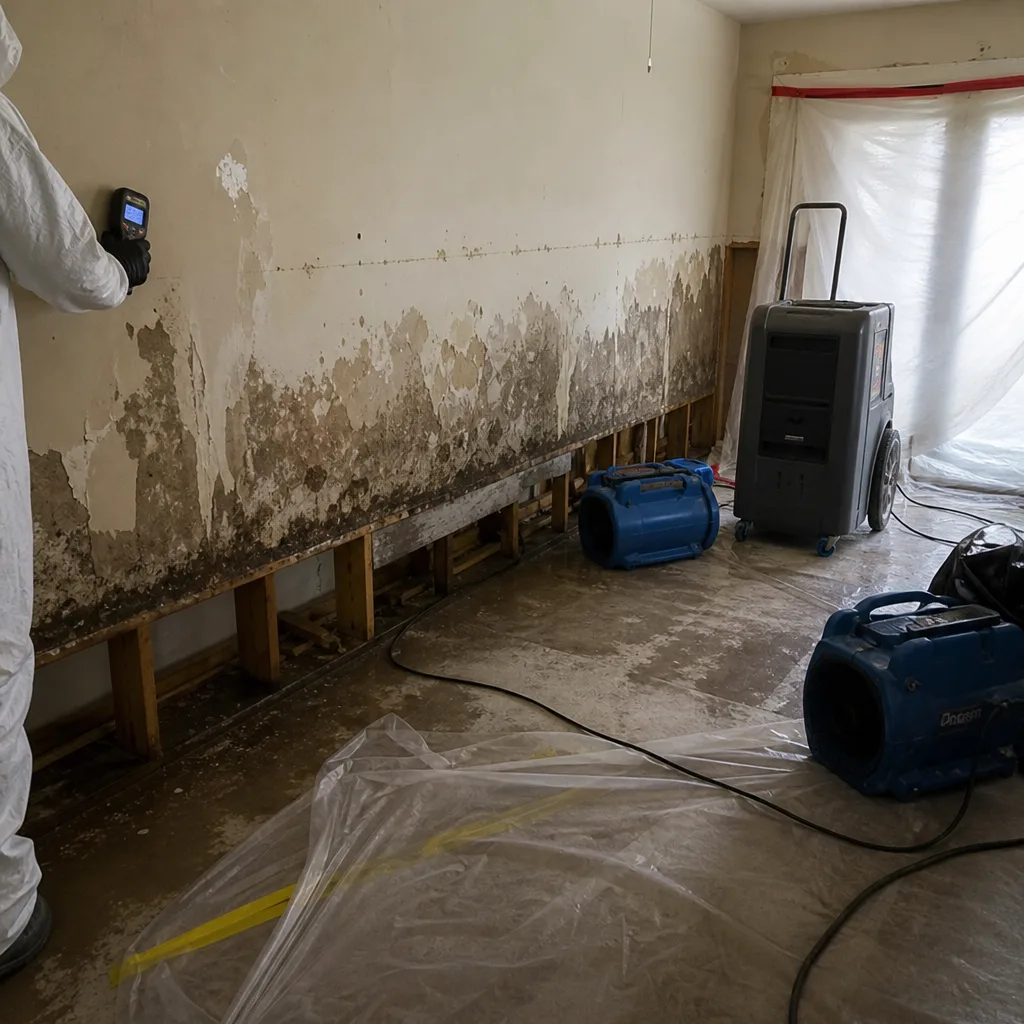 Before
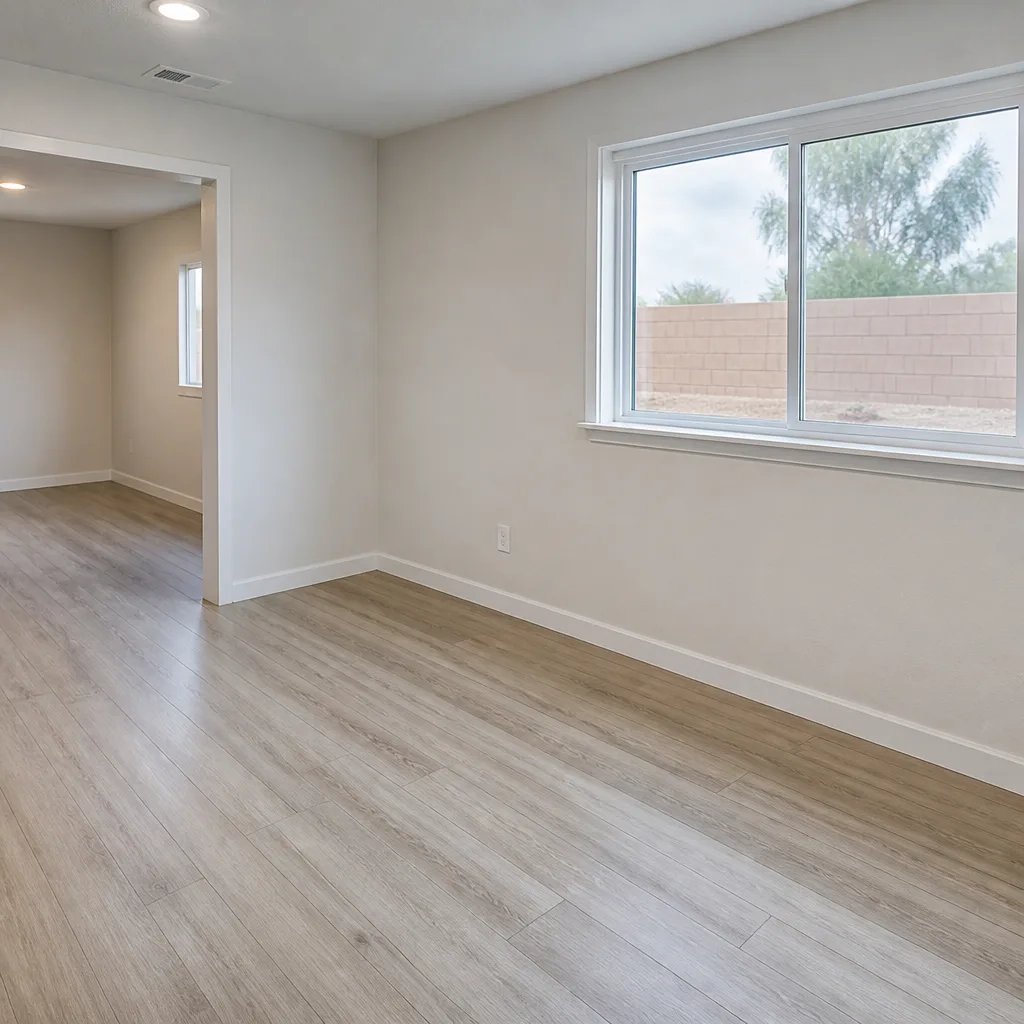 After
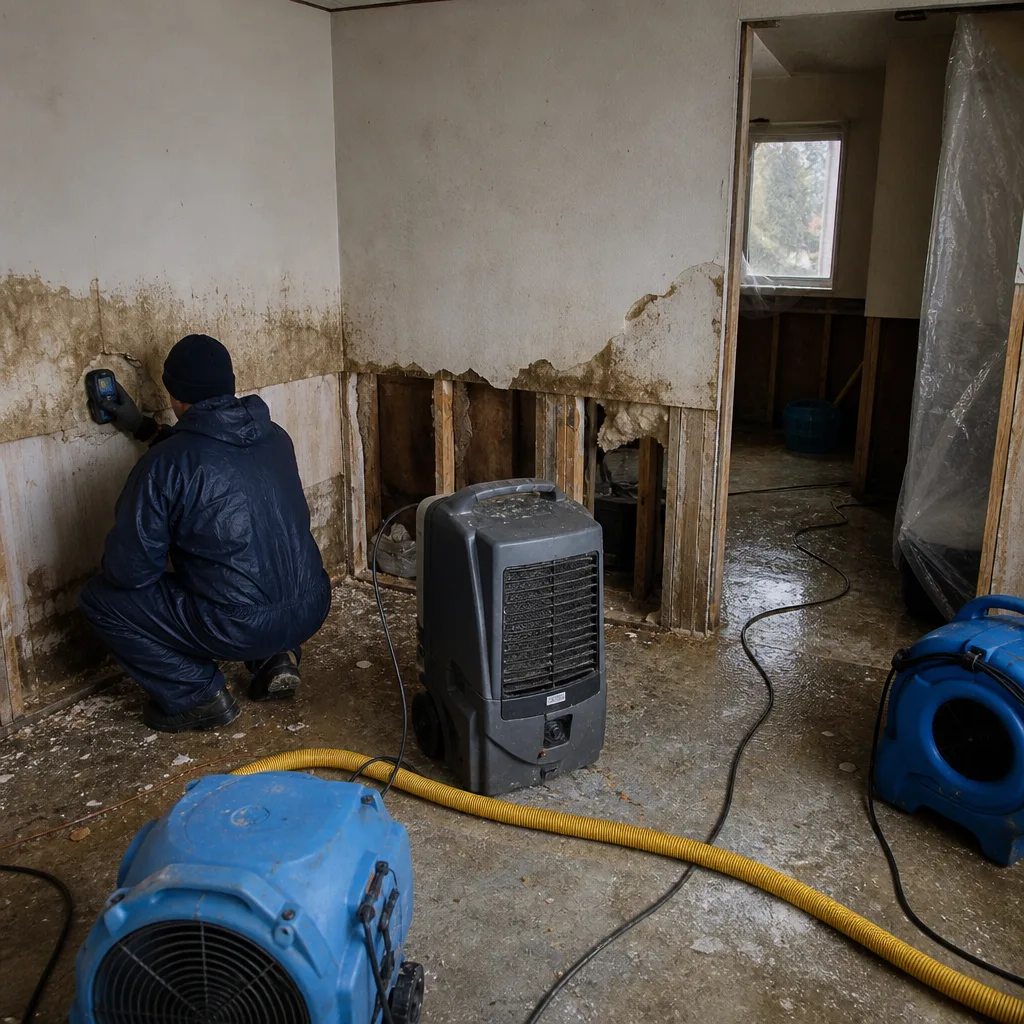 Before
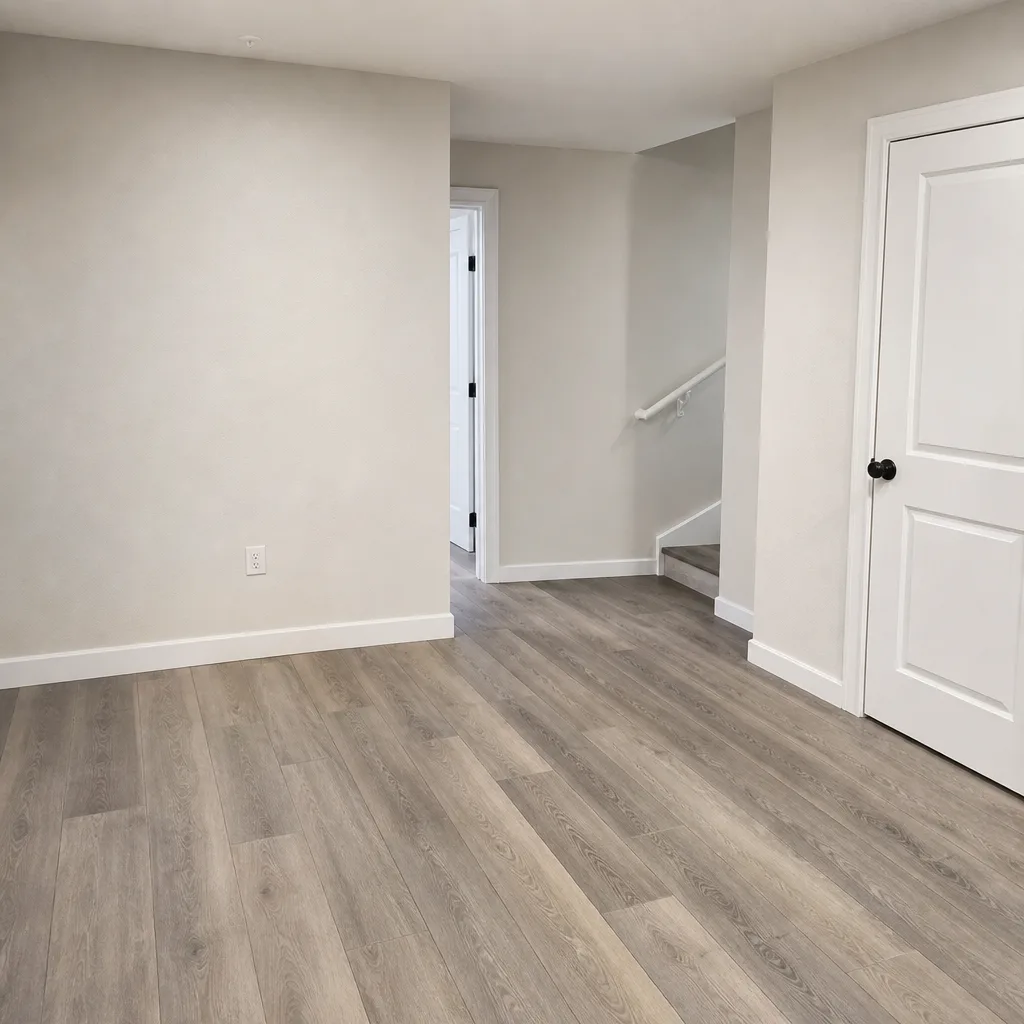 After
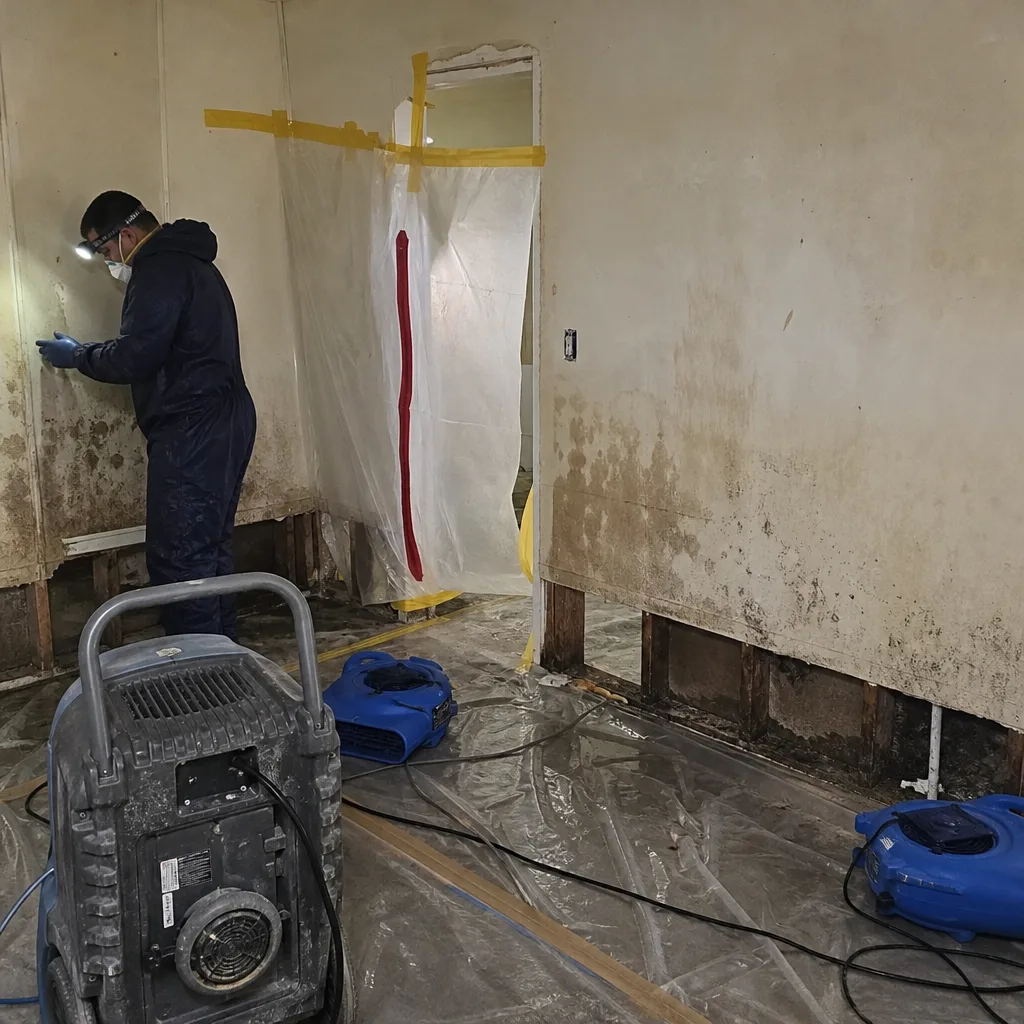 Before
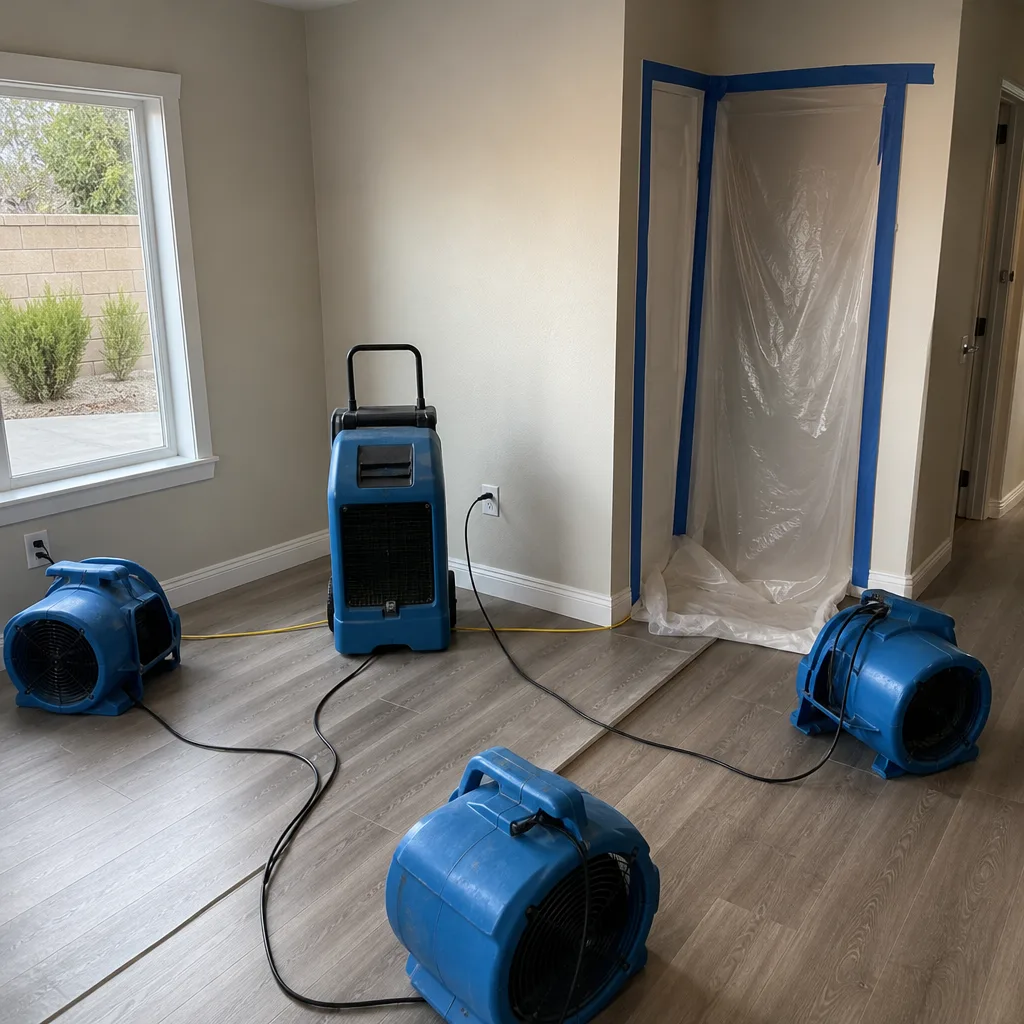 After
Pricing for Water Damage Restoration in Grand Terrace, CA
Grand Terrace pricing falls into a few clear bands. Emergency water extraction and initial cleanup of a single affected room runs $900 – $1,800. A full structural drying setup with containment, Dri-Eaz dehumidifiers, Phoenix air movers, and monitoring across two or three rooms typically lands between $2,400 and $4,500. When Injectidry panels are needed to dry wall cavities or subfloor spaces without demolition, add $700 – $1,200 per affected wall or floor section. Flood damage restoration involving Category 2 or 3 water, which is common on Grand Terrace’s lower streets after a burn-scar winter, runs $3,500 – $6,500 for a ground-level room because of the contamination and material removal involved. The variables that shift the number are how long the water sat, whether it was clean supply water or contaminated runoff, and how many wall cavities pulled moisture. We provide a written scope before any equipment goes in, and the estimate is free. Call (855) 382-0478 and we’ll give you real numbers for your specific situation.
We Also Serve Cities Near Grand Terrace
Our Grand Terrace service area extends to the surrounding Inland Empire communities we regularly work in, including Highgrove, Colton, Loma Linda, and Rubidoux. If your property sits near the Grand Terrace city line or you manage units across multiple nearby cities, one dispatch can cover the assessment and we’ll schedule restoration work without bouncing you between vendors. Same certified team, same documented drying protocol.
Serving Grand Terrace, CA — Our Local Coverage Area
We’re based in the Grand Terrace area and know this community well. Use the map below to see our service coverage — if you’re nearby, we can almost certainly help.
FAQs About Water Damage Restoration in Grand Terrace
Ash settles into roof vents and attic insulation during Blue Mountain canyon fire events carried by Santa Ana winds, then the first winter rain turns that ash into a wet, smoky, contaminated water intrusion. That’s why a “roof leak” in Grand Terrace after a burn-scar year often needs smoke particulate cleanup and Category 2 water treatment, not just a dry-out. If you’re seeing dark staining or a campfire smell along with water damage, call (855) 382-0478 so we can assess both problems at once.
Within the first 48 hours, because that’s the window before mold colonization becomes likely in a warm Inland Empire climate. A burst pipe in a Grand Terrace home with the water shut off quickly and extraction started same-day has a much smaller drying footprint than one where water sat over a weekend. Mudflow intrusion from burn-scarred slopes is worse, because the Category 2 or 3 water means porous materials need removal even when drying starts fast.
Yes, and Grand Terrace sees more Category 2 water than most Inland Empire cities because ash-laden runoff and burn-scar mudflow push what would be a clean rain leak into contaminated territory. Category 1 from a clean supply line usually means we can dry materials in place. Category 2 or 3 water means saturated carpet, pad, and often baseboards and drywall need removal, with antimicrobial treatment applied before rebuild. We document the category for your claim file so the adjuster sees exactly why each material was removed.
Water travels straight into the shared wall cavity between an attached garage and the finished living space, which is a failure mode we see routinely on mid-century Grand Terrace ranch homes. You can have a dry living room floor and a wet wall cavity at the same time, especially when water entered through a garage door during heavy rain or pooled on a sloped driveway. That’s why we check the garage side of every shared wall, not just the room where the water is visible. Injectidry panels can often dry that cavity without tearing out your living room wall.
Our documented IICRC-certified drying protocol ends with a final moisture mapping pass, not a visual check. Every room and wall cavity we set equipment in gets a before-and-after moisture reading log, and we don’t pull the dehumidifiers until the structure reads at or below the pre-loss moisture level for the materials involved. On a Mount Vernon Avenue ranch home after a burn-scar winter storm, we extracted standing water pooling against the slab, found Category 2 water wicked into the stucco wall cavities and attached garage, set containment, ran XPOWER air movers and Dri-Eaz dehumidifiers, logged every moisture reading into the drying file, applied antimicrobial treatment where drywall had stayed wet past 48 hours, and only then returned for the final moisture mapping before pack-out. You’ll see the numbers, and so will your insurance adjuster.
Contact Whitfield Water Damage for Grand Terrace Restoration
If water is moving through a Grand Terrace home right now, or you’ve found moisture where it shouldn’t be, call (855) 382-0478 for a free estimate and a same-day assessment. We serve all of the 92313 zip code and the surrounding Inland Empire with IICRC-certified restoration, professional-grade Dri-Eaz, Phoenix, and Injectidry equipment, and a written scope before any work begins. Nolan Pruett and the Whitfield Water Damage team will walk you through exactly what happened, what it costs, and what happens next, without pressure and without shortcuts.
Written by Nolan Pruett, Owner at Whitfield Water Damage, serving Grand Terrace and the Inland Empire with IICRC-certified restoration methods.