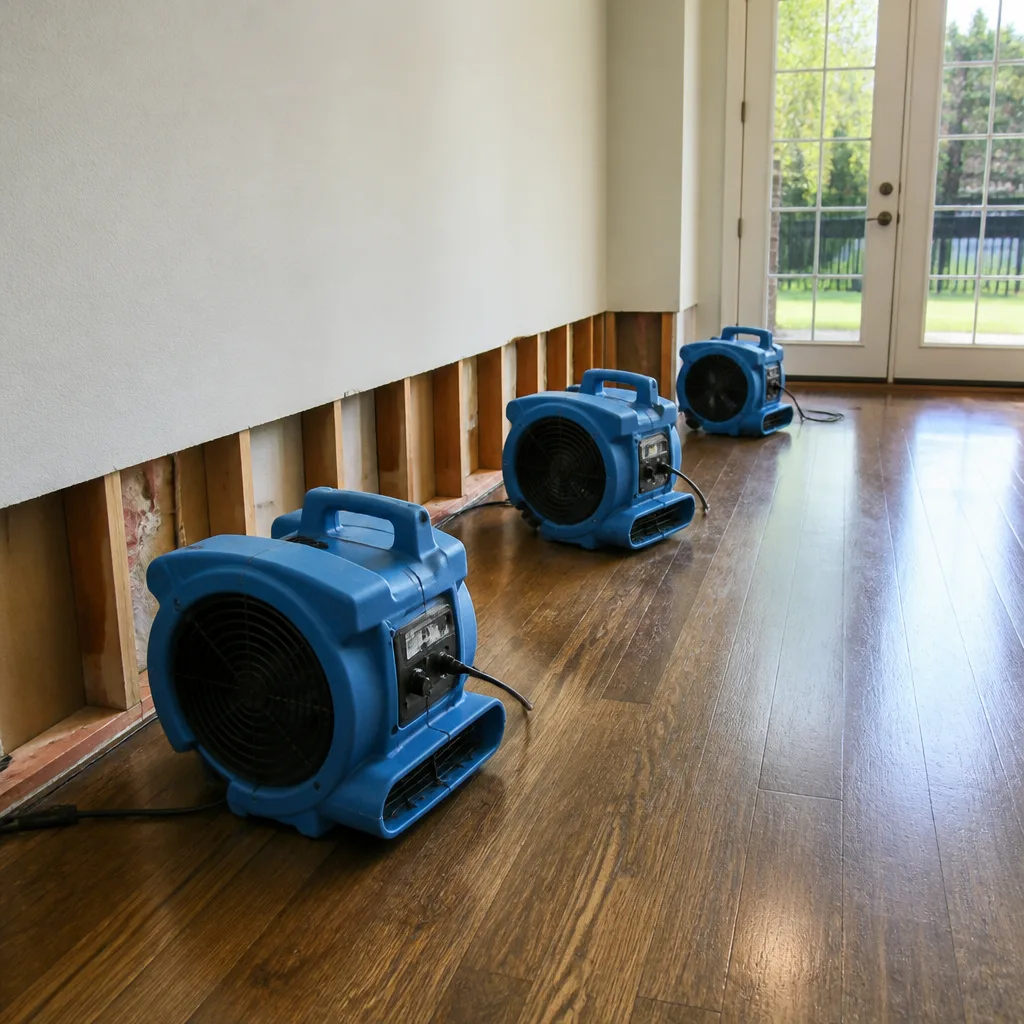
 Water damage drying
 Fire & smoke cleanup
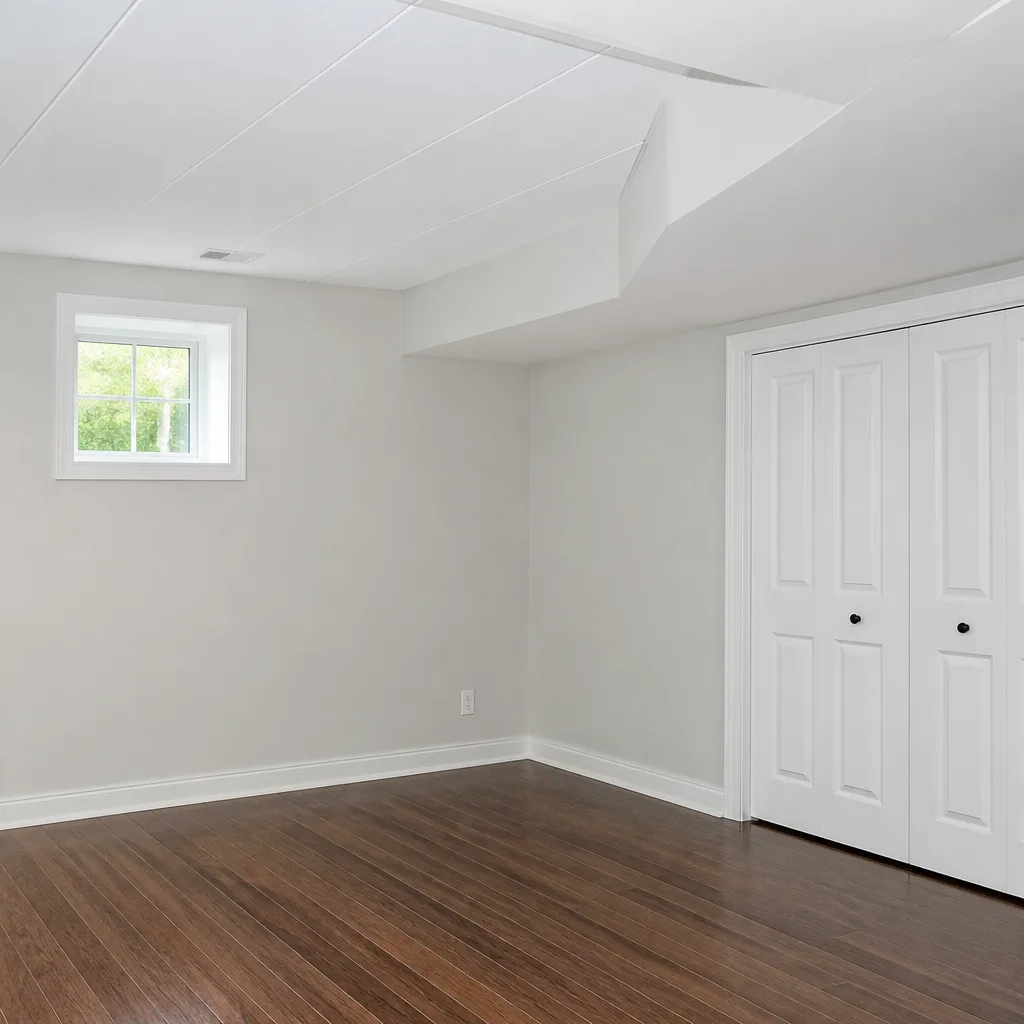 Mold remediation
 Storm response
 Sewage cleanup
 Reconstruction
Free visual inspection and a written scope of work before any mitigation begins - photos, moisture readings, and drying logs go in your claim file
The scope we write is the scope we bill. Anything new gets shown to you, in writing, before we touch it.
Get your free estimateRestoration work we handle
See the difference
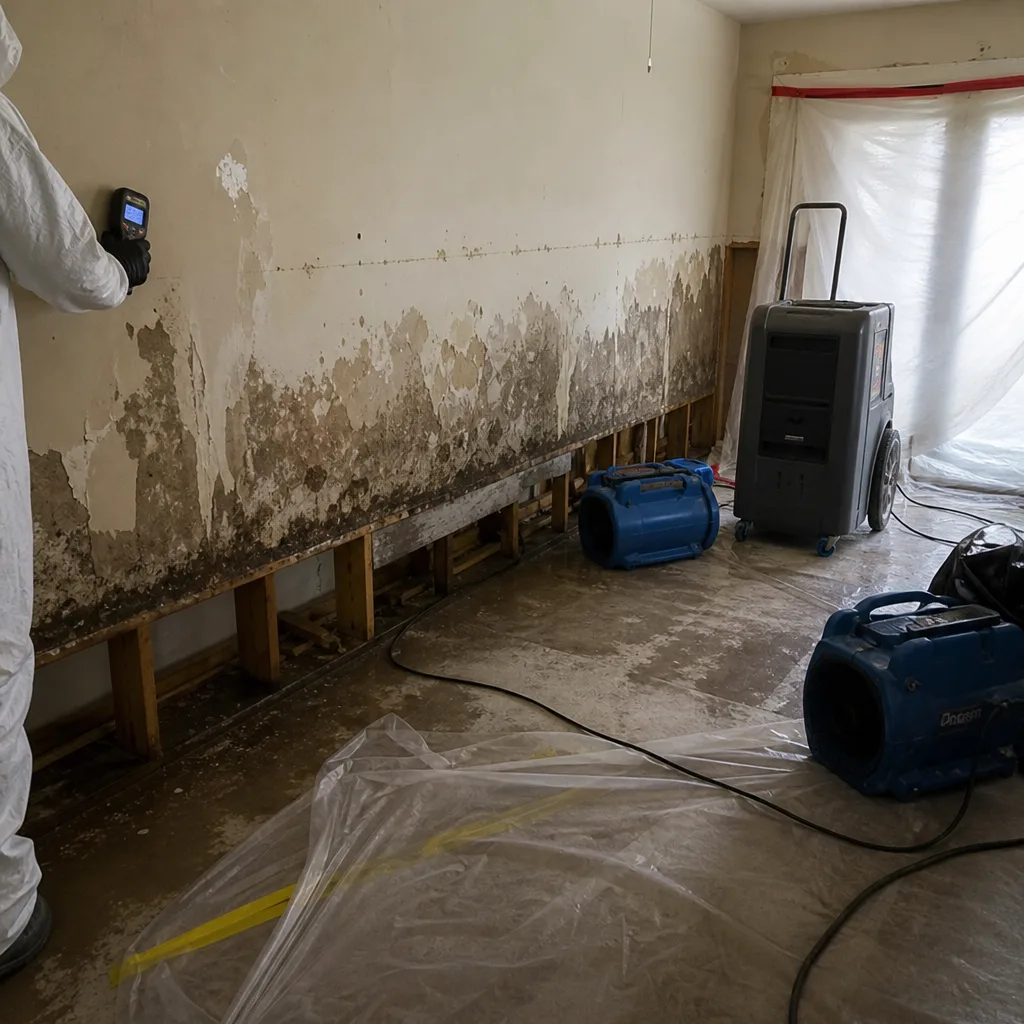 Before
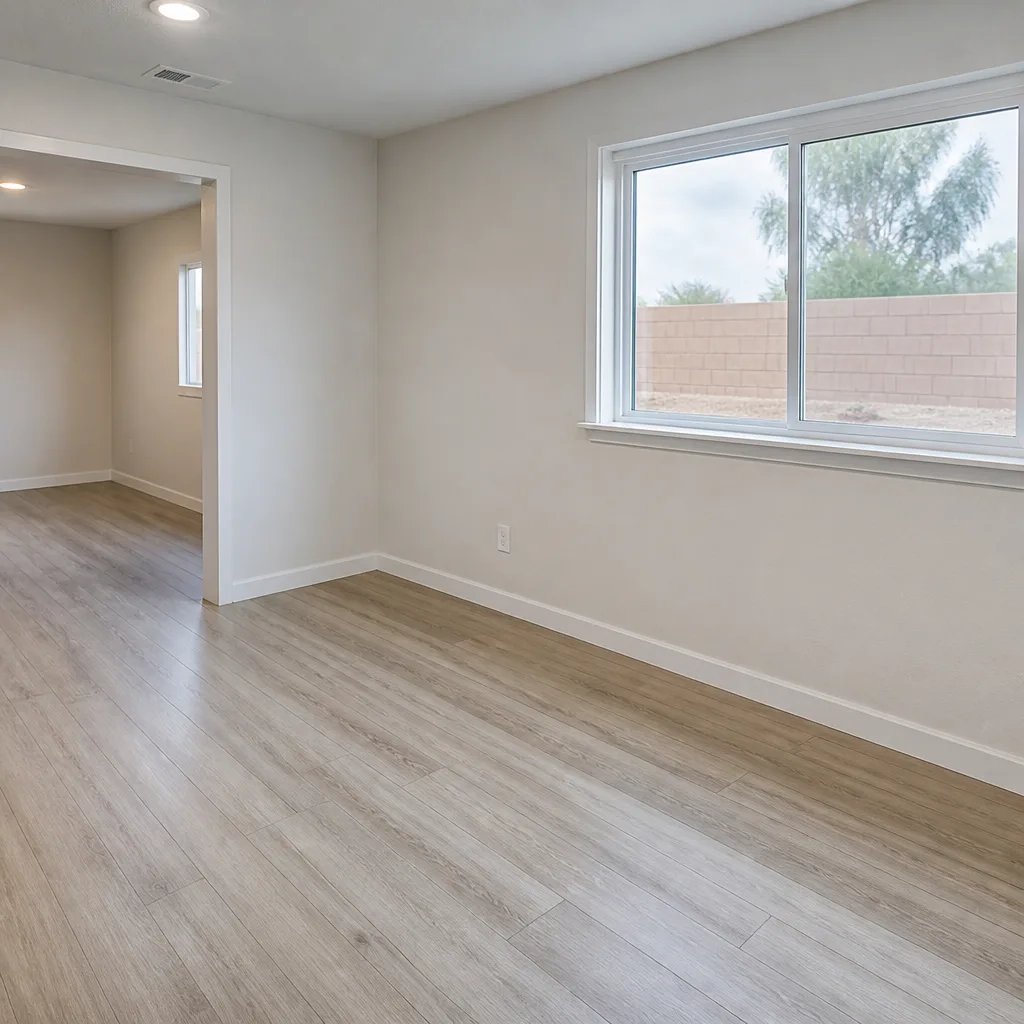 After
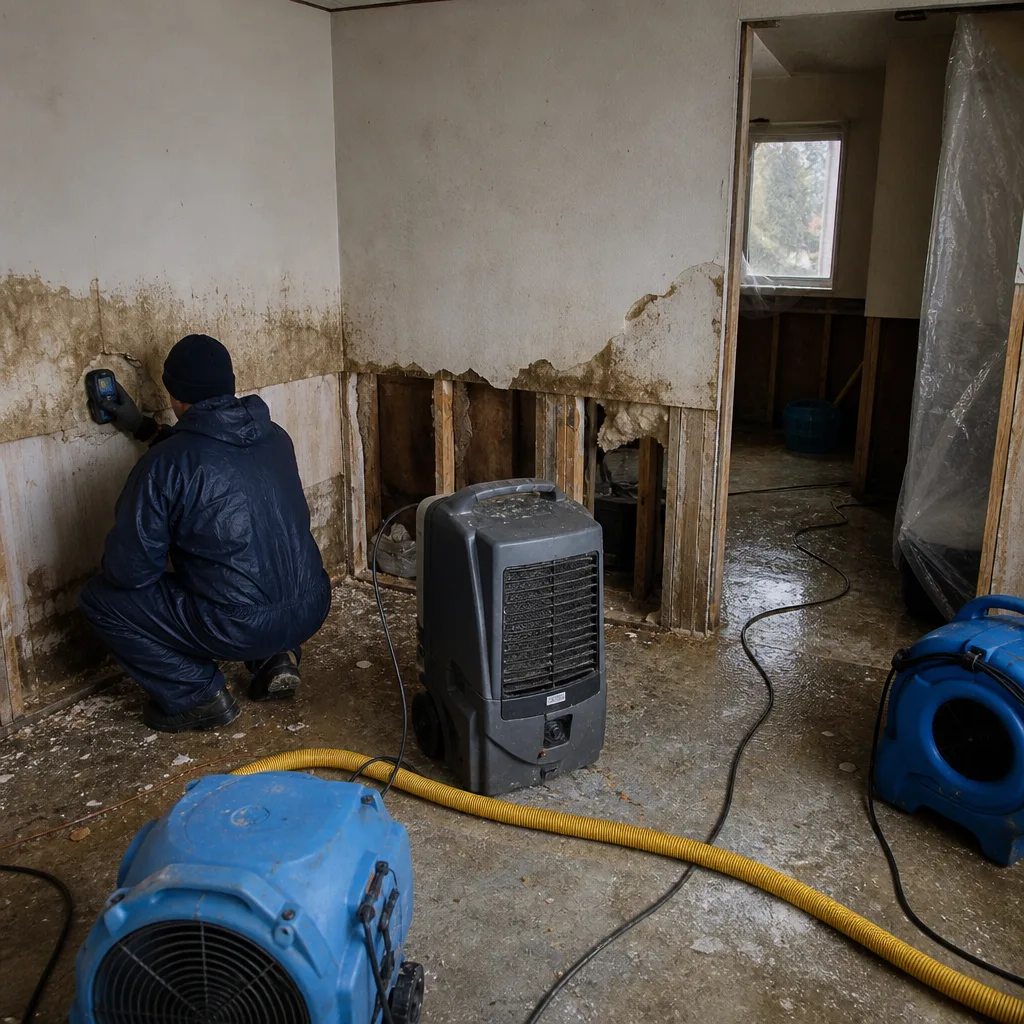 Before
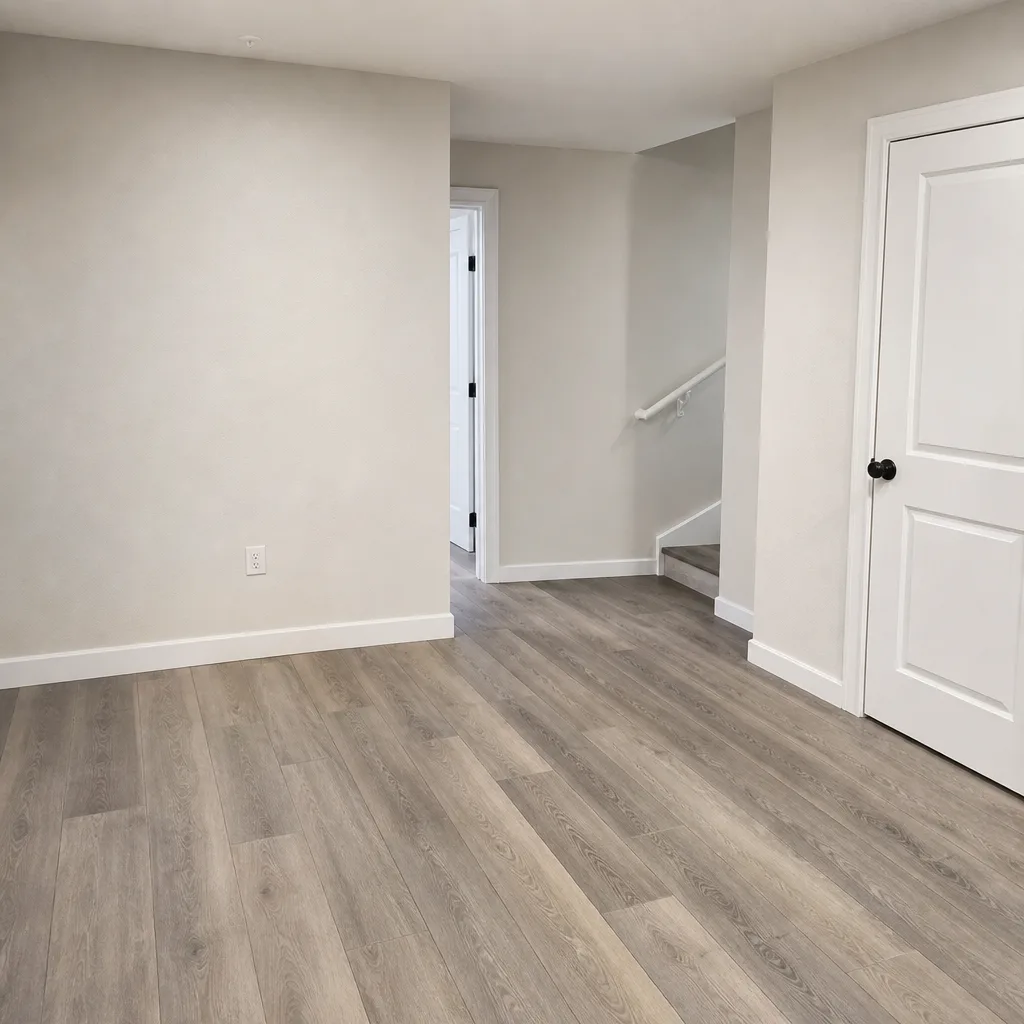 After
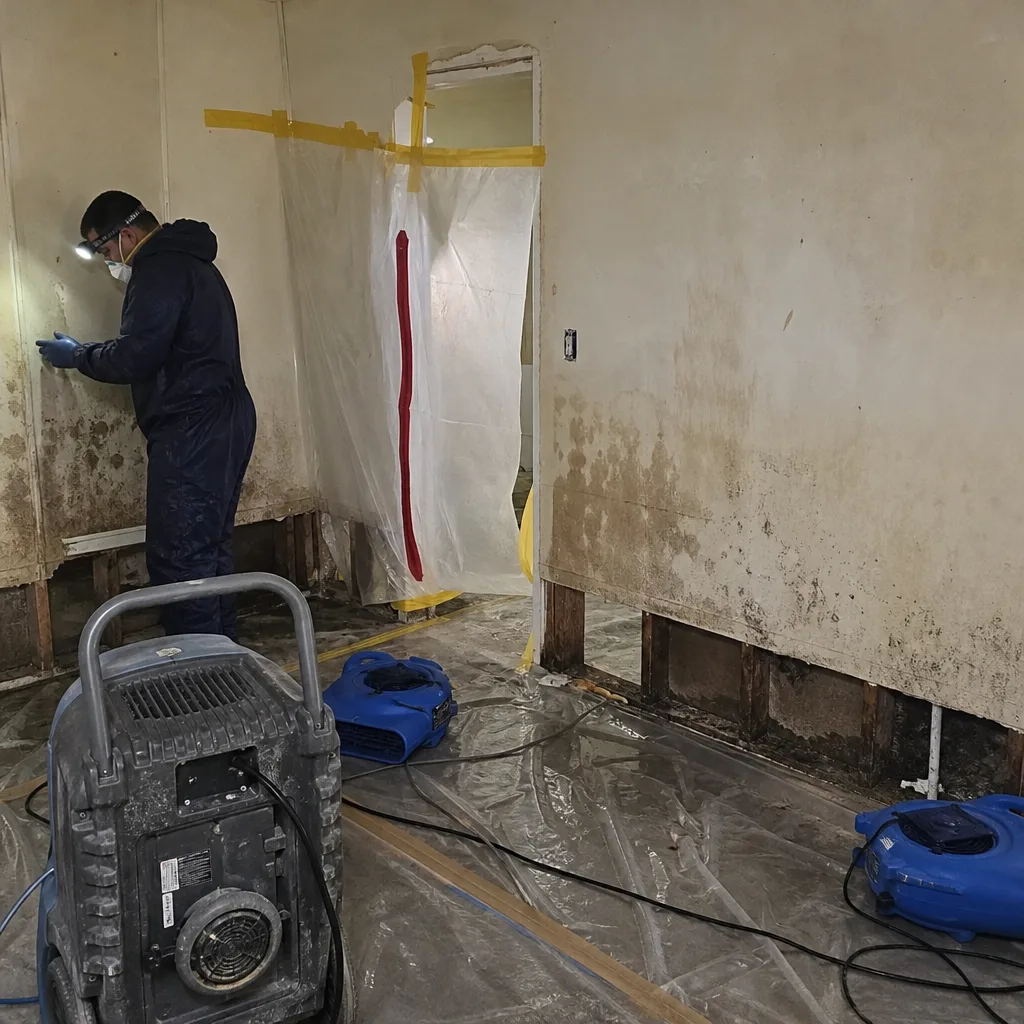 Before
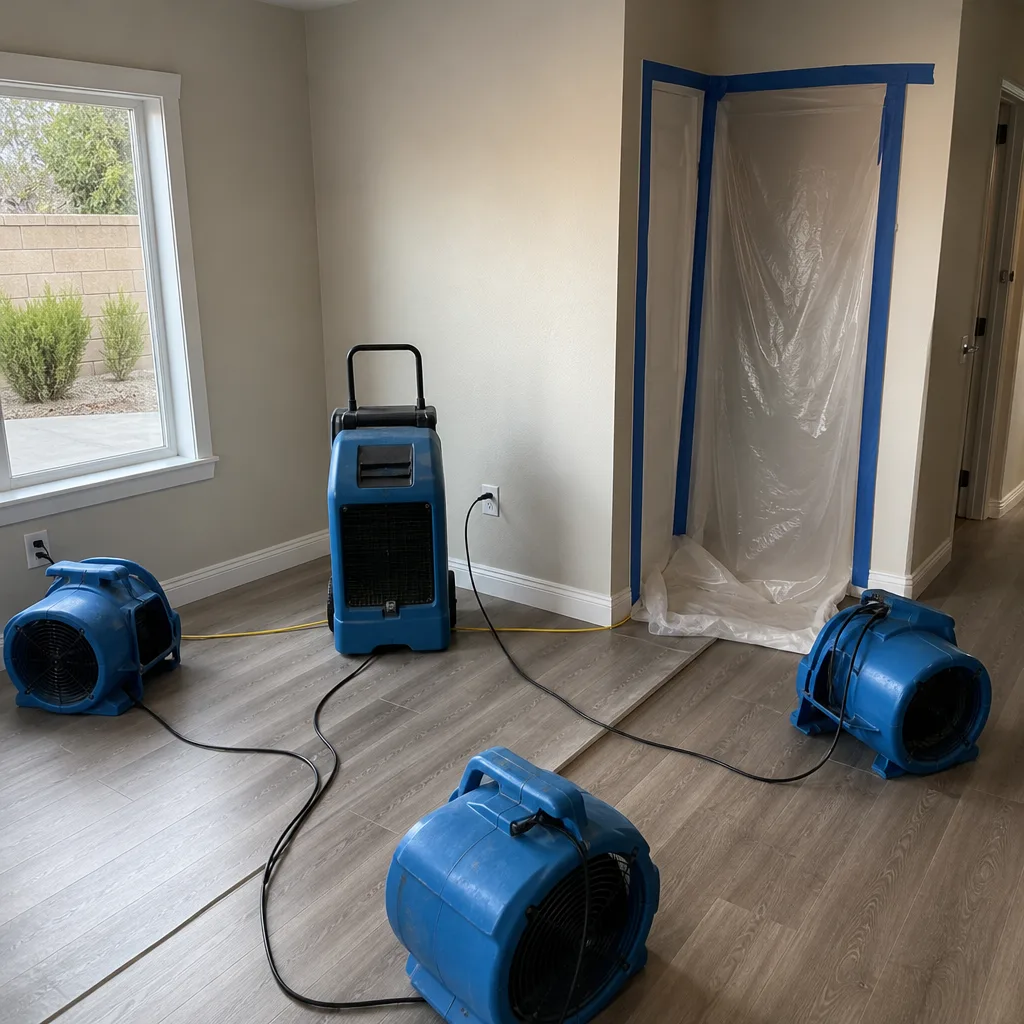 After
How Much Does Mold Remediation Cost in Victorville?
Mold remediation in Victorville typically runs $1,200 to $6,800 for most residential jobs, with the average homeowner landing around $2,600. A small area under 10 square feet (a patch behind a bathroom vanity, say) can often be handled for $350 to $700, while a full attic or crawlspace with widespread growth pushes past $10,000. The single biggest factor is how far the mold has spread into building materials and how much hidden moisture is feeding it.
We’re Whitfield Water Damage, and Mold Remediation is one of our three core disciplines alongside water and fire restoration. Every job we run follows an IICRC-certified protocol, which matters more than people realize in the High Desert. Mold here isn’t usually a “wet climate” problem. It’s a leak-and-humidity problem, and it behaves differently than it does in coastal California.
Mold Remediation Cost Breakdown (2026)
Here’s what the line items look like in the Victorville market right now. These ranges reflect real scoping for detached single-family homes and manufactured housing across the High Desert, including the older housing stock you find near downtown and the newer construction out toward the Mesa Linda and Seneca Road corridors.
| Service / Line Item | Typical Range (2026) |
|---|---|
| Initial mold inspection and moisture assessment | $150 – $450 (often free or credited toward the job) |
| Air and surface sampling (per sample, pre/post verification) | $75 – $175 each |
| Containment and negative air pressure setup | $300 – $900 |
| Remediation labor, small area (under 10 sq ft) | $350 – $700 |
| Remediation labor, mid-size area (10 – 100 sq ft) | $1,200 – $3,200 |
| Remediation labor, large area (100+ sq ft, attic or crawlspace) | $3,500 – $9,500 |
| HEPA vacuuming and antimicrobial treatment | $250 – $800 |
| Drywall removal and disposal (per affected room) | $300 – $1,100 |
| Structural drying, if active moisture is present | $1,000 – $3,600 |
| Reconstruction and drywall restoration (post-remediation) | $400 – $3,500 |
| Post-remediation verification (clearance testing) | $200 – $600 |
Two things push that total up faster than anything else. First, whether the mold is sitting on drywall, engineered wood, or exposed framing. Drywall that’s been wet usually has to come out, and that adds removal and rebuild costs. Second, whether there’s active moisture still feeding the problem. Remediating mold without fixing the leak is money burned. In our experience, at least a third of the jobs we scope in Victorville turn out to need some water-intrusion work first, and that’s a separate line item.
What brings the number down: catching it early, having clear access to the affected area, and keeping the affected zone contained to one room. A confined bathroom ceiling is a very different job from mold that’s colonized an entire HVAC plenum and been blowing spores through the ductwork.
What Affects Mold Remediation Pricing in Victorville
Pricing isn’t arbitrary. Here’s what actually moves the number on a Victorville job, in the order we usually see it matter:
- Location and size of the affected area. Square footage matters, but so does where. Mold behind a kitchen cabinet is tight, awkward work that costs more per square foot than mold on an open basement wall. Attic and crawlspace jobs cost more because access and containment are harder.
- Whether moisture is still active. Mold needs water. A slow supply-line leak under a slab or a roof leak that only shows up during monsoon season means the source has to be fixed and the structure dried before remediation can stick. This is where IICRC-certified drying protocol earns its keep. We dry first, verified with moisture meters, then remediate.
- The building materials involved. Porous materials like drywall, insulation, and carpet generally can’t be salvaged. Non-porous materials like tile, metal, and framing can often be cleaned and kept. The ratio of salvageable to non-salvageable material drives labor hours directly.
- Victorville’s dry air and evaporative cooling. This is a High Desert factor coastal guides miss. Many older Victorville homes (especially the 1950s – 1980s stock and manufactured homes) rely on evaporative/swamp coolers. Improperly maintained units, or roof-mounted units with failed pans, introduce moisture right into the ceiling assembly. We regularly find mold near cooler plenums and roof decking that has nothing to do with plumbing at all.
- HVAC involvement. If mold has reached the ductwork or the air handler, the scope widens fast. Contaminated ducts can re-seed a cleaned room, so that’s a different remediation plan and a higher cost.
- Whether insurance is paying. Mold remediation is often covered, but only when it traces back to a covered water event (a burst pipe, a failed water heater, appliance failure) rather than long-term neglect or humidity that was never addressed. Documentation is everything. We photograph, meter, and scope to insurance standards so an adjuster has what they need to approve.
- Accessibility and reconstruction scope. Second-floor ceilings, tight crawlspaces, and finished spaces with textured walls or custom tile all add labor. Reconstruction after demo is priced separately from remediation itself.
One local note worth flagging: Victorville’s building stock is genuinely mixed. You’ve got mid-century homes near downtown, large tracts of newer construction off Highway 395 and toward Hesperia, and a substantial number of manufactured and mobile homes. Each behaves differently when water gets in. Manufactured housing, in particular, has thinner wall assemblies and belly-board undercarriages where moisture hides and mold takes hold quietly. If you want the full process breakdown, our Mold Remediation in Victorville page walks through how we scope and treat each of these.
How to Save on Mold Remediation
Nobody wants to overpay for this, and there are genuine ways to keep the number down without cutting the protocol that makes remediation actually work.
- Fix the water source first, before anything is priced. Remediating while a leak is still active just restarts the clock. Find the leak, repair it, then remediate once. This single step prevents the most common costly re-do.
- Get a real, itemized estimate before work begins. A free estimate that breaks out containment, demo, drying, labor, sampling, and rebuild lets you compare apples to apples. We build every scope that way. Call (855) 382-0478 and we’ll come out, meter the area, and give you a written range.
- Don’t skip the verification step to save money. Clearance testing looks like an optional add-on, but it’s your proof the job was done. Skipping it and having mold return is far more expensive than the test.
- Check whether insurance covers it. If your mold traces back to a covered water event, most of this is an insurance conversation, not a personal check. We document to insurance standards so the claim has a clean paper trail.
- Address small mold that shows up after a leak quickly. A $400 remediation today beats a $4,000 one in six months. Early, contained jobs are the cheapest jobs.
- Keep humidity and coolers in check. Regular maintenance on evaporative coolers and good ventilation in bathrooms and laundry areas reduce the moisture that lets mold establish in the first place. That’s prevention, and it’s the cheapest line item there is.
A note on “cheap” bids that come in well under these ranges: they usually mean no containment, no negative air, no sampling, and almost always no moisture verification. You can’t see mold spores with the naked eye, and a crew that skips containment spreads them into the rest of the house. The savings rarely survive the second visit.
FAQs – Mold Remediation Cost
How much does mold remediation cost in Victorville?
Most Victorville homes fall between $1,200 and $6,800, with a typical job around $2,600. Small areas under 10 square feet run $350 to $700; widespread attic or crawlspace growth can exceed $10,000. Call (855) 382-0478 for a free, itemized estimate for your specific situation.
Does homeowners insurance cover mold remediation in Victorville?
Usually yes, but only when the mold traces back to a covered water event. If the growth came from a burst pipe, failed water heater, or appliance leak, remediation is commonly covered; long-term humidity or neglect usually isn’t. We document moisture readings and scope to insurance standards so your adjuster has what’s needed. Call (855) 382-0478 to talk through your claim.
Is it cheaper to remediate mold or just tear out and replace?
Remediation is almost always cheaper when the affected materials are non-porous or the area is contained. Cleaning and preserving framing, tile, and metal costs far less than demolition and rebuild. When porous materials like wet drywall or insulation are involved, removal is the correct move regardless of cost. Estimates are free, so call (855) 382-0478 and we’ll tell you which applies.
How much does mold testing cost in Victorville?
Air and surface samples typically run $75 to $175 each, and a standard assessment with a few samples lands around $300 to $500. Many homeowners start with a free visual and moisture inspection and add sampling only where it clarifies the scope. Call (855) 382-0478 to set one up.
Can you come out today for a mold estimate?
We can often schedule an assessment quickly, and estimates are free. Call (855) 382-0478 and we’ll find the soonest available time. If there’s active water intrusion behind the mold, tell us that up front, because drying has to come first and that changes the plan.
Why Certified Method Matters on the Price
A mold remediation quote is really a promise about process. The number only means something if you know what’s being done for it. Our technicians follow IICRC-certified methods, and we’re members of the Restoration Industry Association (RIA) and the IFA, which means peer accountability and standards that outlast a single job. We use professional-grade equipment throughout: Dri-Eaz, Phoenix, and B-Air air movers, XPOWER blowers, and Injectidry cavity-drying systems. The Injectidry units matter on Victorville jobs specifically, because they let us dry inside walls and under floors without tearing everything out first. That’s less demolition, less rebuild, and a lower total bill than a tear-out-first approach would produce.
Because we handle water damage restoration, mold remediation, and fire and smoke damage under one roof, if your mold traces back to a water event, the same certified team that finds the moisture can fix it. You’re not handed to a second vendor mid-crisis. To see how we run the whole operation, start at our home page.
Get a Real Number, Not a Range
The ranges on this page are honest and local, but every home is different. The only way to know what your job costs is to have someone meter the moisture, measure the affected area, and scope it properly. That assessment is free. Whitfield Water Damage brings IICRC-certified process, professional drying equipment, and documented scopes to every job in Victorville and the surrounding High Desert. Call (855) 382-0478 for your free estimate and we’ll tell you exactly what you’re looking at.
Pricing reflects the Victorville market as of 2026. Whitfield Water Damage offers free estimates – call (855) 382-0478.
What Our Customers Say
"Third party air clearance test at the end, at their suggestion, so we had proof rather than just their word."
— Michelle Tran"They cut the drywall at a clean line and only as far up as was actually wet, rather than gutting the whole room."
— Marco Garcia"Supply line let go under the upstairs bathroom at two in the morning. They had a crew here inside ninety minutes, water extracted before dawn, and dehumidifiers running by breakfast. The ceiling below was saved."
— Ruben Salazar