


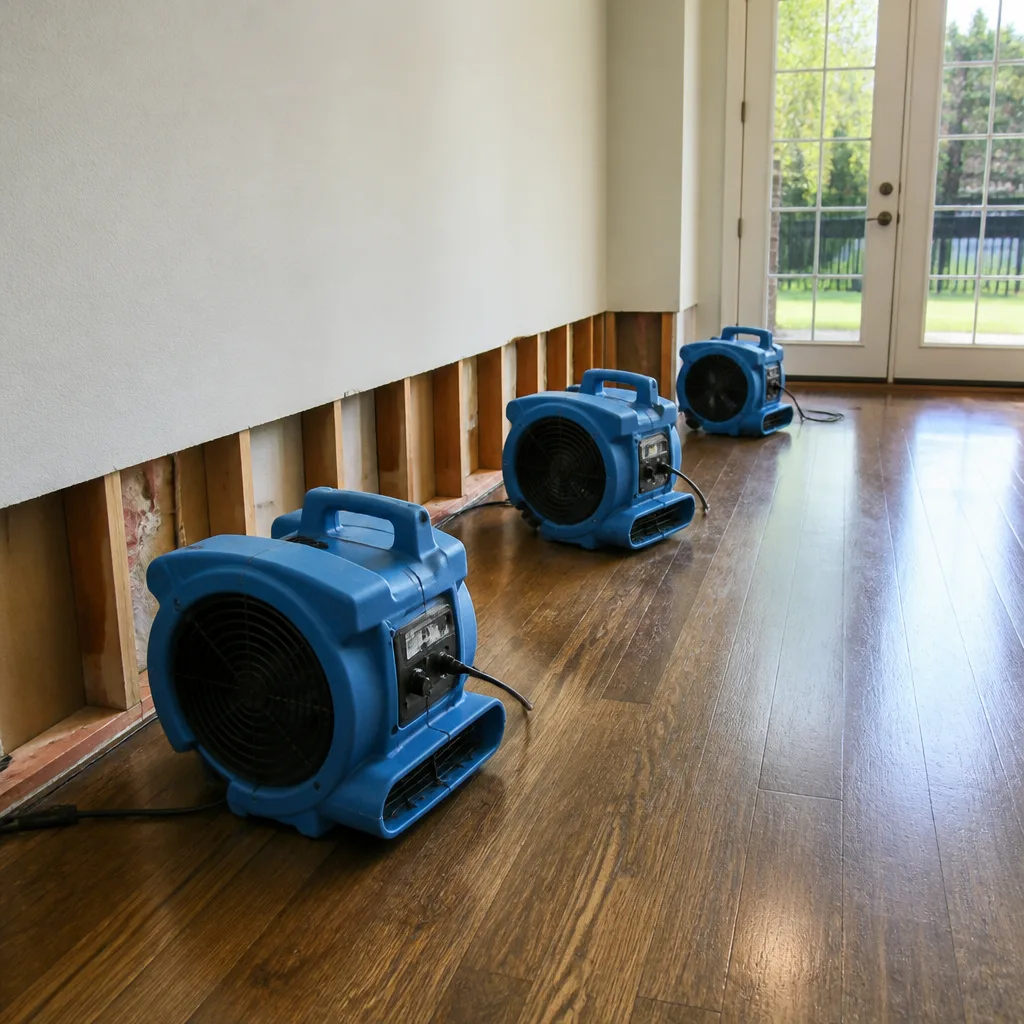
 Water damage drying
 Fire & smoke cleanup
 Mold remediation
 Storm response
 Sewage cleanup
 Reconstruction
Free visual inspection and a written scope of work before any mitigation begins - photos, moisture readings, and drying logs go in your claim file
The scope we write is the scope we bill. Anything new gets shown to you, in writing, before we touch it.
Get your free estimateFast, Reliable Water Damage Restoration Across March Air Force Base
Water damage restoration in March Air Force Base typically costs $1,200 to $4,500 for a standard Category 1 clean-water loss, while larger flood or contaminated-water jobs run $5,000 to $15,000 depending on affected square footage and whether structural drying can be done non-invasively. If you’re inside the active base perimeter or one of the 92551 neighborhoods around March Inland Port, call (855) 382-0478 and we’ll dispatch an IICRC-certified crew who knows how to get through security and start extraction the same day.
March Air Force Base is not a normal service area. Restoration crews work around an active Air Force Reserve installation, former military hangars, and mid-century housing stock that shares ZIP 92551 with newer Moreno Valley tract homes. That mix changes everything: access coordination, drying strategy, and even how we document the job for insurance. We know the difference because we’ve worked it.
Why Whitfield Water Damage Is March Air Force Base’s Preferred Water Damage Restoration Company
Homeowners and property managers across March Air Force Base call us because we can actually get on site. At the March Inland Port, the former barracks and hangars sit inside a security perimeter where base operations control entry. A restoration contractor who doesn’t know how to coordinate access loses six to twelve hours before the first blower goes in. We coordinate before we dispatch. That alone separates us from the generalist crews pulling up to the gate and figuring it out on the phone.
Our team is led by Nolan Pruett, who built Whitfield Water Damage around one principle: restoration is a science, not a guess. Every water damage job in March Air Force Base follows IICRC-certified drying protocol, with moisture mapping before equipment placement and daily drying logs that meet insurance documentation standards. We document to the standard adjusters expect, which matters when you’re filing a claim on a converted hangar or a 1970s tract home with original plumbing still in the slab.
We’re also members of the Restoration Industry Association and IFA. Those aren’t framed certificates on a wall. They mean our drying methods get reviewed against professional benchmarks, and our technicians train on the current standards. For a March Air Force Base homeowner standing in a flooded living room, that’s the difference between “the floor felt dry” and “the moisture meter reads 8% wood moisture content in the subfloor.”
Restoration work we handle
Emergency Water Removal in March Air Force Base
Emergency Water Removal in March Air Force Base is the first hour after a supply line bursts, a water heater tank splits, or a washing machine hose fails and dumps water across the floor. The goal is not just to suck up standing water. It’s to stop the water from migrating into walls, subfloor cavities, and the crawlspace under those mid-century 92551 homes where original framing soaks up moisture like a sponge.
What Our Crew Does First
We start with containment and source control. If it’s a burst pipe, we work with your plumber’s shutoff or isolate the line if it’s accessible. Then we extract with truck-mounted extraction units and set up our drying system. A typical single-room water removal extraction in March Air Force Base runs $500 to $1,200 when it’s clean water and we’re on site within a few hours.
When It’s More Than Standing Water
If the water sat overnight or came from a sewage backup, the job changes. Category 2 or Category 3 water requires controlled demolition, antimicrobial application, and full containment. That work in March Air Force Base ranges $3,000 to $7,000 for a standard 500-square-foot affected area, with structural drying and rebuild scoped separately. Every decision we make gets documented in writing before work starts, so there’s no surprise scope creep once the walls are open.
Flood Damage Restoration in March Air Force Base
Flood Damage Restoration in March Air Force Base usually means one of two things: stormwater driven by the heavy runoff that follows western Riverside County downpours, or an interior flood from a failed appliance or drain line in one of the older buildings around the March Inland Port. Both require getting water out fast and drying the structure to a measurable standard, not just to the touch.
Legacy Drainage and Slab Construction
Older military-era buildings here often have original trench drains that are undersized for modern runoff, or slab floors with no vapor barrier. Water that pools against an exterior wall doesn’t always show itself indoors for days. We use moisture mapping with Dri-Eaz sensors to find hidden migration in those conditions. Flood cleanup and drying in March Air Force Base typically runs $2,500 to $8,000 depending on the size of the affected area and whether we can dry cavities with Injectidry systems or need to open walls.

When Floodwater Is Contaminated
If the floodwater came from outside, we treat it as Category 2 or Category 3 until proven otherwise. That means full PPE, containment barriers, and antimicrobial treatment as part of the scope. We do not shortcut contaminated-water jobs. The cost for a contaminated flood restoration in a March Air Force Base home or converted hangar generally lands between $5,000 and $12,000, with rebuild work scoped separately and in writing before any wall comes down.
Trusted Brands We Service in March Air Force Base
We run our drying fleet on Dri-Eaz and Phoenix equipment, the same brands insurance-preferred restoration contractors use nationwide. For March Air Force Base customers, that means our equipment is on-site quickly, calibrated for our local environment, and compatible with the documentation standards your adjuster expects. We stock common replacement parts for these units in our vehicles, not in a warehouse two hours away. When a dehumidifier fails at hour 30 of a 72-hour dry-out, we swap it out the same day, not the next morning. For Water Damage Restoration that gets done right, the equipment and the crew both matter.
See the difference
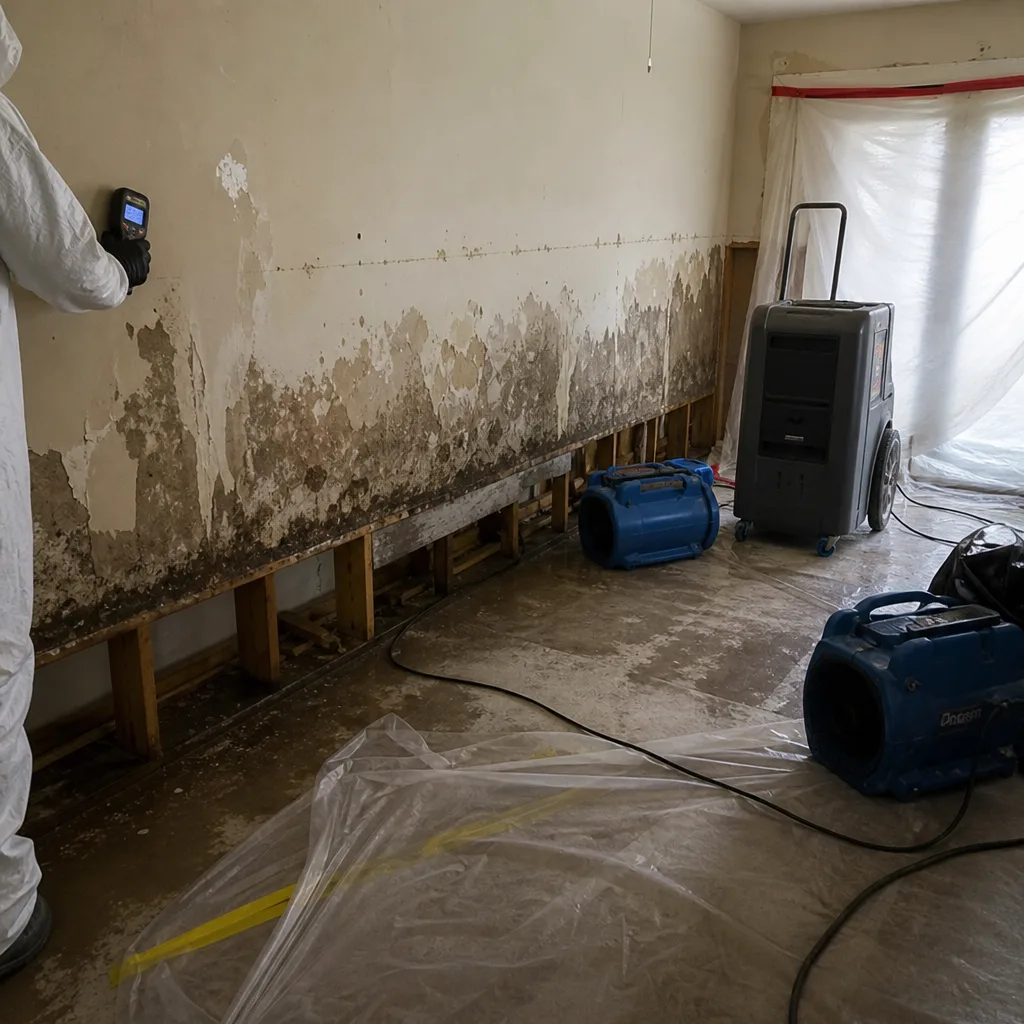 Before
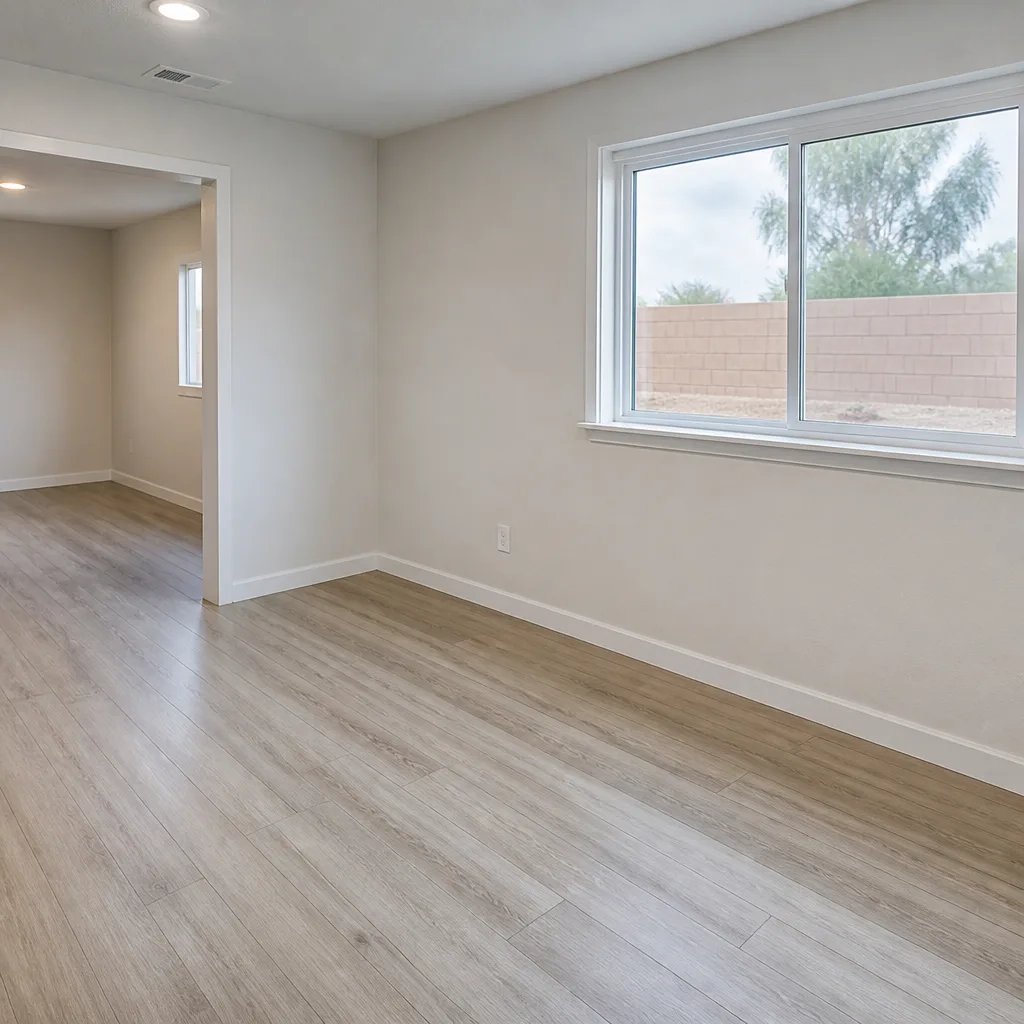 After
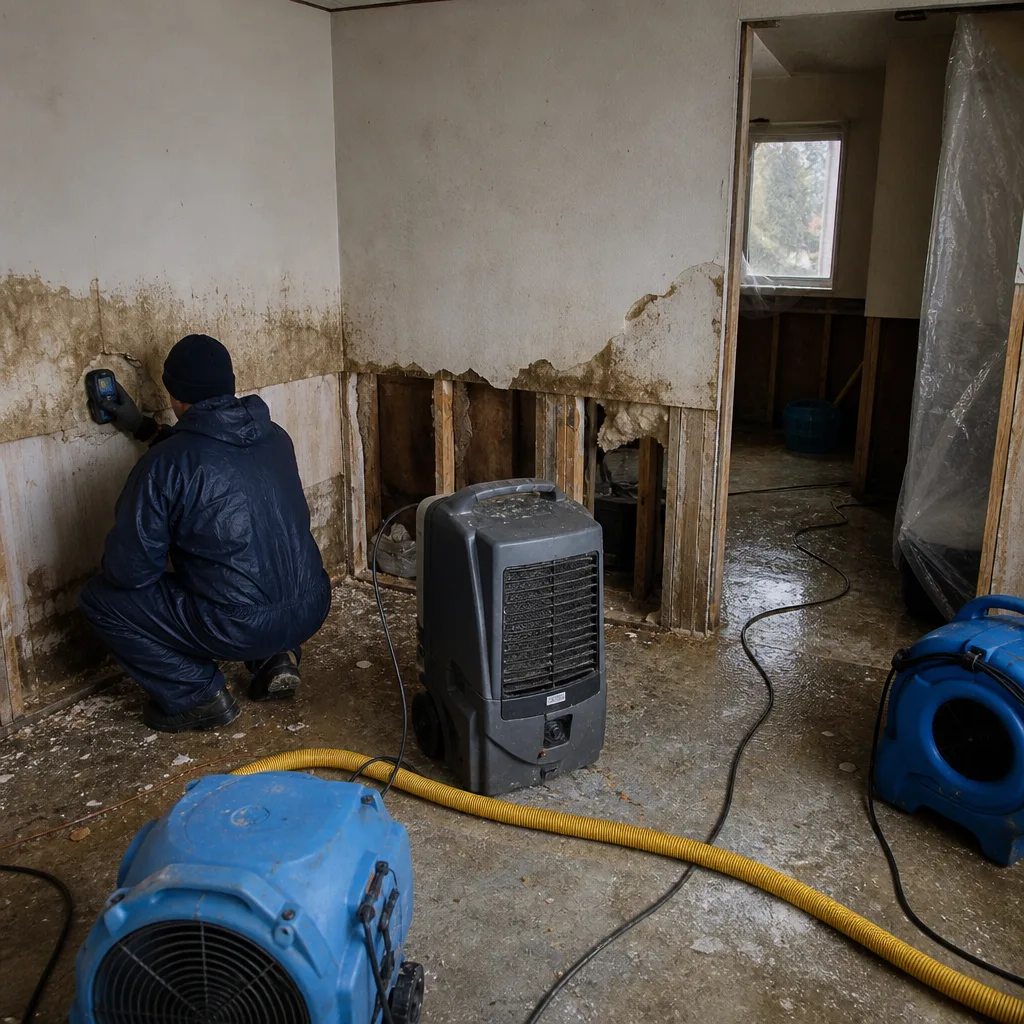 Before
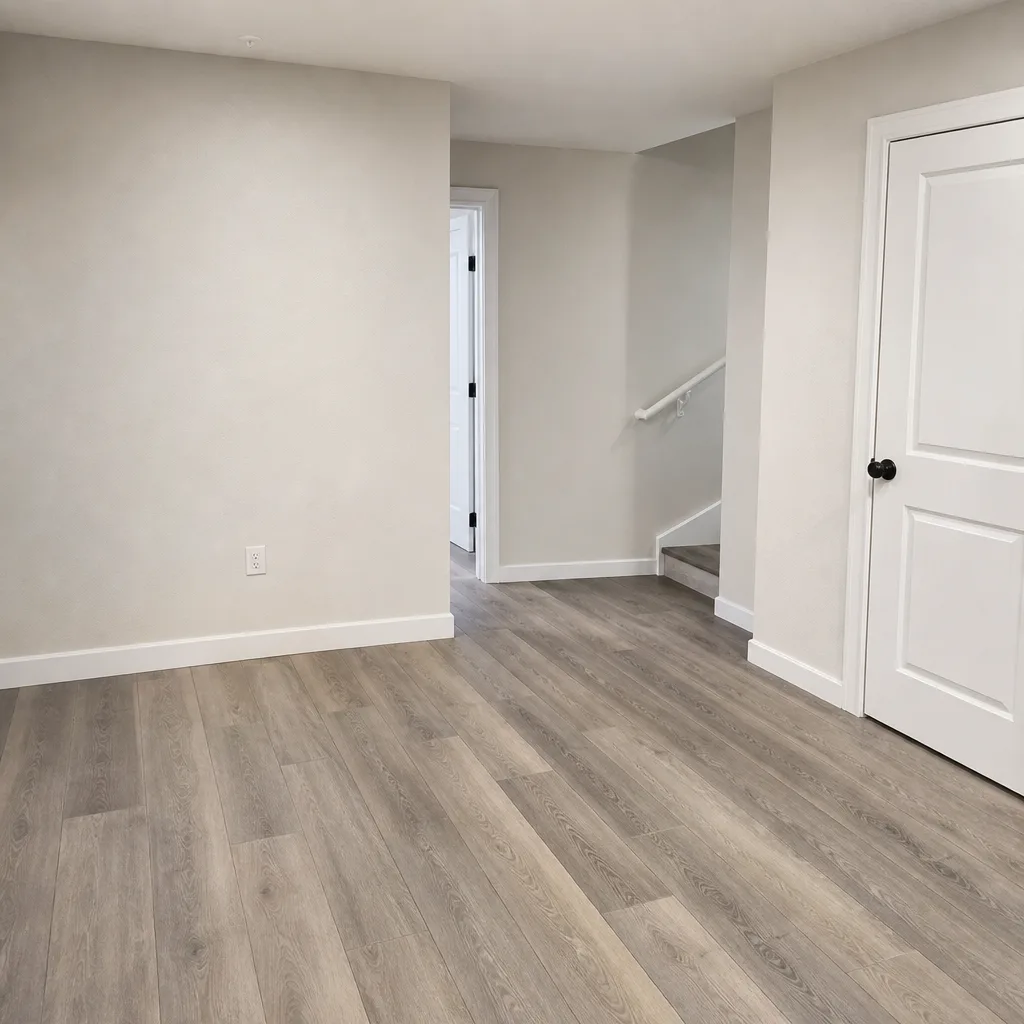 After
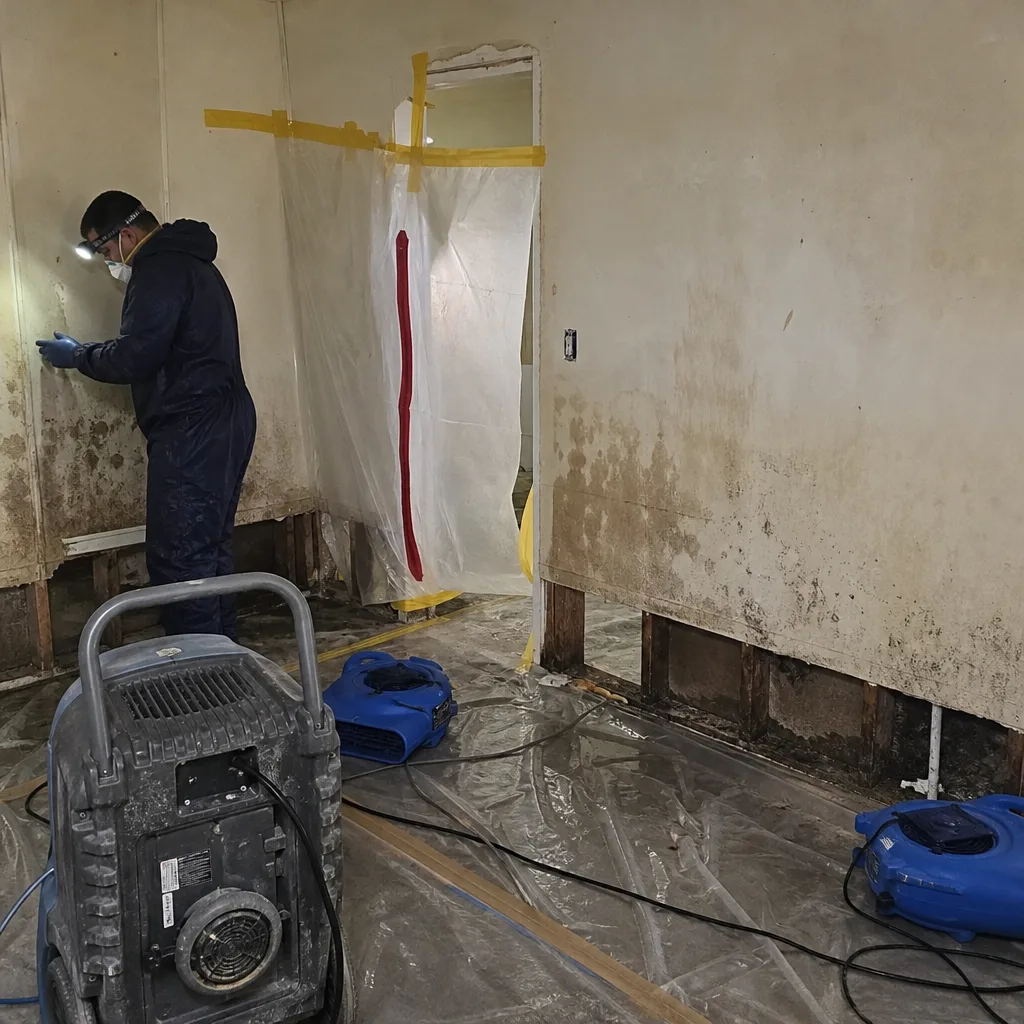 Before
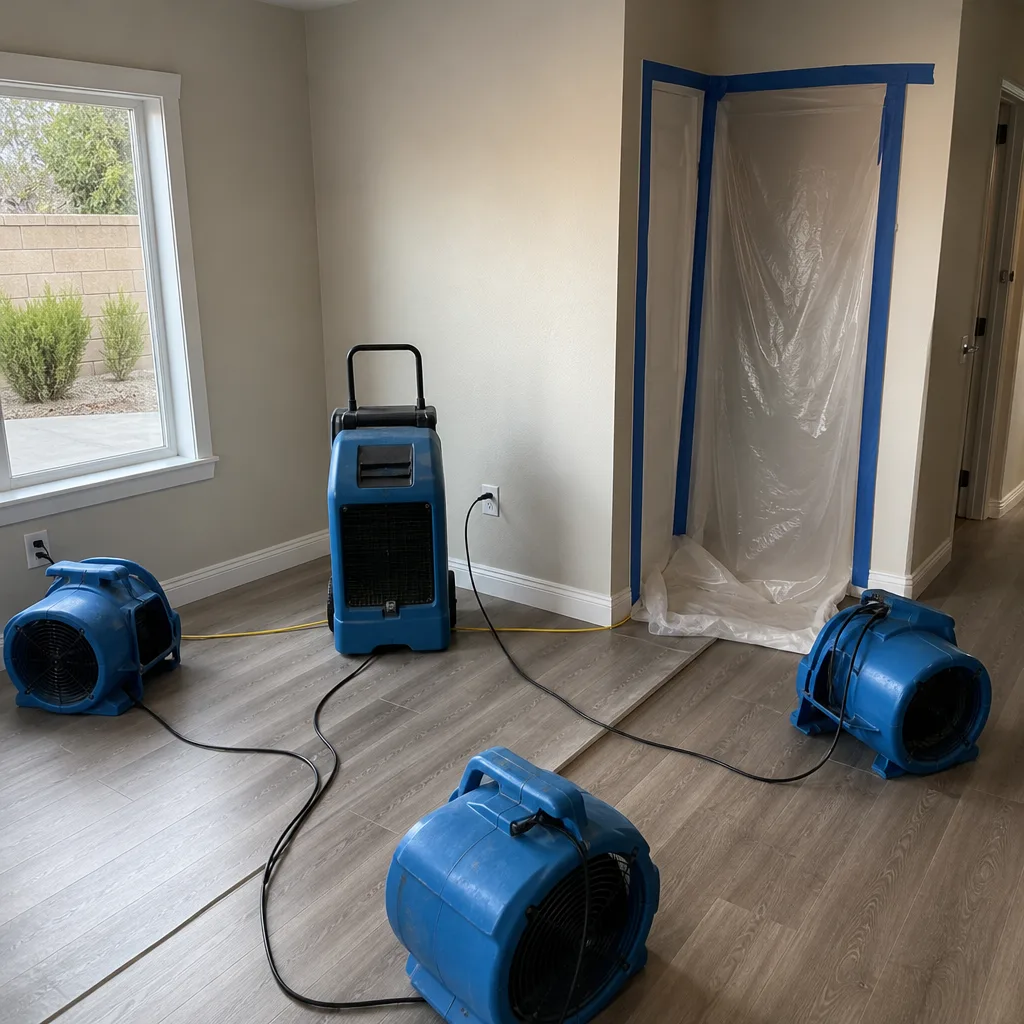 After
Common Water Damage Restoration Problems We See in March Air Force Base Homes
- Access delays at the active base perimeter. Crews that haven’t pre-coordinated entry with March Air Force Base security lose hours before extraction starts. Every hour of delay lets clean water degrade and mold begin within 24 to 48 hours. We call ahead and arrive with entry approvals documented.
- Original drains and hidden roof access in converted hangars. Former military hangars at the March Inland Port often have undersized or clogged original drains and roof access points that are hard to find. Water migrates into wall cavities and subfloors that never get found by a visual-only inspection. Our moisture mapping catches what a walkthrough misses.
- Mixed construction types in one ZIP code. 92551 covers mid-century government buildings and 1970s tract homes. A drying strategy that works on a slab-on-grade tract home fails on a hangar with uninsulated metal panels. We adjust equipment placement and drying targets per structure, not per job template.
- Santa Ana dust loading in HVAC systems. The hot, windy conditions that drive fast drying in March Air Force Base also push fine dust into supply ducts and air handlers, especially in older buildings with aging seals. After a water loss, that dust becomes wet mud in the system. We include HVAC inspection and filter replacement in our scope on every job where the system ran during the event.
Pricing for Water Damage Restoration in March Air Force Base, CA
Here are the ranges we see across March Air Force Base and the 92551 corridor. A single-room water extraction starts around $500 to $1,200. A standard Category 1 water loss in a 1,200-square-foot home typically runs $1,200 to $4,500 when we can dry in place. Larger structural drying with containment and antimicrobial treatment runs $4,000 to $8,000. If demolition and rebuild are required, you’re scoping $8,000 to $15,000 or more depending on finishes. The biggest variables are water category, affected square footage, and whether Injectidry cavity drying works on your structure or we need to open walls. Call (855) 382-0478 for a written estimate specific to your property. Estimates are free, and the scope is agreed before work starts.
We Also Serve Cities Near March Air Force Base
If you’re in March Air Force Base or the surrounding 92551 service area, including Moreno Valley, Woodcrest, Perris, and Good Hope, we’re close enough to get to you the same day. Our crews know the access points, the security protocols, and the housing stock across this whole corridor.
Serving March Air Force Base, CA — Our Local Coverage Area
We’re based in the March Air Force Base area and know this community well. Use the map below to see our service coverage — if you’re nearby, we can almost certainly help.
FAQs About Water Damage Restoration in March Air Force Base
We coordinate access with base and March Inland Port operations before our crew arrives, including security clearances, entry times, and vehicle staging. That means extraction starts when we get on site, not after a gate delay. Call (855) 382-0478 and we’ll start the access coordination immediately.
A former hangar has large open volume, metal or slab surfaces, hard-to-find roof access, and often original drains that don’t move water efficiently. A 1970s tract home in 92551 has framed walls, a slab or raised foundation, and predictable cavity dimensions. The drying physics differ completely, which is why we don’t use one equipment formula for both. We adjust air mover placement, dehumidifier sizing, and drying targets per structure.
Yes, when drying gets done to a measurable standard within the first 24 to 72 hours. The dry, windy weather here helps surface evaporation, but that same wind pushes dust into HVAC systems and can create false “dry” readings on surfaces while cavities stay wet. We monitor with moisture meters in walls and subfloors, not just on the surface. If mold has already started, our mold remediation team is certified and works under the same documentation standards.
Water is classified by source and contamination level: Category 1 is clean water from a supply line or pipe; Category 2 has significant contamination like a failed drain line; Category 3 is sewage or floodwater. Commercial hangars often have unknown floor drain conditions, so we test and document before treating. The classification sets the scope for antimicrobial treatment, containment, and whether materials get dried or removed.
We run Dri-Eaz and Phoenix dehumidifiers and air movers, plus Injectidry cavity-drying systems for non-invasive structural drying inside walls and under floors. These are the same brands major insurance-preferred contractors use. Call (855) 382-0478 for an exact equipment plan for your property.
If you have water damage in March Air Force Base and need a crew that knows the base perimeter, the legacy buildings, and the drying science, call Whitfield Water Damage at (855) 382-0478 for a free estimate. We’ll walk you through the scope before any work starts.
Written by Nolan Pruett, Owner at Whitfield Water Damage, serving March Air Force Base and the 92551 corridor with IICRC-certified restoration since founding the company.