


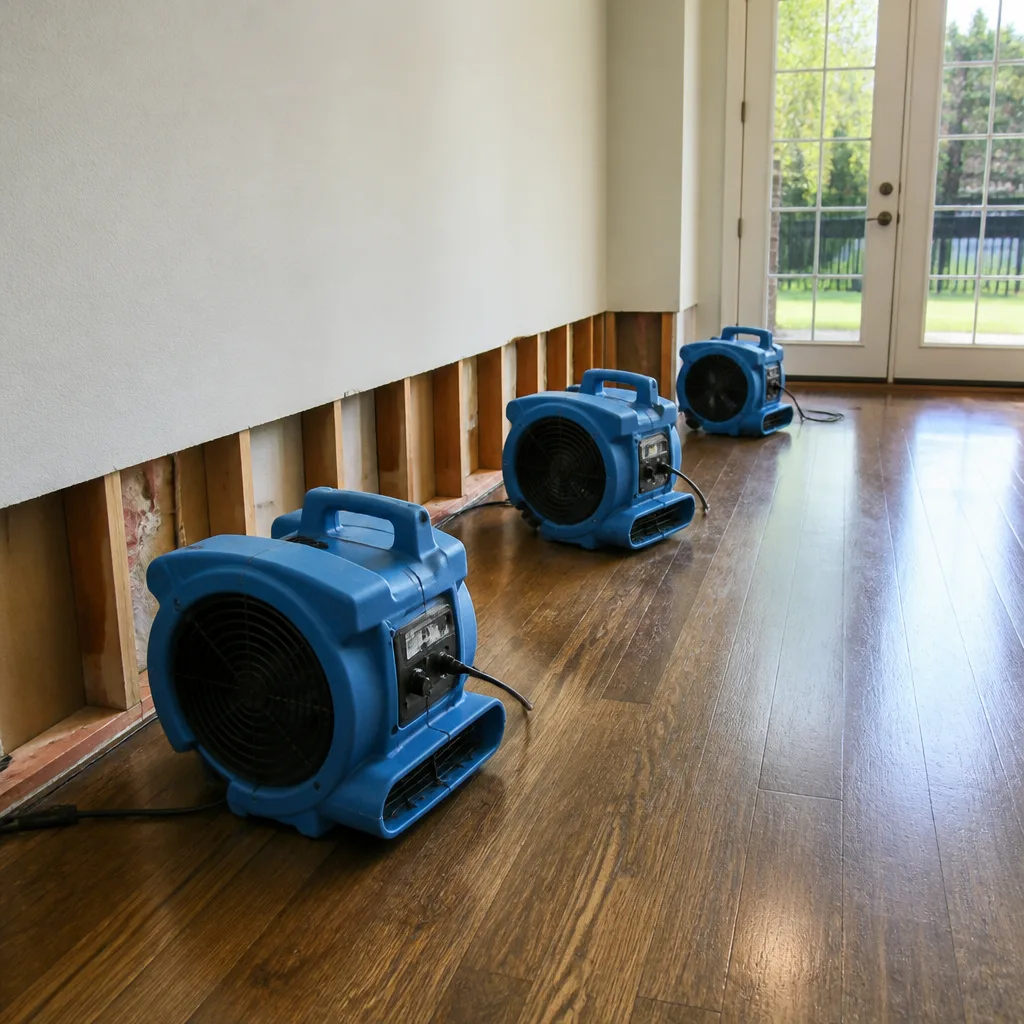
 Water damage drying
 Fire & smoke cleanup
 Mold remediation
 Storm response
 Sewage cleanup
 Reconstruction
Free visual inspection and a written scope of work before any mitigation begins - photos, moisture readings, and drying logs go in your claim file
The scope we write is the scope we bill. Anything new gets shown to you, in writing, before we touch it.
Get your free estimateFast, Reliable Water Damage Restoration Across Pomona
Water damage restoration in Pomona means responding to a specific set of problems: pinhole leaks in original galvanized plumbing hidden behind plaster-and-lathe walls, rain intrusion through stucco cracked by months of hot, dry sun, and the occasional burst pipe in a 1950s tract home that never got replumbed. Our IICRC-certified technicians work across all four Pomona ZIP codes: 91766, 91767, 91768, and 91769. We know the housing stock, we know the failure patterns, and we get to Pomona fast. If you’re looking at a wet ceiling, warped baseboards, or standing water right now, call (855) 382-0478. We answer around the clock.
Why Whitfield Water Damage Is Pomona’s Preferred Water Damage Restoration Company
What separates us in Pomona comes down to process and equipment more than advertising. When we arrive at a home near Ganesha Park or up in the Phillips Ranch hills, we start with moisture mapping, not guesses. Our techs follow IICRC-certified drying protocol on every job, which means the drying plan is documented, measured, and verifiable. That matters to Pomona homeowners who’ve dealt with a franchise crew that set a few fans and left. It also matters to adjusters. We document to insurance standards, with photo logs and drying records that hold up to scrutiny.
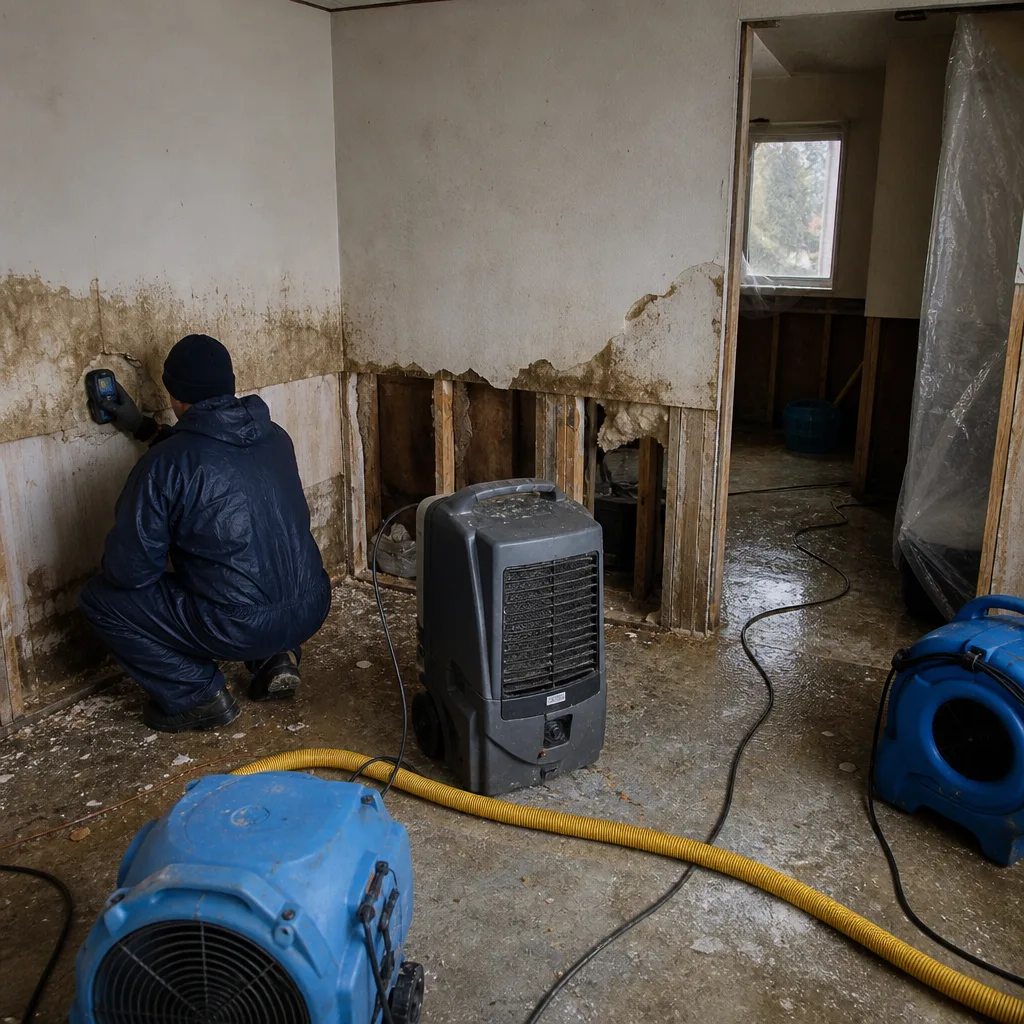
Nolan Pruett leads the Whitfield team, and the standard he’s set is simple: if it can’t be documented, it didn’t happen. We run Dri-Eaz dehumidifiers, Phoenix air movers, XPOWER blowers, and Injectidry cavity-drying systems. The Injectidry units are the real differentiator in Pomona’s older homes. Plaster-and-lathe walls hold water differently than drywall, and the only way to dry inside a wall cavity in a 1920s craftsman without tearing out the original plaster is a targeted injection system. That’s what we bring.
Membership in the RIA and IFA keeps us accountable beyond a one-time certification. We’re not a handyman with a shop vac. We’re a restoration contractor running the same brands insurance-preferred companies use, and we do it across three disciplines: water, mold, and fire. Same certified team, no handoffs.
Restoration work we handle
Flood Damage Restoration in Pomona
Flood damage restoration in Pomona usually arrives as one of two scenarios: a drainage failure that sends water under a pier-and-beam foundation, or a sudden plumbing rupture that floods a room in minutes. In the older neighborhoods around downtown and the east side, where homes sit on raised foundations, the floodwater doesn’t just soak flooring. It runs into the subfloor, where the dirt and wood absorb it for weeks unless it’s actively extracted and dried. A typical flood damage restoration job in Pomona runs $2,800 to $6,500 depending on square footage and what got wet.
Foundation and Subfloor Drying
Pier-and-beam foundations are common in Pomona’s pre-1950s housing. Water pools underneath, and the moisture wicks up through floor joists and hardwood. We pull standing water with truck-mounted extraction, then place air movers and dehumidifiers below the floor line. Injectidry systems work here too, pushing dry air through the subfloor cavity without tearing up flooring that can be saved.
Containment and Documentation
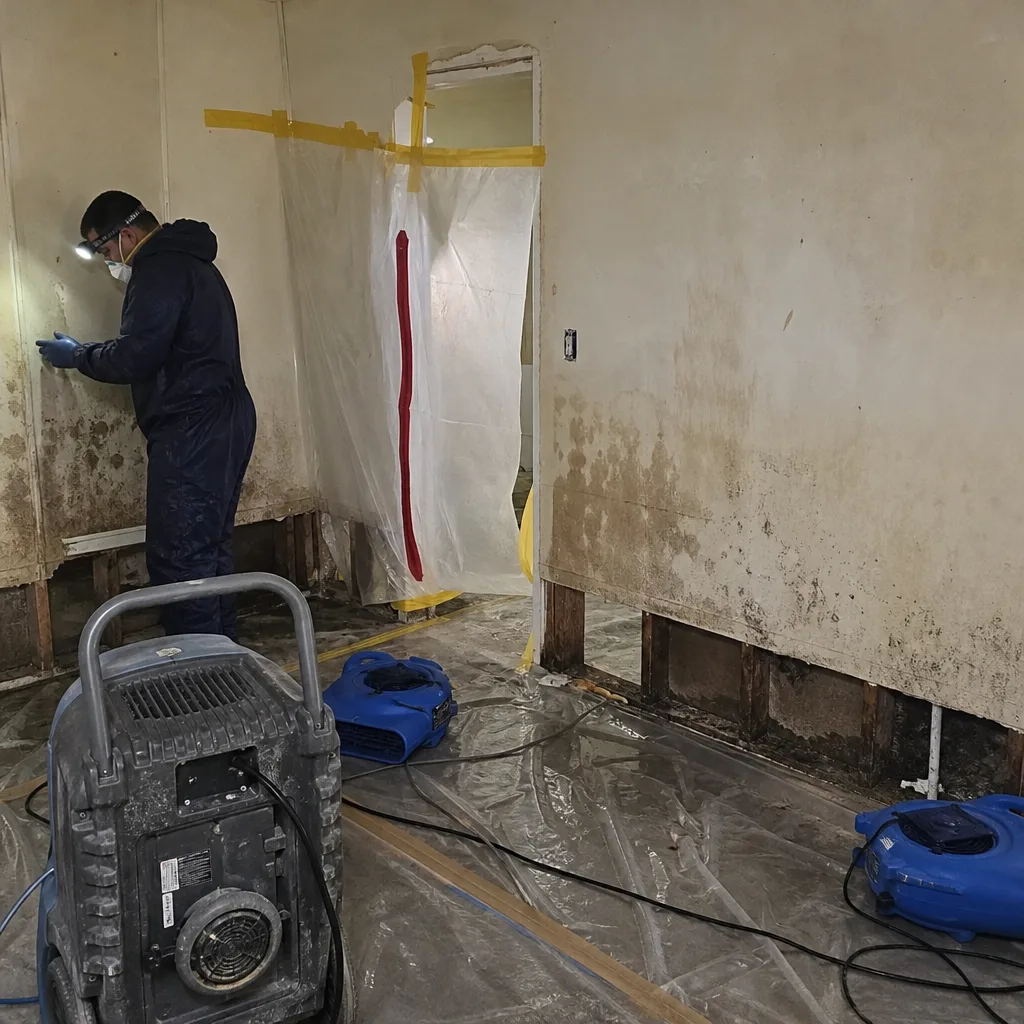
Floodwater in Pomona is rarely clean. It picks up whatever was on the ground: silt, ash from the last Santa Ana event, sometimes sewage. We set up containment before we start, so damp, contaminated air doesn’t migrate through the rest of the house. Every step gets photographed and logged. If you’re filing an insurance claim, you’ll have the documentation your adjuster expects.
Water Damage Cleanup in Pomona
Water damage cleanup in Pomona often means dealing with a leak that started months ago but only showed itself when a winter storm finally pushed it past the failure point. A homeowner near Lincoln Park calls us about a water stain on the ceiling, and the moisture meter shows the real problem is spreading through the wall cavity behind it. Cleanup in that situation involves extraction first, then controlled structural drying, then antimicrobial treatment of the framing. A standard water damage cleanup for a contained kitchen or bathroom leak in Pomona runs $1,200 to $3,400. Larger multi-room events range from $4,000 to $8,000 or more.
Hidden Moisture Detection
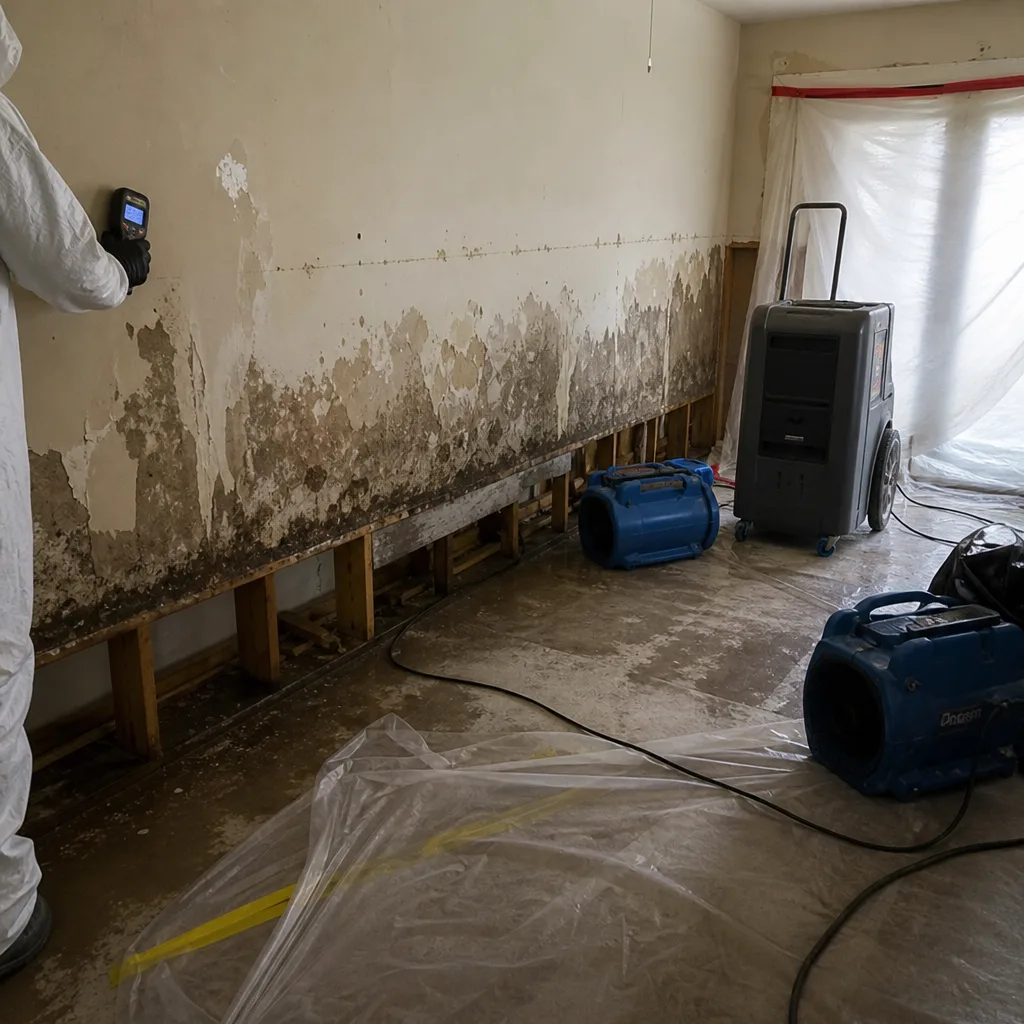
Older Pomona homes hide water damage behind plaster walls and under original hardwood. We use moisture meters and thermal imaging to track water migration that isn’t visible yet. The goal is to map the full extent of the damage before we write the scope, so you know exactly what you’re dealing with, not just what you can see.
Antimicrobial Treatment of Framing
Once materials are dry, the job isn’t done. Water that sat in wall cavities or under floors for months feeds mold and bacteria. We apply EPA-registered antimicrobials to exposed framing as part of the cleanup. This step is standard in our process, not an upsell. In Pomona’s older homes, where the wood framing is original and porous, it’s non-negotiable.
Trusted Brands We Service in Pomona
Pomona’s housing stock spans a century of construction, and that means we service equipment and systems from a lot of different eras. We work on homes with original galvanized supply lines, early copper, and modern PEX. We service pier-and-beam subfloors and slab foundations. We dry out plaster-and-lathe, drywall, and everything in between. The Dri-Eaz, Phoenix, XPOWER, and Injectidry equipment we run is matched to the job, not the other way around. Because we keep our fleet stocked and maintained, we can dispatch to Pomona without waiting on a rental house. That matters when you’re watching a water stain grow.
Common Water Damage Restoration Problems We See in Pomona Homes
- Galvanized pinhole leaks hidden in plaster walls. Original supply lines from the early 1900s through the 1950s corrode from the inside out. By the time a homeowner sees warped baseboards near downtown Pomona, the leak has usually been active for months.
- Santa Ana ash mixing with condensation in attics. Fine ash blows into attic spaces during wind events, then mixes with moisture from temperature swings. The result is an acidic film that settles on framing and ductwork, accelerating corrosion and creating a breeding ground for mold.
- Stucco cracks from hot, dry summers. Pomona’s intense heat bakes stucco until it cracks. When winter rain arrives, water seeps behind the stucco and into the wall cavity. Homeowners don’t notice because the exterior looks intact.
- Pier-and-beam subfloor saturation. Water from a burst pipe or exterior drainage failure runs under the house and stays there. Without active drying below the floor line, hardwood warps and floor joists start to rot. We see this regularly in the older sections of 91766 and 91768.
See the difference
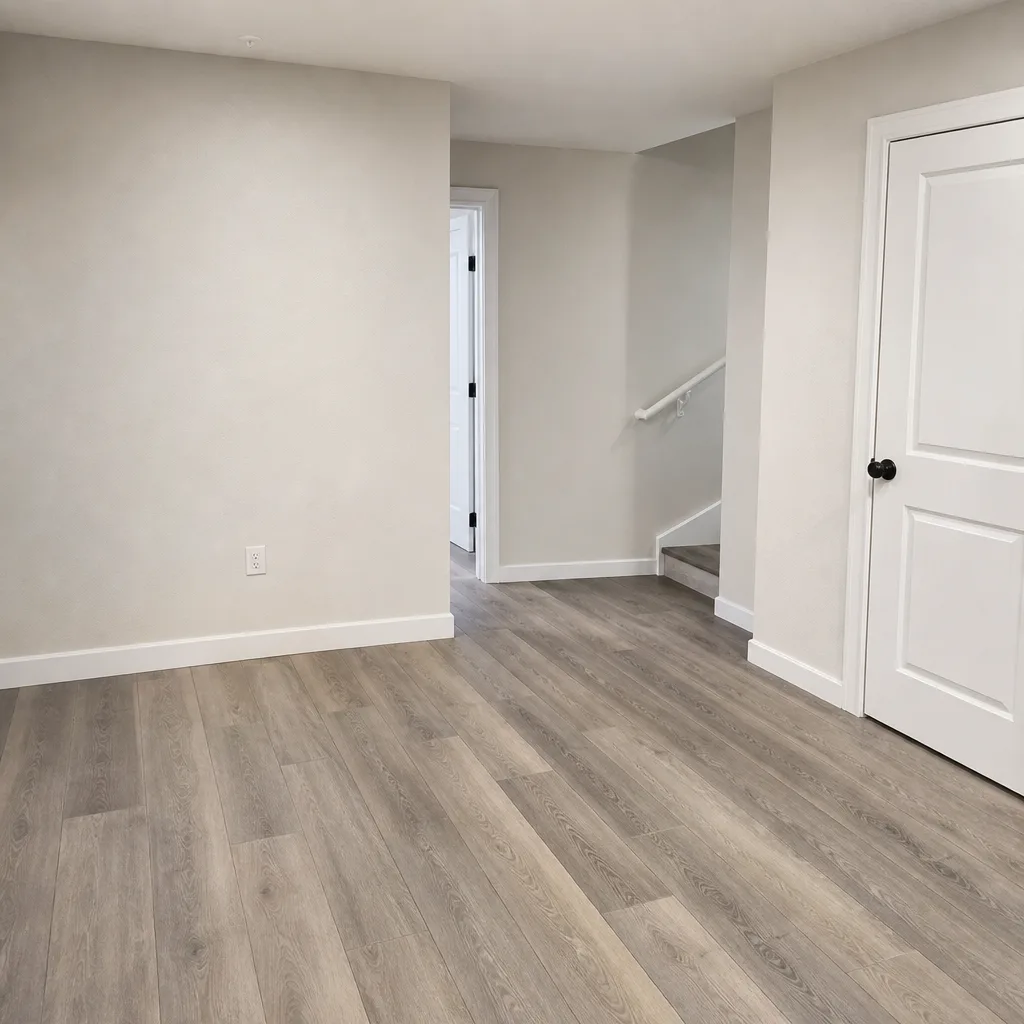
 Before
 After
 Before
 After
 Before
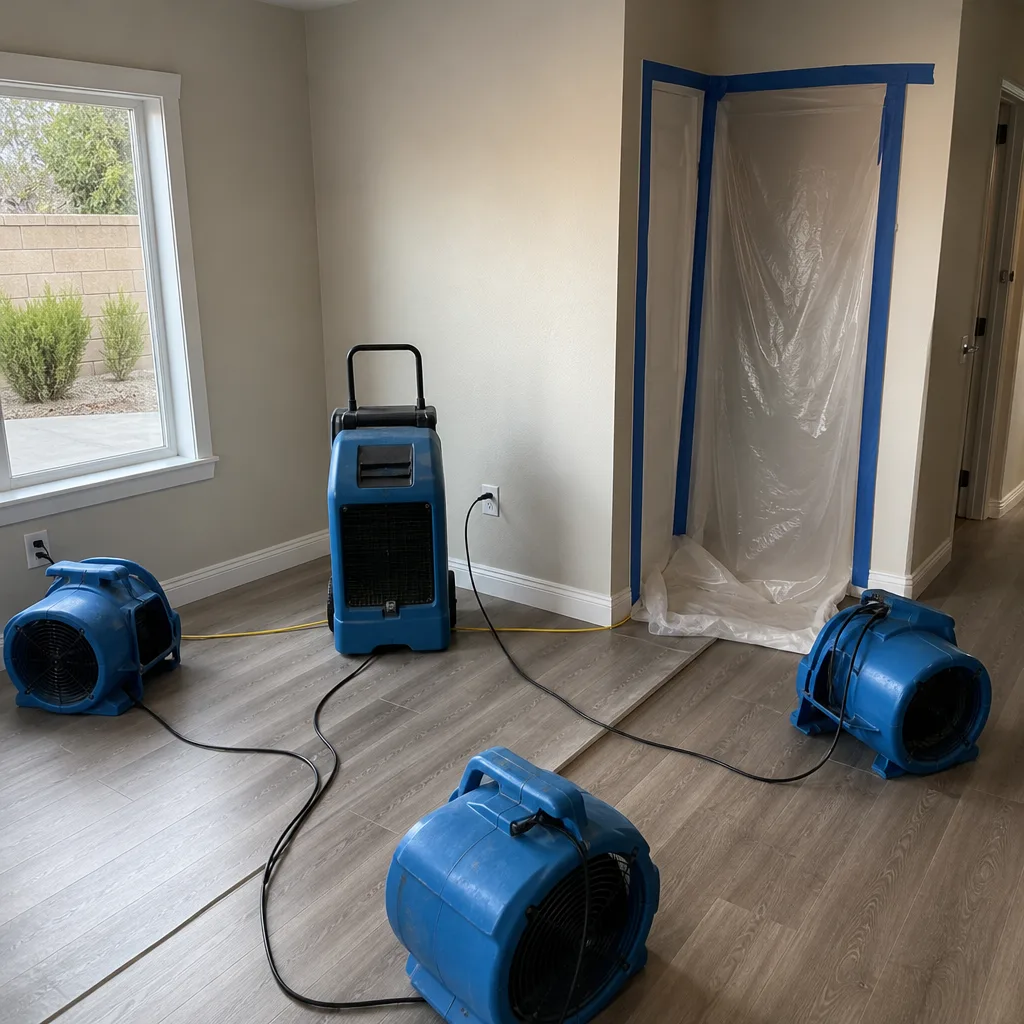 After
Pricing for Water Damage Restoration in Pomona, CA
We Also Serve Cities Near Pomona
Whitfield Water Damage runs crews into all the surrounding communities from our Victorville base. Our Water Damage Restoration team covers La Verne, Claremont, Montclair, and Los Serranos with the same IICRC-certified process we use in Pomona. If you’re in one of those cities and dealing with hidden water damage, the call is the same: (855) 382-0478.
Serving Pomona, CA — Our Local Coverage Area
We’re based in the Pomona area and know this community well. Use the map below to see our service coverage — if you’re nearby, we can almost certainly help.

FAQs About Water Damage Restoration in Pomona
How quickly can mold grow after water damage in Pomona’s older homes?
Mold can begin growing within 24 to 48 hours after water intrusion in Pomona’s older homes, especially in the humid microclimates created inside wall cavities and under pier-and-beam subfloors. The original wood framing in pre-1950s houses is particularly vulnerable because it absorbs moisture readily and dries slowly once wet. That’s why we treat water damage as an active mold prevention job, not just a drying job. Call (855) 382-0478 and we can assess whether mold is already present.
Why do water leaks in Pomona often go unnoticed until winter?
Pomona’s low annual rainfall means a slow leak from a pinhole in galvanized plumbing can drip for months without obvious signs. The water wicks into plaster, subflooring, and framing slowly, hidden behind original materials. When the first heavy winter storm hits, the added water pressure and saturation finally push visible staining and warping to the surface. By then, the damage has spread further than most homeowners expect.
What makes water damage restoration different in Pomona compared to coastal cities?
Coastal cities deal primarily with salt-air corrosion on exterior surfaces and floodwater from storm surge. Pomona’s water damage is different: the Santa Ana wind corridor drives fine ash into attics and HVAC systems, and the hot, dry climate cracks stucco, letting winter rain penetrate wall cavities. The housing stock here also predates modern building codes, which means original plumbing and plaster-and-lathe walls require different drying and remediation approaches than you’d use in a newer coastal home. We wrote more about this on our Water Damage Restoration in Pomona page.
Can you dry out water damage without tearing out plaster walls in a historic Pomona home?
Yes, in many cases we can. Injectidry cavity-drying systems push dry air directly into wall cavities through small openings, which lets us dry the inside of a plaster-and-lathe wall without removing the original plaster. This non-invasive structural drying is a core part of how we work in Pomona’s older housing stock. If the plaster itself is damaged beyond salvage, we’ll make that call transparently and show you the moisture data behind it.
How does Santa Ana wind ash affect water damage restoration in Pomona?
Santa Ana winds deposit fine ash into attics, wall cavities, and HVAC systems all across Pomona. When that ash mixes with condensation or a roof leak, it creates an acidic, abrasive moisture that corrodes metal components and encourages mold growth on wood framing. Restoration work here often includes cleaning ash contamination out of HVAC ducts and treating surfaces that have been exposed to that acidic moisture. Ignoring it means the mold problem comes back even after everything looks dry.
Call Whitfield Water Damage for Restoration in Pomona
If you’re dealing with water in a Pomona home, whether it’s a burst pipe near Cal Poly Pomona, a flooded basement in 91767, or a roof leak that showed up after the first winter storm, we’re ready to respond. Call (855) 382-0478 for a free estimate and a written scope. Nolan Pruett and the Whitfield team work to IICRC-certified drying standards with professional equipment that gets the job done right, documented, and ready for your insurance claim if you’re filing one. One certified team, all three disciplines: water, mold, and fire.
Written by Nolan Pruett, Owner at Whitfield Water Damage, serving Pomona and the surrounding San Gabriel Valley.