Last updated October 30, 2026
 Water damage drying
 Fire & smoke cleanup
 Mold remediation
 Storm response
 Sewage cleanup
 Reconstruction
Free visual inspection and a written scope of work before any mitigation begins - photos, moisture readings, and drying logs go in your claim file
The scope we write is the scope we bill. Anything new gets shown to you, in writing, before we touch it.
Get your free estimateDamage Restoration Cost Breakdown: The Victorville Homeowner’s Reference for 2026
The $3-per-square-foot restoration estimate that ranks at the top of Google was calculated on 2019 national averages. In Victorville in 2026, the drying equipment alone on a Category 2 water loss can exceed that figure before a single piece of drywall is touched. This guide dismantles the national-average pricing model and rebuilds it from local Victorville job data, current equipment day-rates, and the specific way the High Desert’s thermal envelope changes how long a structure takes to dry. You’ll learn exactly where your money goes, why two bids for the same job can differ by $4,000, and how to read an insurance adjuster’s line-item scope with an IICRC lens.
Restoration work we handle
Quick Answer
Water damage restoration in Victorville runs roughly $4.50 to $9.75 per square foot for a typical Category 2 or 3 loss in 2026, with total project costs landing between $2,800 and $14,000 depending on drying duration, affected square footage, and whether structural demolition is required. Mold remediation adds $2,000 to $8,000 depending on square footage and containment complexity, while fire and smoke restoration typically spans $5,000 to $25,000. The single biggest cost driver in Victorville is equipment day-rates multiplied by drying time, and the High Desert environment routinely extends drying beyond the 3 to 5 day benchmarks used in coastal California cost models.
Table of Contents
- Emergency Extraction: What the First 24 Hours Actually Cost
- Structural Drying: Equipment Rates and Why Duration Matters More Than Anything
- Antimicrobial Treatment and Mold Prevention Costs
- Demolition and Debris Hauling: Victorville Disposal Realities
- Rebuild Costs After Restoration
- The Insurance Gap: What Adjusters Scope Versus What IICRC Standards Require
- Certified Crew Versus Generalist: The Cost Difference Explained
- Victorville-Specific Cost Variables Most Guides Ignore
- Common Mistakes to Avoid
- When to Call a Professional
- Frequently Asked Questions
- The Bottom Line
Emergency Extraction: What the First 24 Hours Actually Cost
Emergency water extraction in Victorville costs between $350 and $900 for a standard room-scale loss, with whole-home floods running $1,500 to $4,000. This line item covers the truck-mounted extraction unit, the technician’s time, and immediate triage: identifying the water category, mapping the migration path, and determining where the water has wicked into wall cavities. The extraction phase is one of the few places where speed genuinely changes the final bill. Every hour water sits in porous materials, it migrates farther through capillary action, expanding the affected square footage that later requires drying and possibly demolition.
Here’s what a typical emergency extraction line item includes on a Victorville invoice:
- Truck-mounted extraction unit: $150 to $350 per hour, with most residential jobs requiring 2 to 4 hours of active extraction time.
- Moisture mapping and assessment: $100 to $250 for a documented survey using moisture meters and thermal imaging to map the affected perimeter.
- Containment setup: $100 to $300 for plastic sheeting and negative air pressure where contamination is present.
- After-hours dispatch fee: $100 to $250 when the call comes in outside business hours, which is most water damage calls.
In our experience serving Victorville and the surrounding High Desert communities, extraction is rarely where restoration bids get manipulated. The extraction price is competitive and visible. The real cost divergence starts in the next phase, when the question becomes how long equipment stays running.
Structural Drying: Equipment Rates and Why Duration Matters More Than Anything
Structural drying is where restoration costs in Victorville diverge sharply from national averages. The core formula is simple: equipment day-rate multiplied by days of runtime. What changes in Victorville is the second number. The Mojave Desert’s thermal envelope, characterized by extreme diurnal temperature swings and single-digit relative humidity during daylight hours, creates a moisture migration pattern that doesn’t behave like coastal California. Water inside wall cavities and subfloor spaces evaporates more slowly than ambient humidity readings would suggest, because the dry surface air causes materials to form a vapor barrier at the surface layer. This traps moisture underneath and extends drying timelines beyond the 3 to 5 day benchmarks that national cost calculators assume.
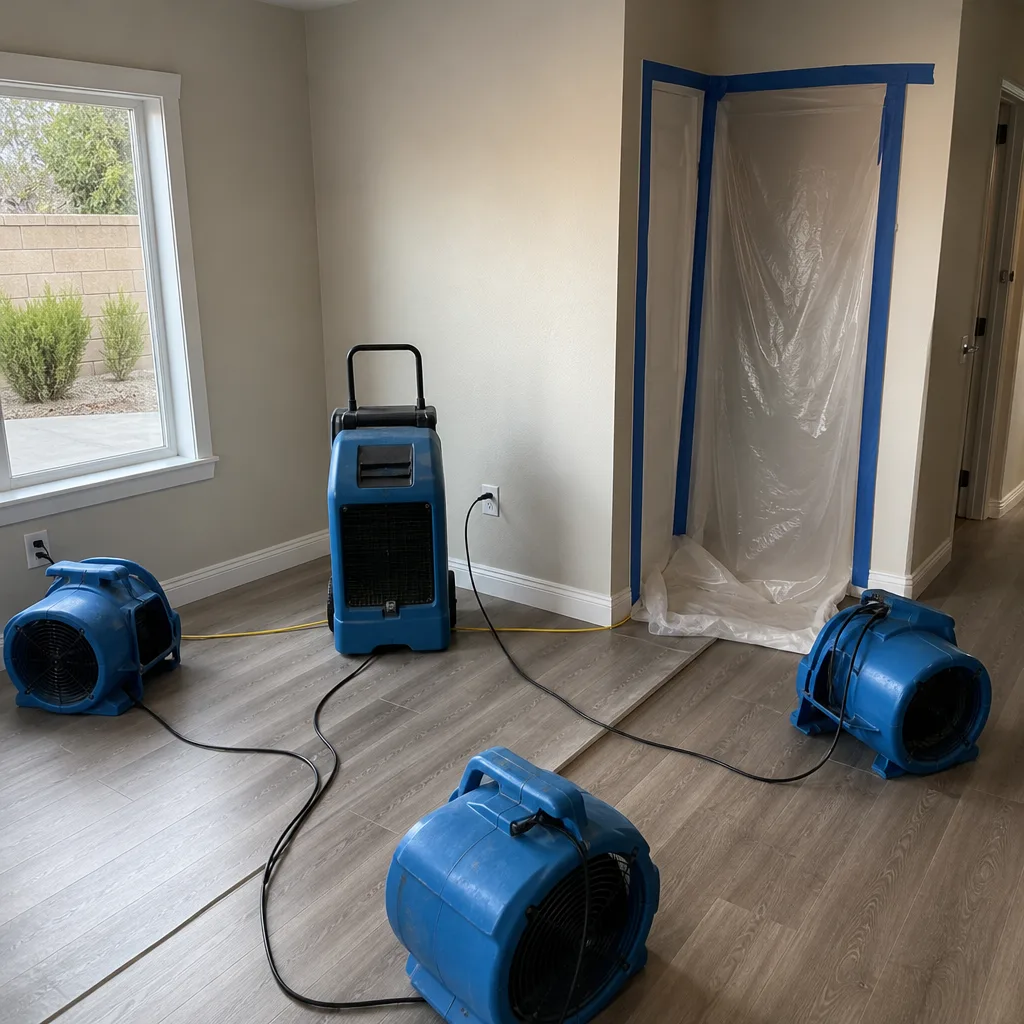
A typical structural drying setup on a 400-square-foot water loss in Victorville includes:
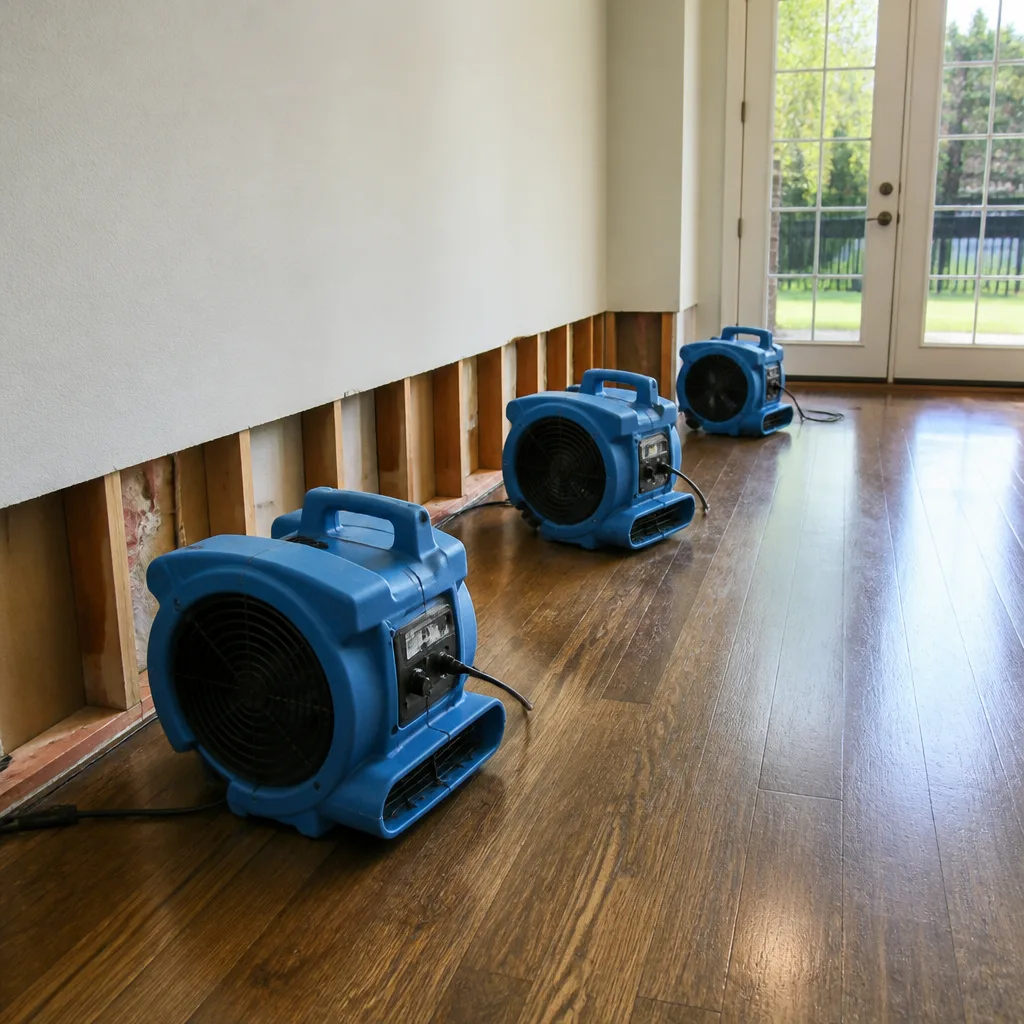
- LGR (Low Grain Refrigerant) dehumidifiers: Dri-Eaz and Phoenix units run $65 to $110 per day per unit, with most jobs requiring 2 to 3 units.
- High-velocity air movers: XPOWER and B-Air blowers run $25 to $40 per day each, with 6 to 12 units positioned to create cross-flow across affected surfaces.
- Injectidry cavity drying: Where water has wicked into wall cavities or under flooring, Injectidry systems run $150 to $300 per day for the manifold and hose network, but this non-invasive structural drying approach often eliminates entire demolition line items.
- Daily monitoring visits: $75 to $150 per visit for moisture readings, equipment adjustments, and documentation updates.
Run that equipment for 4 days and you’re looking at roughly $1,400 to $2,800 in equipment costs alone. Extend to 7 days because of the High Desert surface-sealing effect, and that line item doubles. This is where the national-average $3-per-square-foot estimate collapses in Victorville. The estimate assumes 3 drying days with minimal equipment. Real Victorville jobs, especially those involving stucco-over-frame construction where moisture hides behind non-breathable exterior cladding, routinely need 5 to 9 days of active drying.
Antimicrobial Treatment and Mold Prevention Costs
Antimicrobial application after water extraction costs $0.50 to $1.50 per square foot of affected area in Victorville. On a 400-square-foot loss, that’s $200 to $600. The treatment itself is not the expensive line item. What costs money is the containment and air filtration required when microbial growth is suspected or when the water category is 2 or 3, meaning contaminated water from sources like washing machine overflows, toilet overflows, or exterior flooding.
Standalone mold remediation, distinct from preventative antimicrobial treatment, carries its own cost structure in Victorville:
- Initial mold assessment and scope: $300 to $600 for a documented inspection identifying affected square footage and source moisture.
- Containment setup: $500 to $1,500 for full-containment chambers with negative air pressure on larger remediation jobs.
- HEPA air scrubbers: $75 to $125 per day per unit during active remediation.
- Source removal and remediation: $2.50 to $6.50 per square foot for porous material removal, depending on accessibility and whether wall cavities are involved.
- Post-remediation verification: $200 to $400 for clearance testing.
For Victorville homeowners, the mold-prevention question is really a drying-duration question. Mold requires sustained moisture. The longer the drying phase runs, the higher the probability that microbial growth begins. This is the strongest argument for professional-grade drying equipment on day one rather than box fans and hope. An IICRC-certified drying protocol with LGR dehumidifiers and proper air movement reaches dryness thresholds faster and keeps antimicrobial treatment in the preventative range rather than the remediation range.
For a deeper look at how mold remediation pricing works in the Inland Empire, our mold remediation guide for Jurupa Valley explains the same cost structure with that market’s specific variables.
Demolition and Debris Hauling: Victorville Disposal Realities
Demolition costs in Victorville water damage jobs run $1.50 to $3.50 per square foot for drywall and flooring removal, excluding debris hauling. The line item itself is straightforward. What surprises homeowners is the hauling and disposal fee, because San Bernardino County’s landfill tipping fees and the distance from the High Desert to disposal sites create a transportation cost that coastal markets don’t face.
Demolition line items typically include:
- Selective demolition: $1.50 to $3.50 per square foot for cutting and removing wet drywall, baseboards, insulation, and flooring to expose framing and substructures.
- Debris hauling: $200 to $600 per load in the Victorville area, with larger losses requiring multiple loads. The Victorville landfill accepts construction debris, but mixed loads with wet materials often get classified differently, and dimensional lumber from framing demolition changes the per-ton rate.
- Dumpster rental: $350 to $600 for a 20-yard roll-off when the job scope exceeds a single truckload, which most whole-room losses do.
Here’s where the Injectidry non-invasive structural drying approach changes the math. If water has wicked into wall cavities below the flood line but the drywall face is intact and shows no signs of deterioration, Injectidry cavity drying systems pull moisture out through small access points rather than requiring full drywall removal. The demolition line item shrinks from $1,500 to $300. The rebuild line item disappears entirely. The equipment day-rate increases, but the total job cost usually drops by 20 to 35 percent when compared to full tear-out and rebuild. This is a core part of the Whitfield Water Damage approach to restoration, and it’s one of the reasons our estimates often look different from franchise crews that default to demolition-first protocols.
Rebuild Costs After Restoration
Rebuild costs after restoration in Victorville run $4 to $12 per square foot for standard finishes, with kitchens and bathrooms pushing toward the higher end. This line item includes drywall replacement, texture matching, paint, baseboards, and flooring. It typically represents 40 to 60 percent of the total project cost once drying and demolition are complete.
Victorville rebuild variables to understand before signing a restoration contract:
- Texture matching: Most High Desert homes built in the 1980s through 2010s use knockdown texture or orange peel patterns. Matching these textures across a repair line is a skilled trade, and the cost difference between a seamless match and a visible patch line is $1 to $2 per square foot.
- Stucco exterior repairs: When water damage involves exterior walls, Victorville stucco systems require patching that matches existing color and texture. Stucco repair runs $6 to $10 per square foot and often requires a separate contractor unless the restoration company coordinates it in-house.
- Flooring underlayment: High Desert slab foundations mean most Victorville homes sit on concrete, and when flooring is removed, the slab must be cleaned, sealed, and moisture-tested before new flooring goes down. Slab moisture testing and sealing runs $300 to $800 depending on the affected area.
One critical issue in Victorville specifically: permit requirements through San Bernardino County. Reconstruction work that involves structural elements, electrical, or plumbing typically requires permits, and the county’s permit office in Hesperia handles Victorville applications. Permit fees for a standard water damage rebuild typically run $200 to $800, but the larger cost is time, since permit approval can add 1 to 3 weeks to a rebuild timeline. Many restoration bids omit permit costs upfront, which creates a surprise line item later. Ask any restoration contractor in Victorville whether their rebuild scope includes permits before you sign. For more details, see our guide on Damage Restoration Permits, Codes & Inspections in CA: What You Need to Know.
The Insurance Gap: What Adjusters Scope Versus What IICRC Standards Require
The gap between what an insurance adjuster writes on a scope and what IICRC standards actually require is where Victorville homeowners lose thousands of dollars every year. Adjusters are trained to contain costs. IICRC standards are written around restoration outcomes. When those two priorities conflict, the adjuster’s scope usually wins the first round, and the homeowner discovers the shortfall months later when mold appears behind a wall that was inadequately dried.
Common insurance scope gaps in Victorville water damage claims:
- Underestimated drying days: Adjusters often scope 3 drying days based on national software defaults. Victorville jobs, as discussed, routinely require 5 to 9 days. When equipment gets pulled at day 3 because the adjuster won’t approve more, drying is incomplete, and the homeowner inherits a moisture problem.
- No Injectidry line item: IICRC protocols call for cavity drying where moisture has wicked into wall interiors. Many adjusters scope demolition instead, because demolition is a one-time line item while Injectidry is a daily rate. The homeowner ends up with a bigger rebuild bill and a longer displacement period.
- Missing antimicrobial application: On Category 2 water losses, IICRC standards require antimicrobial treatment on affected surfaces. Adjusters sometimes omit this line item on cosmetic drywall that “looks fine.” Moisture behind that drywall tells a different story.
- Post-remediation verification omitted: After mold remediation, IICRC standards call for post-remediation verification, including clearance air sampling for larger losses. Adjusters sometimes scope the remediation but not the verification, leaving the homeowner with no documentation that the job was done correctly.
The single most valuable thing a Victorville homeowner can do in a water damage claim is have an independent scope written by an IICRC-certified restoration contractor before signing the adjuster’s settlement. For Damage Restoration Warning Signs: A Victorville Homeowner’s Reference Guide, review your property regularly. That scope becomes the benchmark against which the adjuster’s numbers are compared, and it gives you documented leverage when the adjuster’s drying-day estimate is half of what the High Desert climate actually requires.
This same gap appears in fire restoration claims, where smoke sealant and thermal fogging line items often get reduced or eliminated. Our fire damage restoration guide for Jurupa Valley covers how to negotiate that scope specifically.
Certified Crew Versus Generalist: The Cost Difference Explained
An IICRC-certified restoration crew in Victorville charges 20 to 40 percent more than a generalist handyman with rental fans, and that price difference is the cheapest insurance policy you’ll ever buy. The math matters here, because the cheaper crew often produces a more expensive outcome. Here’s the comparison:
| Line Item | Generalist with Box Fans | IICRC-Certified with Pro Equipment |
|---|---|---|
| Extraction | $150-$300 (wet vac) | $350-$900 (truck-mounted unit) |
| Drying equipment | $50-$100 (rental fans) | $1,400-$2,800 (Dri-Eaz/Phoenix LGRs + XPOWER/B-Air air movers) |
| Drying duration | 7-14 days, often incomplete | 4-7 days to verified dryness |
| Moisture documentation | None | Daily readings, drying logs, final verification |
| Antimicrobial application | Often skipped | Included per IICRC protocol |
| Six-month mold risk | Elevated | Minimal |
| Insurance claim compatibility | Poor – adjusters often reject invoices | Documented to insurance standards |
The generalist’s lower upfront price evaporates when the wall cavity mold appears in month three, when the insurance claim gets denied because drying logs don’t exist, or when the rebuild has to be redone because the first drying attempt failed. In Victorville specifically, where summer temperatures can push 110 degrees and accelerate mold growth in damp materials, incomplete drying is a compounding liability. The moisture that didn’t get extracted in week one becomes a remediation job by week six.
IICRC certification matters because it’s a process standard, not a marketing phrase. Certified technicians follow a science-based protocol for moisture mapping, psychrometric calculations, and drying chamber management. The RIA and IFA memberships add professional accountability. When a restoration contractor’s work is documented to these standards, insurance adjusters process claims faster, and the documentation survives scrutiny. When it’s not, the homeowner is left negotiating from a position of no leverage.
Victorville-Specific Cost Variables Most Guides Ignore
National restoration cost guides ignore the logistics of doing restoration work in the High Desert. Here are the Victorville-specific variables that show up on real invoices and never make it into generic pricing articles.
Mobilization distance from the Inland Empire contractor pool. Victorville sits at the northern edge of the Inland Empire’s restoration service area. Many restoration companies are based in Ontario, Rancho Cucamonga, or Riverside, and they treat Victorville as an edge-market with added trip charges. Mobilization fees of $150 to $450 per visit are common when the contractor isn’t local. Over a week of daily monitoring visits, that’s a $1,000+ line item that doesn’t exist for jobs in Rancho Cucamonga. A local Victorville restoration company eliminates that surcharge.
San Bernardino County permit requirements. Victorville falls under San Bernardino County’s building jurisdiction, and any restoration work involving structural repairs, electrical, or plumbing triggers permit requirements. The county’s permit review process adds 1 to 3 weeks to rebuild timelines, which extends displacement periods and can add temporary housing costs. Permit expediting services, which some restoration companies offer, run $200 to $500 per permit.
High Desert thermal envelope effects on drying. The Mojave Desert’s temperature swings, routinely 30 to 40 degrees between day and night, create condensation cycles inside wall cavities that don’t occur in more temperate zones. The IICRC standard drying benchmarks were developed across a range of climates, but the High Desert’s extremes push jobs toward the longer end of those ranges. A drying chamber that hits equilibrium during a 105-degree day can see moisture re-release from materials overnight as temperatures drop into the 60s.
Water quality and hardness in Victorville. Victorville’s municipal water supply is hard, with high mineral content. When that water floods into drywall and flooring, the dissolved minerals remain behind after the water evaporates, creating residue that can affect adhesion of subsequent treatments and requiring additional cleaning before rebuild. This is a small line item, $150 to $400 on a typical job, but it’s one more example of how a Victorville job differs from a coastal one.
Debris hauling distance. San Bernardino County’s landfill network serves a massive geographic area, and Victorville’s distance from the county’s central transfer stations adds hauling time and fuel surcharges to every debris run. Contractors who include “standard hauling” in their bid may be losing money on Victorville jobs, which is why some add explicit Victorville surcharges to the line item.
For a comparison of how these variables play out in a nearby market, our water damage restoration guide for Jurupa Valley covers similar cost dynamics with that city’s different infrastructure and regulatory environment.
Common Mistakes to Avoid
- Accepting the adjuster’s first scope without an independent review. Adjusters work for the insurance company, not for you. Have an IICRC-certified contractor review the scope before you sign, specifically checking drying days, antimicrobial line items, and whether cavity drying is included.
- Choosing the cheapest bid on a water damage job. The cheapest bid usually means less equipment, shorter drying times, or skipped documentation. Any of those three outcomes costs more in the long run.
- Waiting to call after a water damage event. Every 24 hours that passes without professional extraction and drying increases the migration area and the probability of mold. In Victorville’s summer heat, that timeline compresses.
- Signing a rebuild contract without clarity on permits. Ask whether permit costs are included and who pulls them. If the contractor says permits aren’t needed for work that involves structural elements, get another opinion.
- Assuming single-digit humidity means fast drying. Victorville’s dry air creates a surface seal on wet materials that slows interior drying. Professional drying chambers create a controlled environment that works differently from ambient desert air.
- Not documenting everything for insurance. Photograph everything before, during, and after. Restoration companies that document to insurance standards make claims move faster, but your own photos are your fallback.
- Ignoring post-remediation verification. After mold remediation, demand clearance testing. The absence of visible mold does not mean the absence of mold in the air, especially after a High Desert drying cycle that may have been incomplete.
When to Call a Professional
Call a restoration professional immediately when water has been sitting for more than 2 hours, when the water source is contaminated like a toilet overflow or exterior flood, when water has wicked into walls or under flooring, or when you see visible mold growth. For preparation tips, read our Damage Restoration Emergency Preparedness Guide for Victorville Homes. These scenarios involve moisture in hidden spaces, and the equipment needed to dry those spaces properly costs more to rent than the professional service does to deploy. In Victorville especially, where the heat accelerates mold kinetics, the window between “wet but salvageable” and “remediation required” is narrower than in cooler climates. Whitfield Water Damage offers free estimates in Victorville, with IICRC-certified technicians and professional-grade drying equipment on every job. Call (855) 382-0478 to get an assessment before you commit to any contractor’s numbers.
Frequently Asked Questions
Water damage restoration in Victorville typically costs $4.50 to $9.75 per square foot in 2026, with a typical 400-square-foot loss running $2,800 to $8,000 including extraction, drying, antimicrobial treatment, and minor repairs. The final number depends heavily on how long drying equipment must run, which in Victorville often extends beyond the 3 to 5 day national benchmark. Call (855) 382-0478 for an exact quote on your specific loss.
Victorville restoration costs exceed national averages because the High Desert’s thermal envelope extends drying times, mobilization from Inland Empire contractor hubs adds trip fees, and San Bernardino County permit requirements lengthen rebuild timelines. National cost calculators rarely account for the surface-sealing effect of desert air on wet building materials, which is one of the biggest drivers of extended equipment day-rates in Victorville.
Most homeowners insurance policies cover sudden and accidental water damage, such as burst pipes or appliance failures, but exclude gradual leaks and flood damage unless you have a separate flood policy. What insurance covers depends on your policy language and how the damage is documented. An IICRC-certified scope with photo documentation and drying logs gives adjusters what they need to process claims cleanly, and it often makes the difference between a covered claim and a denied one.
Structural drying in Victorville typically takes 5 to 9 days, compared to 3 to 5 days in coastal California climates, because the High Desert’s extreme temperature swings cause condensation cycles inside wall cavities that slow moisture release. Equipment must run continuously during this period, which multiplies day-rates and makes drying duration the single biggest cost driver on Victorville restoration invoices.
An IICRC-certified restoration company costs 20 to 40 percent more upfront than a generalist with rental fans, but the certified approach includes industrial LGR dehumidifiers, cavity drying where needed, antimicrobial application, and documentation to insurance standards. The generalist’s lower price often leads to incomplete drying, mold growth months later, and an insurance claim that gets rejected for lack of documentation.
Permits are required in Victorville when restoration work involves structural repairs, electrical work, or plumbing changes, with permit fees typically running $200 to $800 through San Bernardino County. The bigger cost of permits is time, since county review can add 1 to 3 weeks to rebuild timelines. Confirm whether your restoration contractor’s bid includes permit costs and coordination before work begins.
The Bottom Line
Victorville restoration costs in 2026 are not the national averages. They’re built on local drying physics, San Bernardino County logistics, and the quality of the contractor doing the work. A realistic water damage budget is $4,500 to $9,750 per square foot affected, with mold remediation and fire restoration running their own ranges. The decisions that control your final cost are the decisions you make in the first 24 hours: which contractor you call, what equipment gets deployed, and whether the drying protocol meets IICRC standards or merely looks like it does. Choose a certified crew with professional-grade equipment and documented process, and the restoration cost becomes a claim line item instead of a long-term liability. Call Whitfield Water Damage at (855) 382-0478 for a free Victorville estimate, and get a scope written to IICRC standards before you accept anyone’s numbers. Explore more guides & resources on our blog.
Written by the team at Whitfield Water Damage, serving Victorville since 2011.
See the difference
 Before
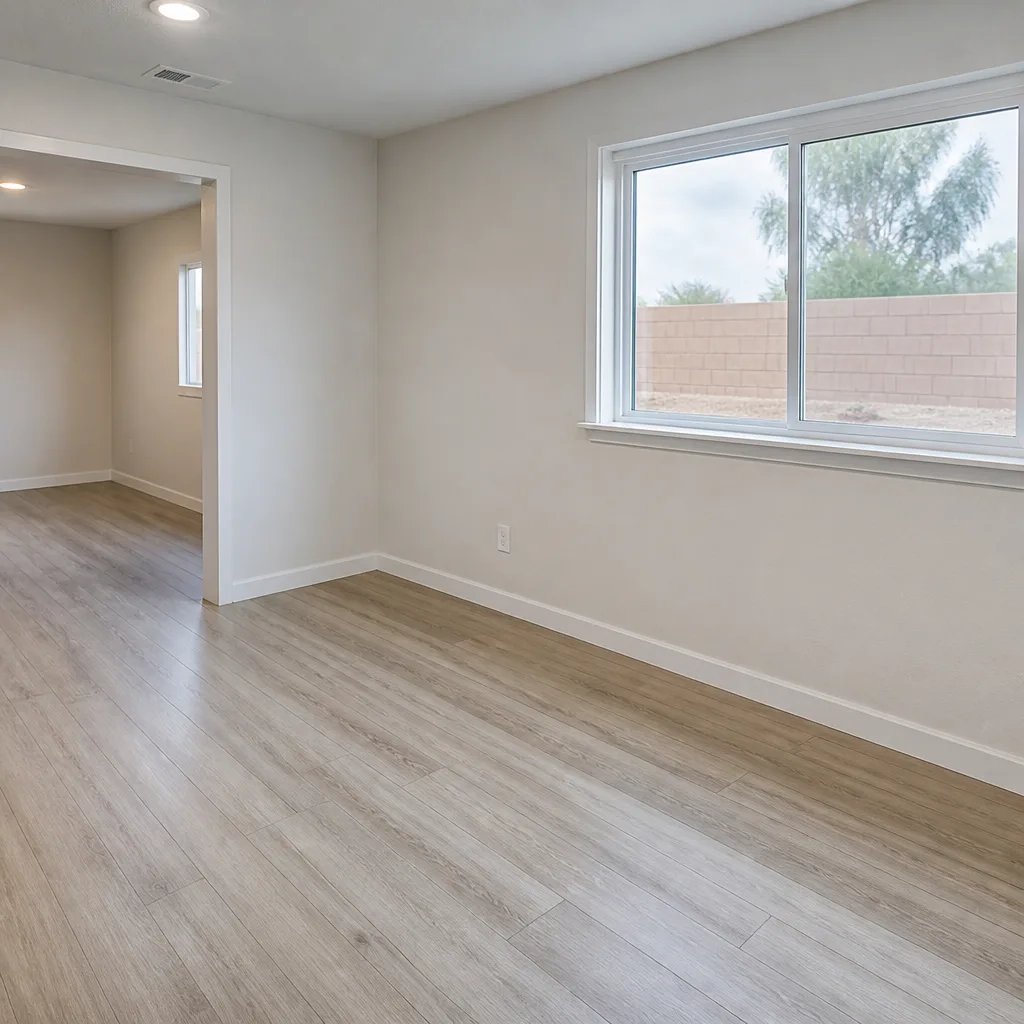 After
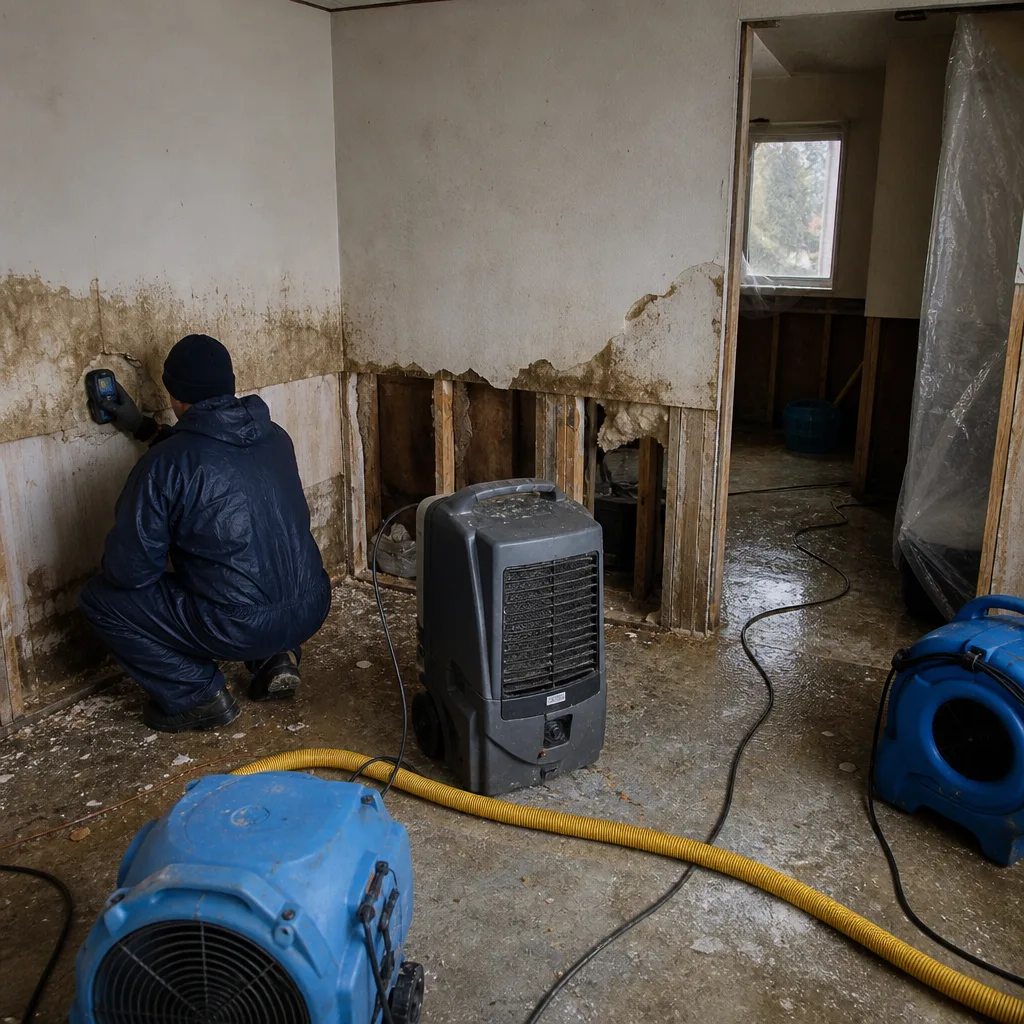 Before
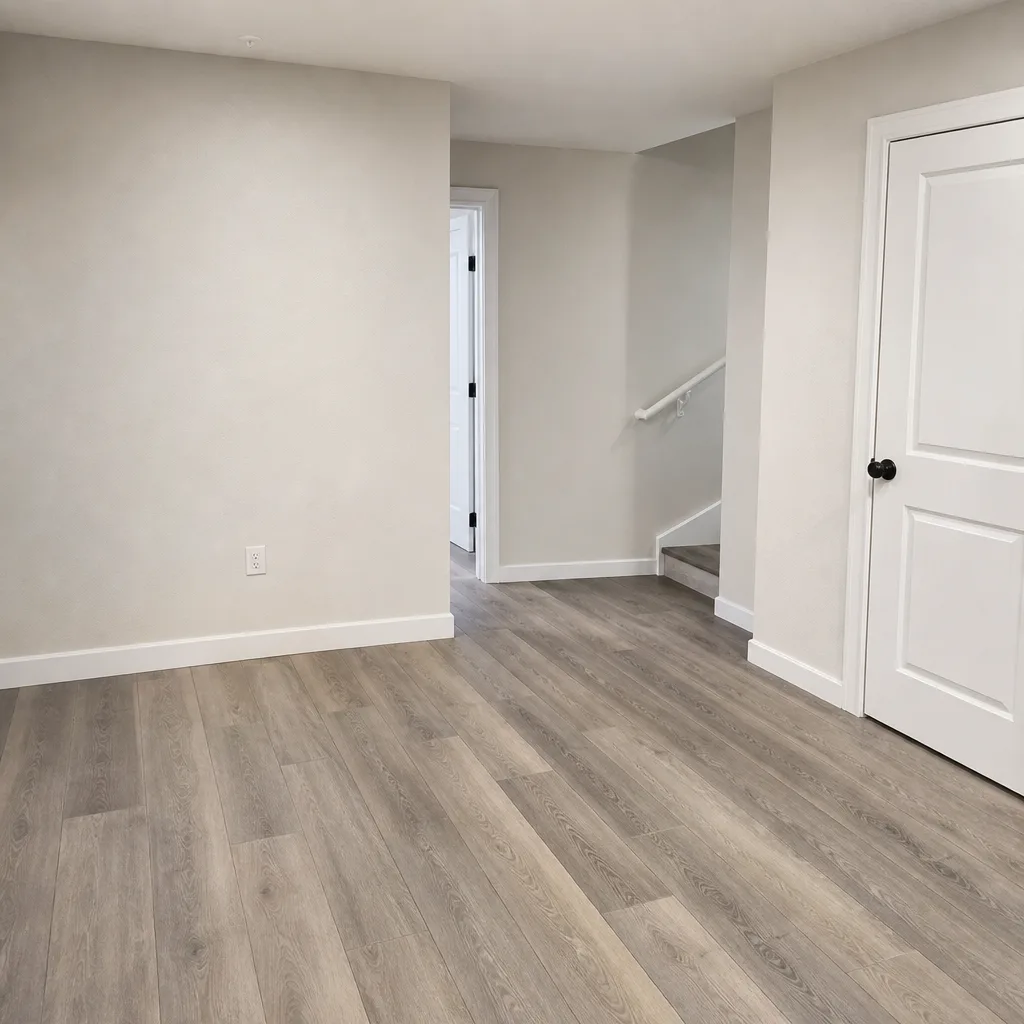 After
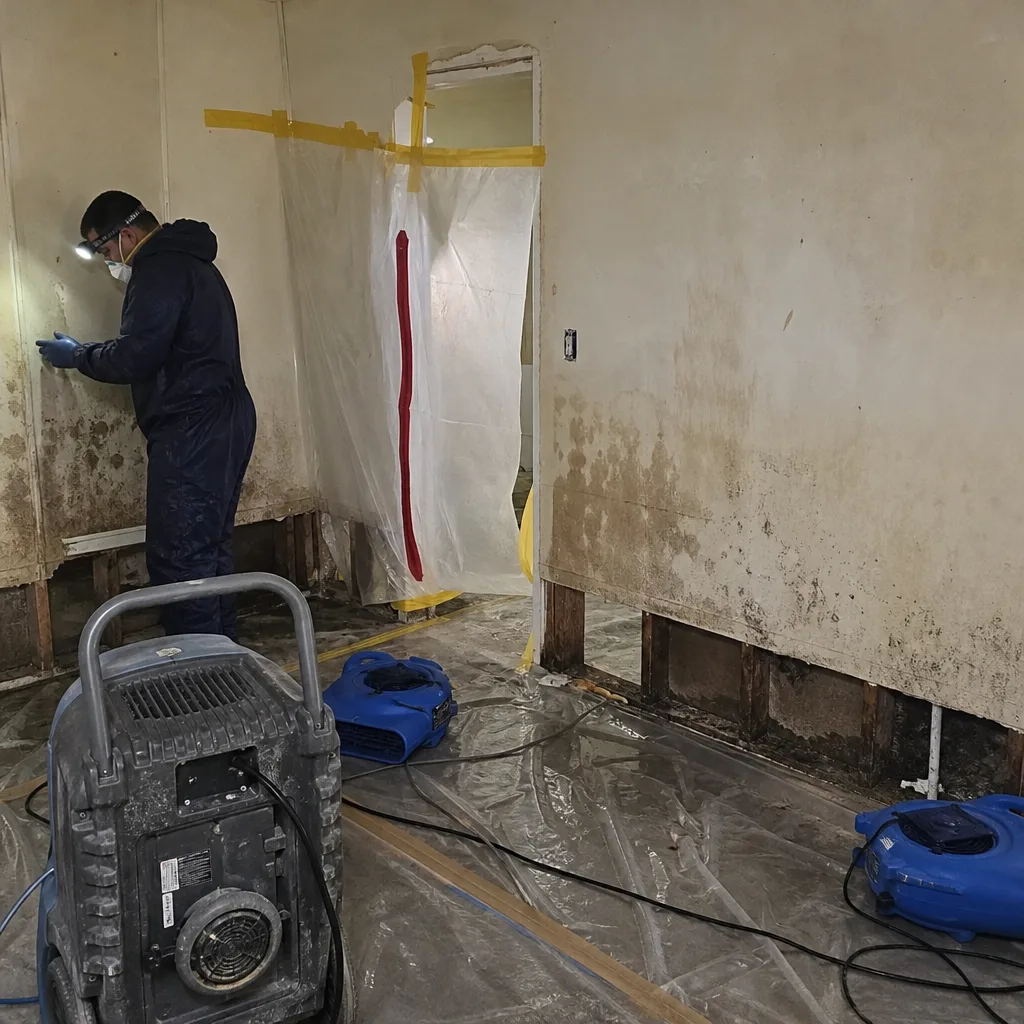 Before
 After