Last updated October 30, 2026
 Water damage drying
 Fire & smoke cleanup
 Mold remediation
 Storm response
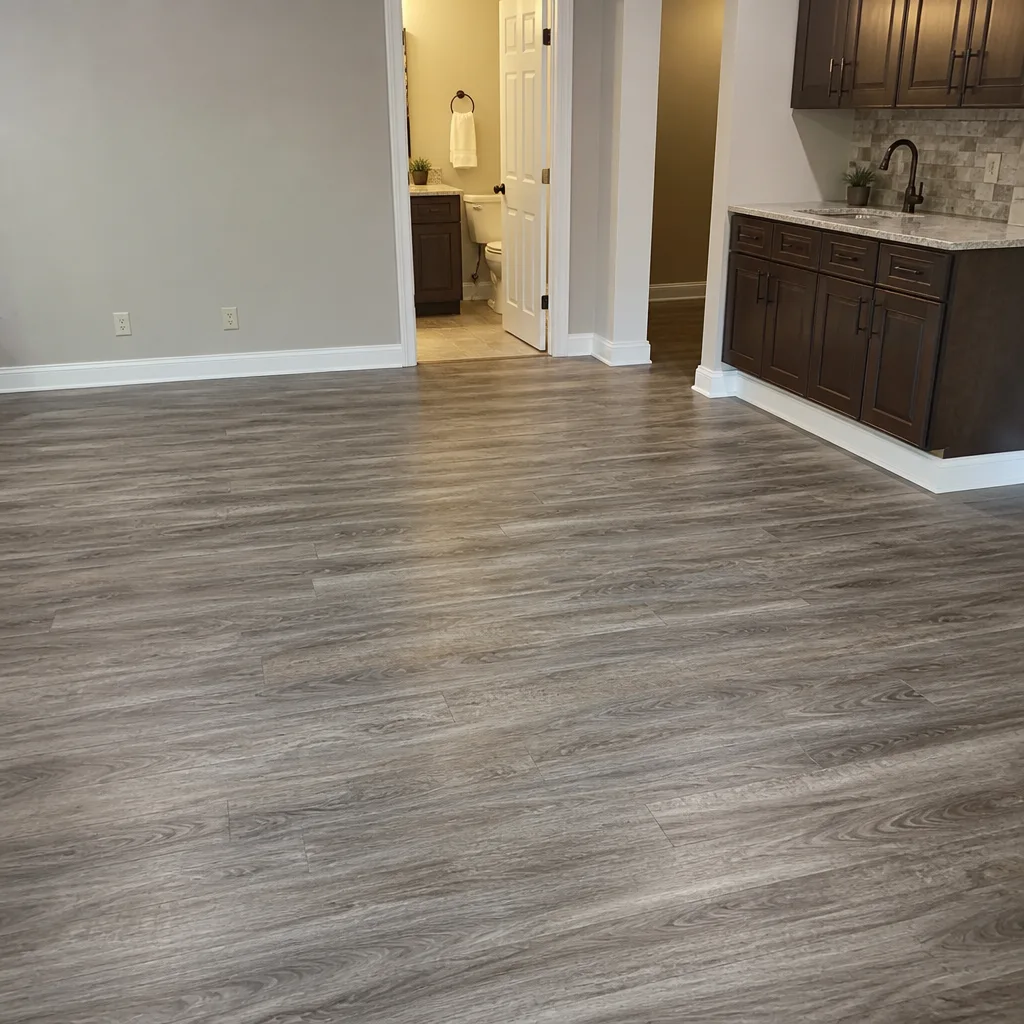 Sewage cleanup
 Reconstruction
Free visual inspection and a written scope of work before any mitigation begins - photos, moisture readings, and drying logs go in your claim file
The scope we write is the scope we bill. Anything new gets shown to you, in writing, before we touch it.
Get your free estimateThe Complete Guide to Damage Restoration in Victorville
Most water damage guides floating around the internet were written for humid coastal climates, and that’s a problem if you live in the High Desert. The evaporation rates, drying timelines, and mold risk thresholds they quote are wrong for Victorville by a factor that can add thousands of dollars to a restoration job or, worse, leave hidden moisture trapped in your walls while everything looks dry on the surface. This guide walks through the full restoration process the way it actually works in Victorville, from the first panicked phone call to final clearance testing, mapped against the specific building stock, climate physics, and construction patterns of the High Desert. For a deeper dive, see The Complete Water Damage Restoration Guide for Victorville Homeowners. By the time you finish reading, you’ll understand what a proper damage restoration job requires in this city and how to avoid the shortcuts that cost homeowners real money.
Restoration work we handle
Quick Answer
Damage restoration in Victorville means responding to water intrusion, mold growth, or fire and smoke damage using protocols calibrated for the High Desert’s unique climate, and the single most important variable is whether your restoration contractor follows IICRC-certified drying standards rather than guessing based on surface readings. In this city’s low-humidity environment, materials routinely feel dry while wall cavities and subfloor spaces still hold enough moisture to support mold growth or compromise structural integrity. A complete restoration involves emergency extraction, professional-grade drying with documented moisture readings, containment where needed, and final clearance testing to verify the structure is actually dry, not just dry to the touch.
Table of Contents
- Why Victorville Is Different: Climate Physics and Restoration
- Common Damage Scenarios in Victorville Homes
- The Restoration Timeline: What to Expect Day by Day
- The IICRC S500 Standard: What Drying Validation Actually Requires
- Construction Types and Water Migration: Stucco, Slab, and Everything Between
- Mold in the High Desert: The False Security of Low Humidity
- Fire and Smoke Restoration in Victorville
- The Equipment That Actually Matters
- Common Mistakes to Avoid
- When to Call a Professional
- Frequently Asked Questions
- The Bottom Line
Why Victorville Is Different: Climate Physics and Restoration
Victorville sits at roughly 2,700 feet elevation in the Mojave Desert, which means the air here is doing something restoration textbooks written for Anaheim or Houston never account for. Relative humidity regularly drops below 20 percent, especially during the summer months when temperatures push past 100 degrees. That dry air pulls moisture out of exposed surfaces aggressively, which sounds like a gift during a water emergency but creates a specific problem: the surface layer of drywall, flooring, or framing dries so quickly that it masks what’s still happening behind it. We’ve seen water damage in Victorville homes where the visible wall face read 8 percent moisture content while the cavity behind it held 28 percent, plenty wet enough to support mold growth and decay organisms.
The second climate factor people overlook is the temperature swing. Victorville can see a 30-degree difference between day and night, and that cycle creates thermal pumping within wall cavities. Warm air expands, cool air contracts, and trapped moisture gets pushed deeper into porous materials rather than evaporating outward. Add in the wind, which can blow steadily at 20 to 30 mph through the Cajon Pass and across the Victor Valley, and you get a situation where exterior damage accelerates while interior drying calculations get complicated by negative air pressure. A restoration contractor who doesn’t understand these local conditions will follow the standard playbook and stop drying once the surface reads dry, leaving the actual problem festering inside the wall.
The takeaway: restoration in Victorville is not a generic process. It requires equipment choices, drying chamber setups, and moisture monitoring schedules calibrated for an arid, windy, high-elevation desert environment. That’s the difference between a crew that gets it and a crew that reads the same manual as everyone else.
Common Damage Scenarios in Victorville Homes
Every city has its signature damage profile, and Victorville’s is shaped by three things: the age of the housing stock, the prevalence of slab foundations, and the specific ways the High Desert climate stresses plumbing and building envelopes. Here are the scenarios we see most often.
1. Slab Leaks and Copper Pipe Failures
Victorville has a significant number of homes built between the 1960s and early 1990s, and many of those ran copper supply lines through or under the slab. High desert soil shifts with temperature extremes and moisture changes, and copper embedded in that soil eventually corrodes, develops pinhole leaks, or cracks entirely. The water migrates upward through the slab, into flooring, and then wicks up walls through baseplates. By the time a homeowner notices a warm spot on the floor or a spike in the water bill, the slab has often been leaking for weeks or months. These jobs require moisture mapping across the entire floor plan, targeted extraction under flooring, and drying strategies that address the slab itself, which holds water differently than wood subfloor.
2. Evaporative Cooler Overflows
Swamp coolers are common throughout Victorville and the surrounding high desert communities, and when a float valve fails or a drain line clogs, water runs down through the roof penetration and into the ceiling cavity. Because the water often travels along trusses and interior wall framing before it becomes visible, the actual damage footprint can be much larger than the ceiling stain suggests. This is a scenario where surface inspection misses most of the problem.
3. Wind-Driven Rain Through Aging Stucco
Victorville’s wind events, particularly during spring and early summer, push rain horizontally against exterior walls. Older stucco with hairline cracks or worn sealant around windows and doors lets that wind-driven moisture into the wall system. The water gets trapped between the stucco and the framing, and in a wood-frame stucco home, that trapped moisture sits against the sheathing and studs with very limited evaporation. Homeowners sometimes notice bubbling paint or a musty smell near exterior walls months after the weather event that caused it.
4. Washing Machine and Water Heater Failures
These are the workhorse emergencies everywhere, and Victorville is no exception. The difference here is what happens after extraction. Concrete slab floors hold moisture longer than elevated wood subfloors, and the drywall wicking along the base of walls can extend several feet outward from the source. Partial drying on these jobs is the single biggest source of recurring mold complaints we encounter.
5. Kitchen and Bath Supply Line Breaks
Braided supply lines fail, compression fittings loosen, and when they let go behind a cabinet or under a sink, water pools inside enclosed spaces with almost no airflow. The damage concentrates in cabinet bases, wall cavities, and the floor structure under finished flooring. These jobs require aggressive opening of cabinet toe kicks, drilling of base plates, and directed airflow into confined spaces, none of which a fan pointed at the room will accomplish.
The Restoration Timeline: What to Expect Day by Day
Understanding what a proper restoration job looks like over time helps you evaluate whether your contractor is actually doing the work or just moving equipment around. Here’s a realistic timeline for a typical water damage restoration in Victorville, assuming a residential job with moderate damage and proper IICRC-certified methodology.
Day 1: Emergency Response and Extraction
- Source control. The water source gets shut off or isolated. If it’s a slab leak, this may require a plumber before restoration can begin in earnest.
- Moisture mapping. The technician uses penetrating and non-penetrating moisture meters, along with thermal imaging where appropriate, to map the full extent of water migration. This step determines the scope of everything that follows.
- Bulk extraction. Standing water is removed using truck-mounted or portable extraction units. On slab foundations, extraction may include pulling carpet pad, which is almost never salvageable once saturated.
- Containment setup. If contaminated water is involved (Category 2 or 3 per IICRC standards), containment barriers go up before any demolition or drying begins.
Days 2-4: Drying Chamber Establishment
- Demolition of unsalvageable materials. Baseboards are removed, drywall is cut at the flood line plus several inches of margin, and flooring that can’t be dried is pulled. This should be done with documentation.
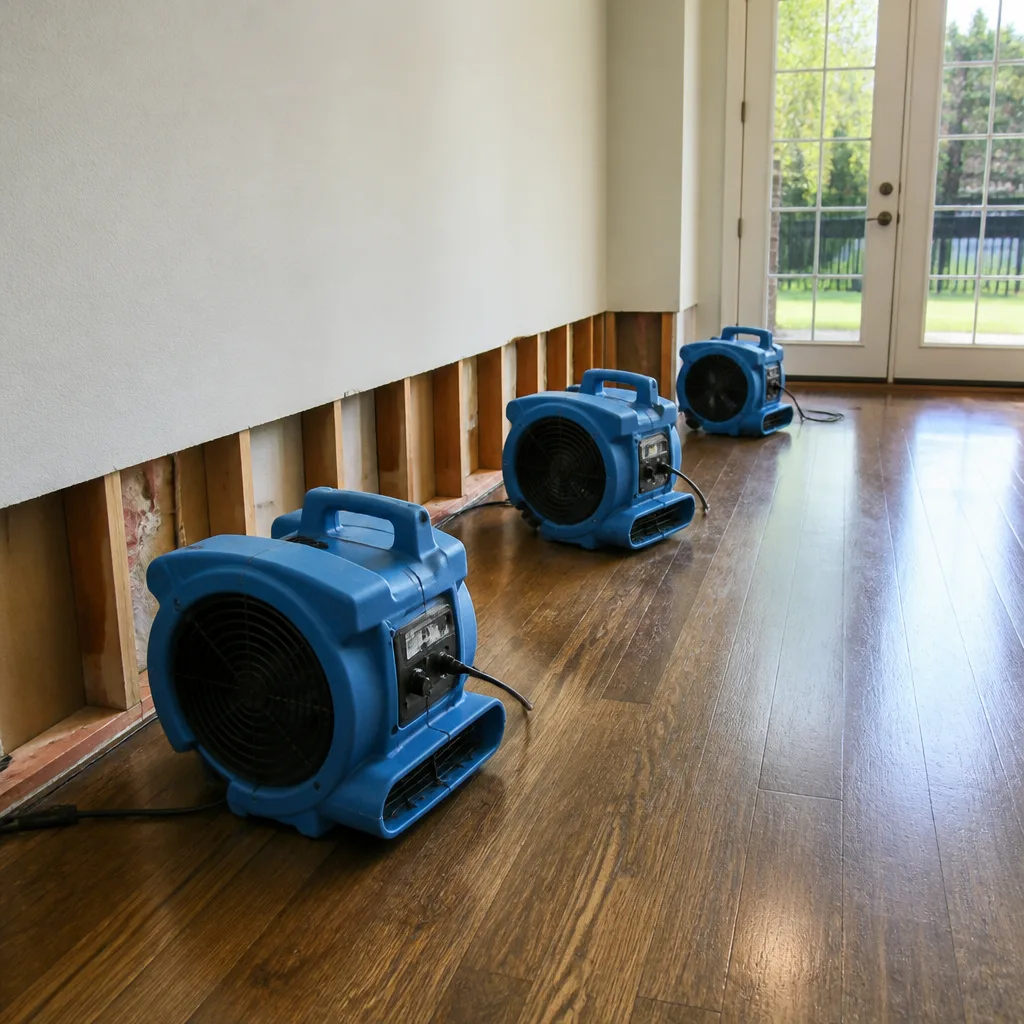
- Equipment placement. Air movers get positioned to create directed airflow across wet surfaces, and dehumidifiers are sized to the load. In Victorville’s dry climate, some contractors skip dehumidification entirely, which is a mistake because the air needs to be managed within the drying chamber, not just exchanged with the outside.
- Daily moisture readings. Readings are recorded every day at the same points, and the drying curve is tracked against the IICRC dry standard for the materials involved. You should be able to see these readings if you ask.
Days 4-7: Structural Drying and Monitoring
- Adjustment of equipment. Blowers get repositioned as surfaces dry, focusing remaining airflow on stubborn areas like wall cavities, sill plates, and subfloor spaces.
- Injectidry or similar cavity drying. If wall cavities or under-floor spaces need drying without removing finished surfaces, specialized injection drying systems press dry air directly into those enclosed areas.
- Targeted demolition if needed. If moisture readings in a cavity aren’t responding, spot opening may be necessary rather than waiting two more weeks and removing the drywall anyway.
Days 7-10: Dry Standard Verification and Equipment Removal
- Final moisture readings. All affected materials should meet the IICRC dry standard: wood typically 16 percent moisture content or below, drywall at or below the established baseline, and no visible moisture or elevated relative humidity in the affected areas.
- Equipment breakdown. Once the structure verifies dry, the equipment comes out and the rebuild conversation begins.
- Scope documentation. The restoration contractor should provide a summary of what was removed, what was dried, and what needs reconstruction. This documentation matters for insurance claims.
The timeline above assumes no major complications. Sewage losses, extensive mold remediation, or fire damage extend it significantly. What matters is that each day has a verifiable purpose, and you’re not watching fans run for three weeks with no recorded progress.
The IICRC S500 Standard: What Drying Validation Actually Requires
The IICRC S500 is the restoration industry’s reference document for professional water damage restoration, and it’s the standard against which proper drying jobs are measured. You don’t need to read the whole thing, but you should understand what it requires of a contractor, because the gap between S500 compliance and what many crews actually do is where hidden damage lives.
An IICRC-certified drying protocol involves documenting the moisture content of affected materials and comparing those readings against established dry standards. The standard for wood framing is typically 16 percent moisture content or lower, but the key concept is that “dry” is relative to the material’s normal equilibrium moisture content in its environment. In Victorville, where ambient humidity is low, the baseline moisture content of wood in a home is often 6 to 8 percent. That means a wall stud reading 14 percent is wetter relative to its normal state than a stud reading 14 percent in a coastal city where the ambient baseline is 10 percent. A restoration contractor who doesn’t account for local baselines will release a job as complete when the materials are still twice their normal moisture content.
Here’s what S500 compliance requires in practice:
- Initial moisture mapping before equipment placement. You can’t dry what you haven’t identified. Every affected area should be mapped with recorded readings.
- Daily monitoring with written or digital documentation. The drying progress needs to be tracked against a target dry standard, not just a gut feeling.
- Psychrometric calculations. Temperature, relative humidity, and grain depression should inform equipment selection and drying chamber management. In Victorville’s dry climate, proper dehumidification is about controlling the drying rate, not just pulling moisture out of the air.
- Final verification readings on all affected materials. The job isn’t done when it looks dry. It’s done when the instruments say it’s dry, and those readings should be available to you and your insurance adjuster.
- Category and class determination. Water is classified by contamination level (Category 1 clean water, Category 2 gray water, Category 3 black water) and by the extent of absorption and evaporation load. This classification drives containment, demolition, and drying decisions.
We’ll be direct: a crew that shows up with fans and a wet/dry vac and calls it a day is not performing IICRC S500-compliant drying. That approach works for a small clean-water spill on tile with minimal wicking, but it fails completely on the multi-room, multi-material scenarios common in Victorville homes with slab foundations and stucco walls. When contractors skip the documentation, there’s no defined endpoint, and the drying process becomes arbitrary.
Construction Types and Water Migration: Stucco, Slab, and Everything Between
The way water moves through a building depends on how that building is built, and Victorville has a specific profile that differs from coastal Southern California. Understanding your home’s construction type explains where water is hiding and why some restoration approaches work better than others.
Wood-Frame Stucco Construction
The dominant construction type across Victorville and the wider Victor Valley is wood-frame with stucco exterior. This matters in two ways during water damage. First, stucco is a reservoir cladding: it absorbs water and holds it, especially on older installations where the drainage plane behind the stucco has deteriorated. When wind-driven rain or sprinkler overspray gets behind the stucco, the moisture channels down the sheathing and collects at the bottom plate of the wall, where it sits against the framing and can wick up into the studs. Second, the wall cavities in these homes are tight, with minimal ventilation, which means trapped moisture has very limited natural drying potential. Non-invasive structural drying using directed air injection is often the difference between saving a wall and tearing it out.
Slab Foundations
A large share of Victorville homes sit on concrete slab foundations rather than raised wood floors. When water leaks from a slab-embedded pipe or floods across a slab floor, the concrete acts as a moisture reservoir. The slab itself can hold water for weeks, slowly releasing it upward into the finished flooring and the bottom plates of nearby walls. Complete drying requires addressing the slab, not just the materials on top of it. This means moisture readings through the slab, potential use of drying mats to pull moisture out of the concrete, and careful monitoring of perimeter walls where slab moisture wicks upward.
Raised Wood Floors
Some older Victorville homes, particularly in the Spring Valley Lake area and a few other pockets, were built with raised wood floors over crawlspaces. These are generally easier to dry from a water damage perspective because the crawlspace provides access and airflow, but they come with their own challenges: HVAC ducts running through the crawlspace can distribute contaminated air, insulation in the floor joist bays holds water, and mold in crawlspaces is common even without a water event. Proper restoration in these homes requires inspecting and often treating the crawlspace, not just the living space above.
Manufactured and Mobile Homes
Victorville has a meaningful stock of manufactured and mobile homes, and these present specific restoration challenges. The floor systems are typically particleboard or OSB over a vapor barrier, which disintegrates when saturated. Wall cavities are thinner and less insulated, which means water spreads further and dries differently. The underbelly materials wick water significantly. A restoration crew unfamiliar with manufactured home construction will miss water trapped in the belly board and under the vapor barrier, leading to mold problems months after the mitigation.
Mold in the High Desert: The False Security of Low Humidity
Homeowners in Victorville often assume mold isn’t a real risk because the climate is dry. That assumption is actively dangerous. Mold in the High Desert doesn’t need ambient humidity to thrive; it needs localized moisture, and that’s exactly what water damage creates inside wall cavities, under flooring, and behind cabinets.
When moisture gets trapped in an enclosed space, the air inside that space reaches high relative humidity regardless of what the weather station says outside. A wall cavity holding 20 percent moisture content in its framing creates a microclimate of 80 to 90 percent relative humidity inside that cavity, which is ideal for mold growth. The visible surface may read dry, the homeowner may see no staining, and mold is still colonizing the back side of the drywall or the face of the studs. This is why thorough moisture mapping and drying validation matter so much in Victorville specifically: the dry climate provides a false sense of security that a humid climate never offers.
Common mold locations we find in Victorville homes include bottom plates of exterior walls where window leaks or stucco failures have introduced moisture, wall cavities adjacent to bathrooms with failed caulking or slow supply line drips, under kitchen cabinets where dishwasher or sink drains have leaked, and in closets or rooms with limited airflow where a water event was partially dried. Mold remediation in the High Desert follows the same IICRC S520 standard used everywhere: contain the affected area, control the air, remove contaminated materials, clean the remaining surfaces, and verify clearance with post-remediation testing. The difference is that in Victorville, the source of the moisture is often hidden behind surfaces that feel dry to the touch, which makes professional moisture mapping the starting point rather than a formality.
For a deeper look at how mold remediation works step by step, see our guide on Mold Remediation in Jurupa Valley, which covers the containment, removal, and clearance process in detail.
Fire and Smoke Restoration in Victorville
Fire damage in Victorville comes in two forms: structure fires that burn parts of the home, and smoke damage from fires contained to a single room or appliance. Both require specialized restoration that goes far beyond cleaning the visible soot.
Smoke is a gas and a particle, and it behaves differently depending on what burned. Protein smoke from cooking fires leaves a nearly invisible residue that coats every surface and produces a persistent odor. Plastic smoke from burning synthetics creates heavy black soot that etches into surfaces and requires aggressive cleaning or replacement. In a Victorville home with wood-frame construction, smoke particles penetrate wall cavities, ductwork, insulation, and even the spaces behind electrical outlets. A surface clean of the smoke-affected room leaves particles inside the walls and in the air path, and the odor returns within weeks.
A proper fire restoration follows a defined sequence: secure the structure and board up openings, remove charred and unsalvageable materials, clean all affected surfaces using appropriate methods for the smoke type, seal or encapsulate remaining odor sources, and finally verify the result through air sampling or clearance testing where warranted. Thermal fogging and ozone treatment are tools, not replacements for proper source removal. Homes in Victorville’s windy conditions add a factor: openings in the building envelope after a fire let the desert wind push through the structure, redistributing soot and smoke particles while the home sits open.
One thing we want to emphasize: fire restoration is not something to tackle with elbow grease and a shop vac. The particulate matter from structure fires includes combustion byproducts that are hazardous to breathe, and proper personal protective equipment and containment are non-negotiable. A trained crew with the right equipment makes the difference between a home that’s actually clean and one that still smells like smoke every time the wind blows.
For a complete walkthrough of the fire restoration process, see our guide on Fire Damage Restoration in Jurupa Valley.
The Equipment That Actually Matters
Walk through a professional restoration warehouse and you’ll see equipment from a dozen brands, but the brands a contractor chooses tells you something about their standards. The professional-grade equipment used by insurance-preferred restoration contractors is manufactured by a relatively small group of companies, and Victorville homeowners should recognize the names: Dri-Eaz and Phoenix dominate the commercial dehumidifier and air mover market, XPOWER makes high-velocity blowers used in professional drying setups, and B-Air produces air movers found in many restoration fleets. Injectidry is a specialized system for drying inside wall cavities and under floors without removing finished surfaces.
Here’s what this equipment actually does and why it matters for your restoration.
Air Movers
Professional air movers create directed airflow across wet surfaces, which accelerates evaporation by replacing the boundary layer of saturated air with drier air. The key word is directed: air movers need to be positioned to create a vortex pattern across the floor and up the walls, not just pointed at the room. Cheap homeowner fans blow air in a cone and don’t create the same airflow profile. The distinction shows up in drying times, and extended drying times in Victorville mean more days of displaced living and higher total restoration costs.
Dehumidifiers
Dehumidifiers pull moisture out of the air so the air can continue absorbing moisture from wet materials. In Victorville’s dry climate, some contractors run minimal dehumidification because the ambient air is already dry, but that logic fails when you’re drying enclosed spaces. A wall cavity doesn’t exchange air with the outdoors quickly, and without controlled dehumidification in the drying chamber, the captured moisture stays in the room. LGR (low grain refrigerant) dehumidifiers from brands like Dri-Eaz and Phoenix are the standard in professional restoration because they continue pulling moisture efficiently even as the air gets drier, which matters for hitting the low moisture baselines common in the High Desert.
Injectidry and Cavity Drying Systems
This is the equipment that separates full-service restoration contractors from extraction-and-fan operations. Injectidry systems push dry air directly into wall cavities, under cabinets, and under finished flooring through small access points, drying the enclosed spaces where moisture hides without requiring demolition of the finished surface. In Victorville’s wood-frame stucco homes, where wall cavities are tight and poorly ventilated, this non-invasive structural drying method often saves walls that a tear-out-first approach would destroy. The cost of the equipment and the training to use it correctly is significant, which is why most restoration companies don’t offer it. When it’s done right, it reduces demolition costs and rebuild time.
Moisture Meters and Thermal Imaging
The instruments matter as much as the drying equipment. Penetrating moisture meters read moisture content inside materials, non-penetrating meters scan below surfaces, and thermal imaging cameras reveal temperature differentials that indicate hidden moisture. Without these tools, a restoration technician is working blind, and in Victorville where surface dryness is misleading, working blind is how walls get closed up with active mold growing behind them.
Common Mistakes to Avoid
- Trusting surface dryness in a High Desert climate. Victorville’s low humidity evaporates surface moisture quickly while moisture remains trapped in cavities and substrates. A wall that feels dry can hide 20 percent moisture content in the framing behind it. Always ask for instrument readings, not just visual confirmation.
- Skipping dehumidification because the air is dry. Contractors who assume desert air will dry everything out miss the physics of enclosed spaces. Wall cavities and under-floor areas don’t get meaningful airflow from the ambient environment, and without controlled dehumidification, trapped moisture persists.
- Placing fans without a moisture map. Until you know where the water went, you can’t position equipment to dry it. Skipping the initial moisture mapping step means missed areas and a drying job that takes longer and costs more.
- Using homeowner-grade equipment. Box fans and consumer dehumidifiers don’t produce the airflow or moisture removal rates needed for structural drying after a meaningful water event. The job drags on, and the materials stay wet longer, increasing mold risk in a climate where enclosed moisture is the primary threat.
- Ripping out materials that could be dried in place. The opposite failure mode is equally costly. Contractors without cavity-drying capability will tear out drywall and flooring that could have been saved with professional equipment, turning a $3,000 mitigation into a $15,000 rebuild. Ask whether non-invasive structural drying is an option before demolition begins.
- Not documenting the process for insurance purposes. If your contractor can’t produce moisture readings, photos, and a written scope, your insurance claim gets harder. Adjusters expect documentation that matches industry standards, and gaps in that paper trail usually cost the homeowner money.
When to Call a Professional
Call a professional restoration contractor in Victorville the moment you discover water damage that extends beyond a small clean-water spill you can fully see and dry yourself. If water has wicked into walls, soaked flooring, or come from a contaminated source like a sewage backup or appliance overflow, the clock is running on secondary damage. The same urgency applies to visible mold growth larger than a few square feet, any fire or smoke event that affected more than a small area, and water damage in enclosed spaces like wall cavities, under cabinets, or below finished flooring. If you’re not sure, a qualified assessment is worth the call; the cost of finding out you didn’t need restoration is far lower than the cost of finding out three months later that you did and didn’t get it. Whitfield Water Damage offers free estimates in Victorville; call (855) 382-0478 and we’ll tell you honestly whether you have a problem that needs professional attention or a situation you can handle yourself.
Frequently Asked Questions
Water damage restoration in Victorville typically ranges from $1,200 to $4,500 for a moderate clean-water event like a washing machine overflow or supply line break, with more extensive jobs involving multiple rooms, sewage, or slab leaks pushing higher. See our Damage Restoration Cost Breakdown: The Victorville Homeowner’s Reference for 2026 for detailed pricing factors. The total depends on the water category, the affected square footage, the drying equipment required, and how much material needs removal. The biggest cost variable is whether the job is caught and dried properly the first time; a partial dry that requires reopening walls later doubles the total cost. Call (855) 382-0478 for a free estimate on your specific situation.
A restoration contractor should be able to respond to a water emergency in Victorville within hours, not days. Same-day response is standard in the industry because every hour of standing water expands the damage footprint and increases the likelihood of mold. When you call, ask specifically whether the company dispatches crews from within the Victor Valley or from a regional hub, because response times vary based on where the crews actually are. Whitfield Water Damage serves Victorville directly; call (855) 382-0478 and we’ll get someone out to assess the damage.
Most homeowner’s policies cover sudden and accidental water damage, like a burst pipe or appliance failure, provided the damage wasn’t caused by neglect or a maintenance issue the policyholder ignored. Mold remediation is typically covered only when the mold results from a covered water loss. Fire damage is covered under standard policies, including smoke cleanup and structural repair. The documentation your restoration contractor provides, including moisture readings, photos, and a written scope of work, is the bridge between a clean claim and a disputed one. For additional help navigating the process, explore our more guides & resources. Whitfield Water Damage documents every job to insurance standards, including photo documentation and direct adjuster coordination where needed.
Mold remediation for a typical bathroom or closet in a Victorville home takes 2 to 5 days from containment setup through final clearance, assuming the moisture source has been corrected. Larger areas or cases with HVAC contamination take longer. The timeline includes containment installation, air scrubbing, removal of contaminated materials, cleaning of remaining surfaces, drying, and clearance testing. Rushing this process in the High Desert climate doesn’t save time; it saves money for the contractor at the expense of a home that isn’t actually clean.
If visible mold growth covers more than 10 square feet, or if mold is present inside wall cavities, under flooring, or in HVAC ducting, you need professional remediation, not surface cleaning. Surface cleaning removes visible mold but doesn’t address the moisture source or the hidden colonies, and in Victorville’s wall cavities, mold spreads invisibly through the framing. A professional assessment with moisture mapping and, where warranted, air or surface sampling tells you which category your situation falls into. The answer isn’t always full remediation; sometimes it is a targeted cleaning and drying job, and an honest contractor will tell you which applies. Call (855) 382-0478 for an assessment.
That musty smell in a Victorville summer usually comes from a localized moisture source that’s releasing microbial VOCs (volatile organic compounds) into enclosed spaces. The ambient air is dry, but a leaking pipe inside a wall, condensation from an air handler, or moisture trapped under flooring creates a high-humidity microclimate where mold and bacteria grow. The odor becomes more noticeable in summer because higher indoor temperatures increase the off-gassing rate. The solution is a moisture investigation, not air fresheners, which is why a professional assessment with thermal imaging and moisture meters is the right first step rather than waiting for visible signs.
The Bottom Line
Damage restoration in Victorville succeeds or fails based on whether the contractor understands the High Desert’s specific conditions and follows a documented, standards-based process. The dry climate creates a false sense of security that punishes homeowners who settle for surface-level drying. The predominant construction types, wood-frame stucco over slab foundations, hide water in places that require instrument-based moisture mapping and specialized drying equipment to address. IICRC-certified methods, professional-grade equipment from brands like Dri-Eaz and Phoenix, and thorough documentation for insurance purposes are not optional extras; they’re the difference between a home that’s actually restored and one with a problem quietly growing behind the drywall. If you’re facing water, mold, or fire damage in Victorville, get an assessment from a contractor who can show you readings, explain the process, and document the result. That’s how you protect the structure you live in from the damage you can’t see. Call Whitfield Water Damage at (855) 382-0478 for a free estimate, and get clear answers about what your situation actually requires.
Written by the team at Whitfield Water Damage, serving Victorville since 2011.
See the difference
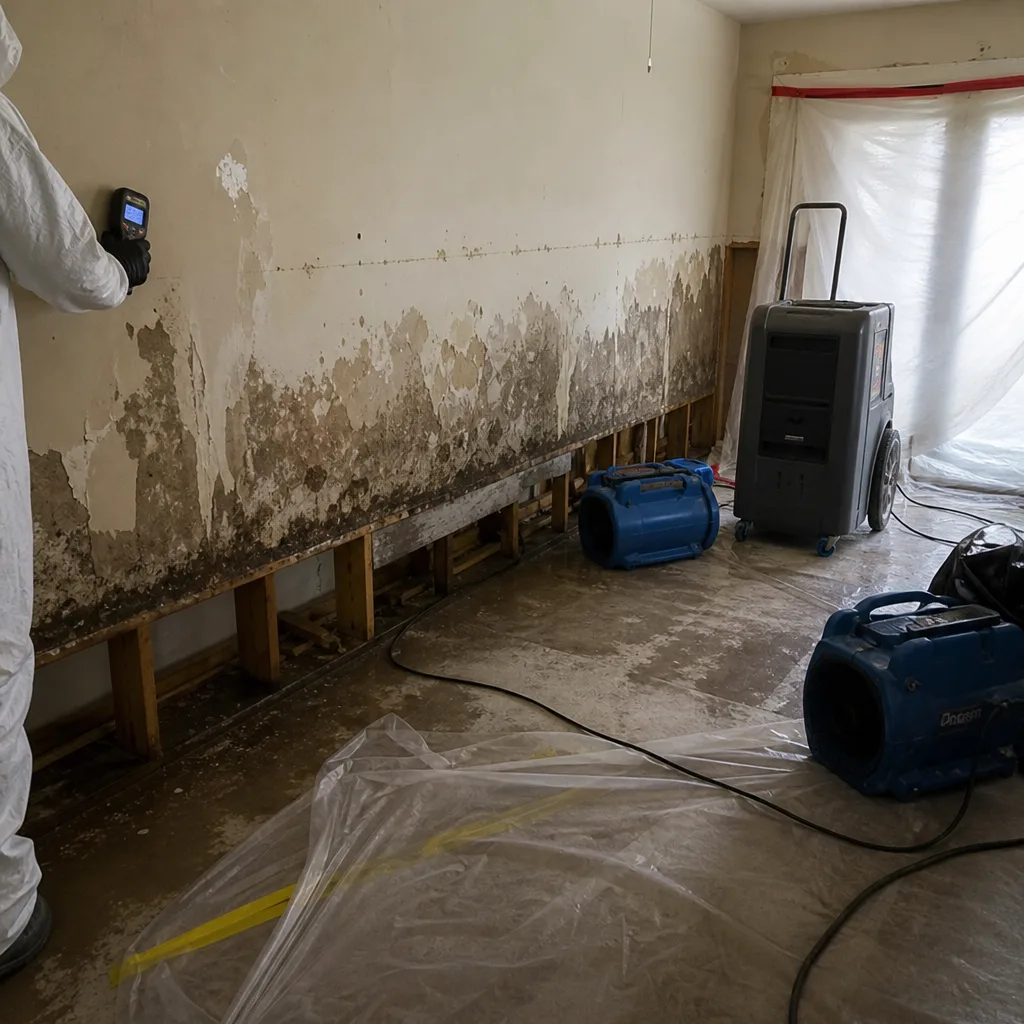 Before
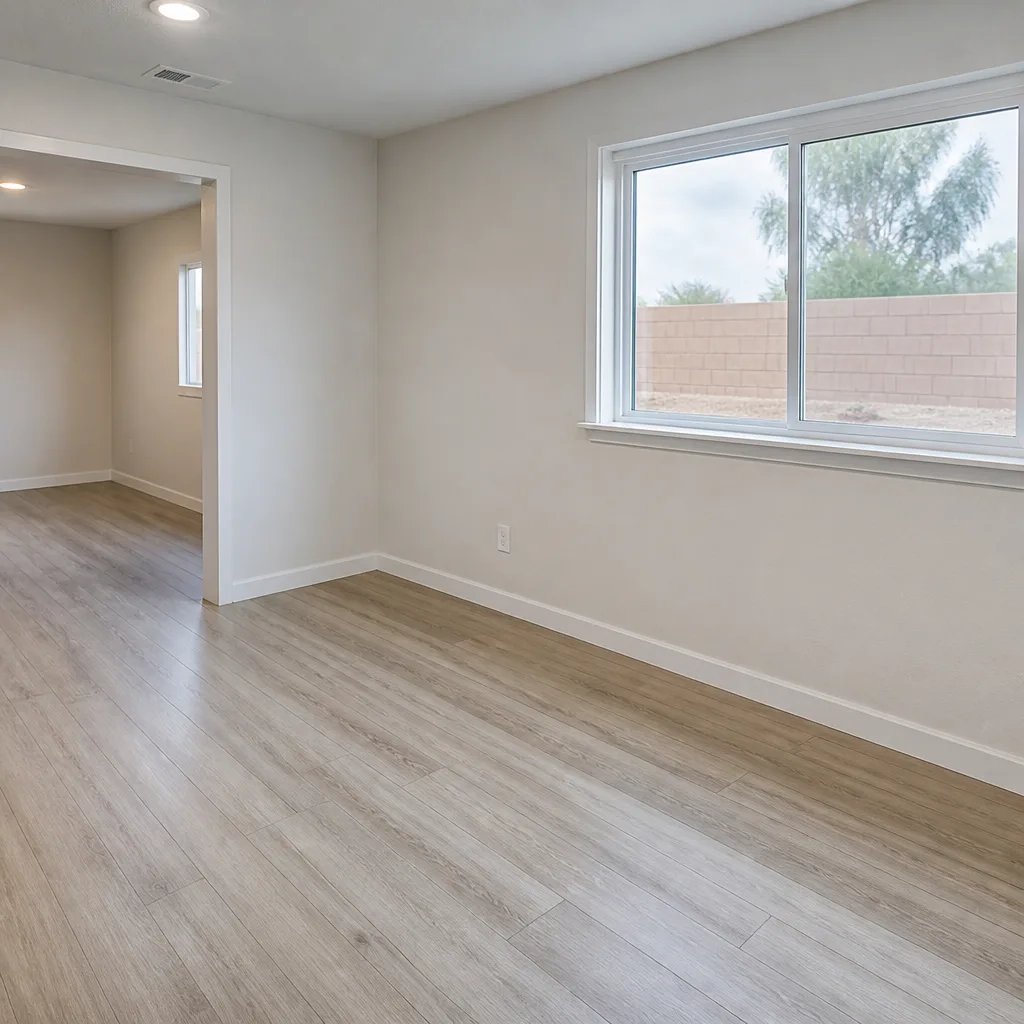 After
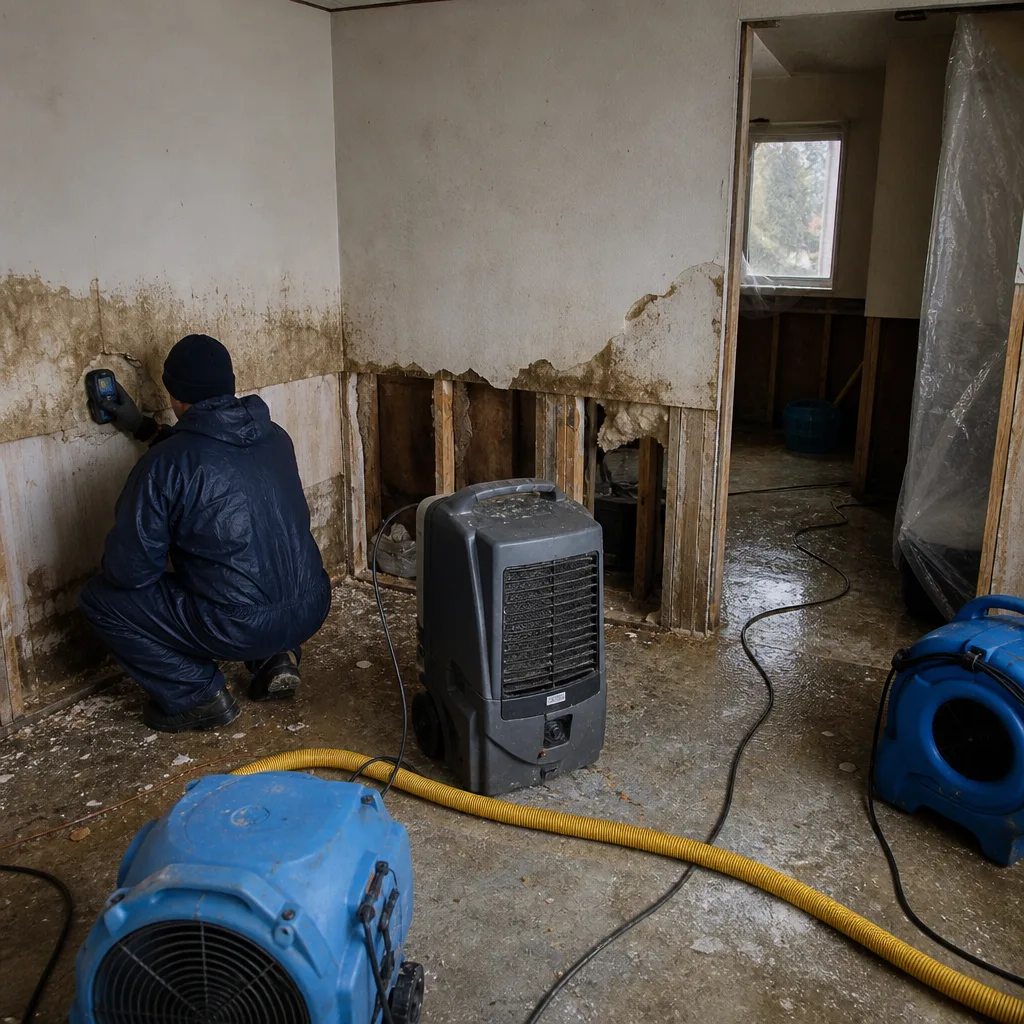 Before
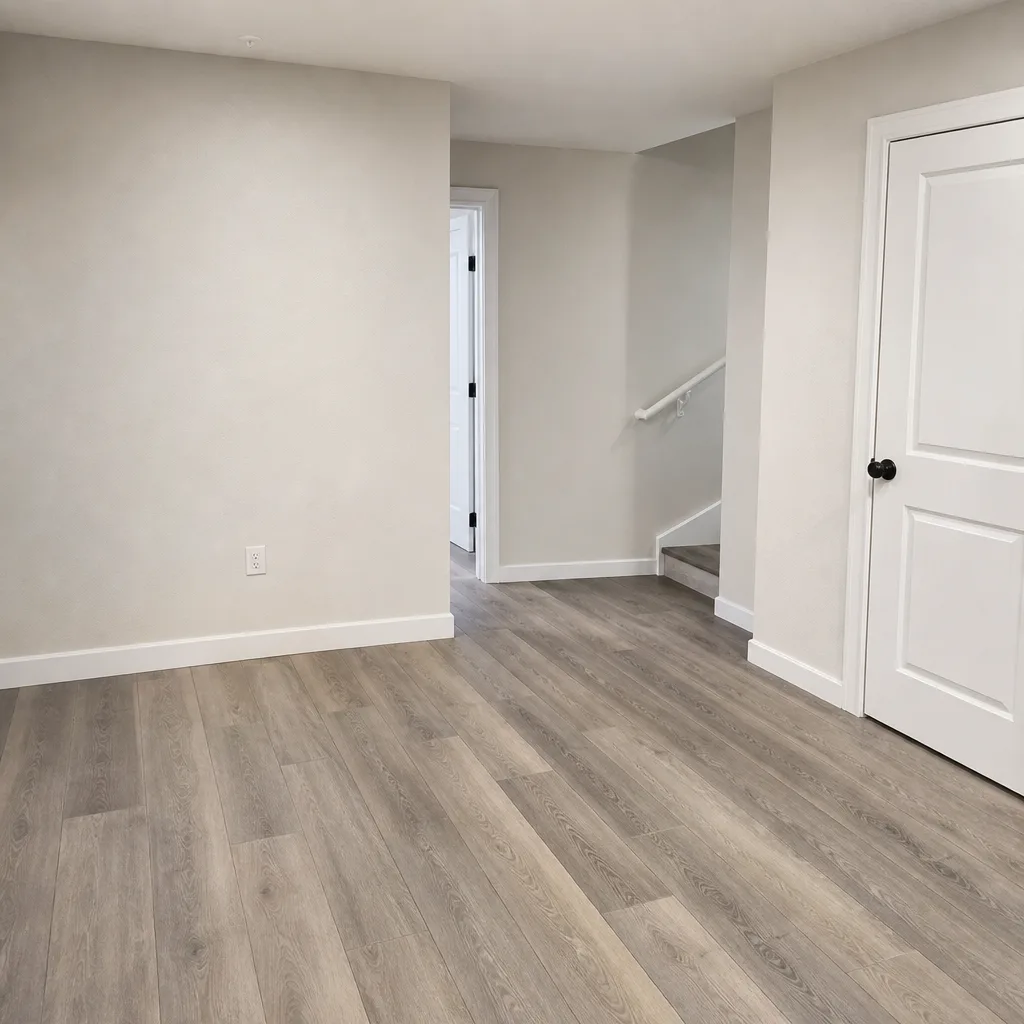 After
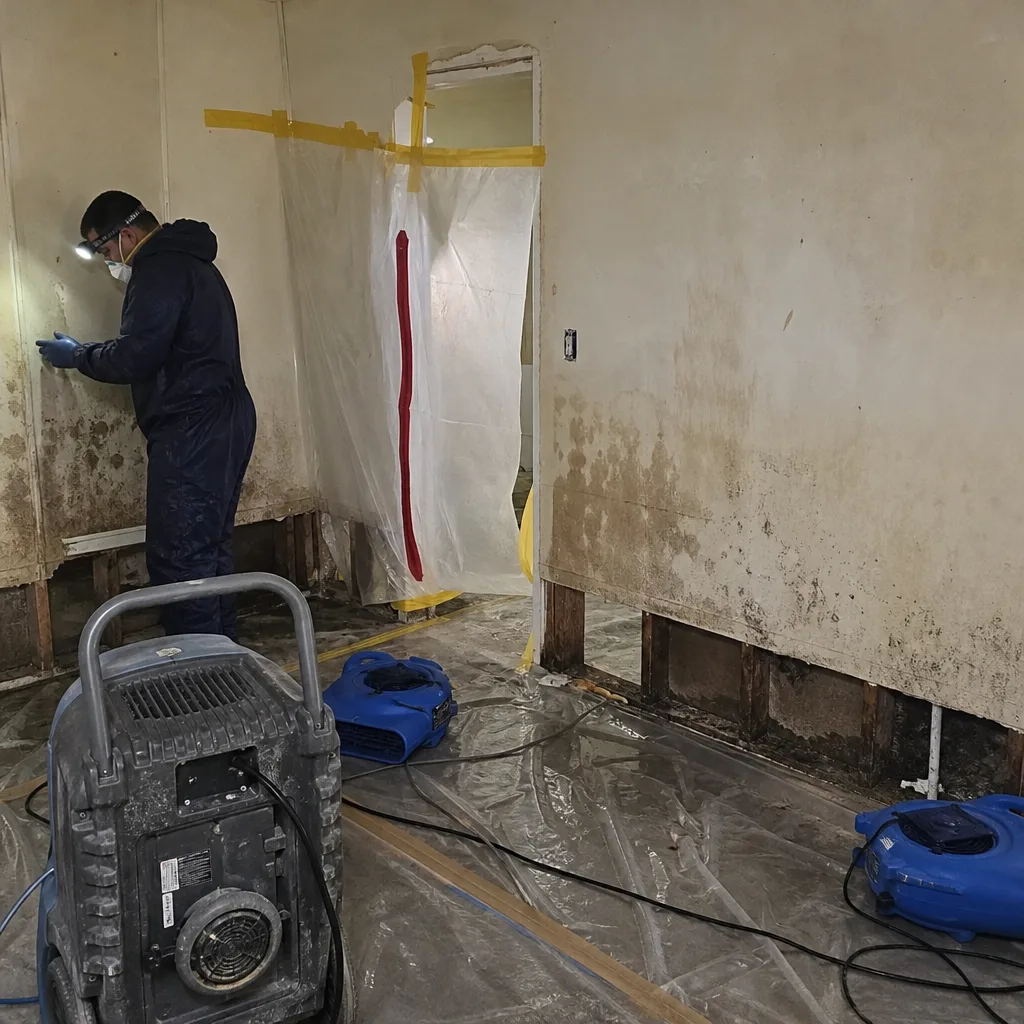 Before
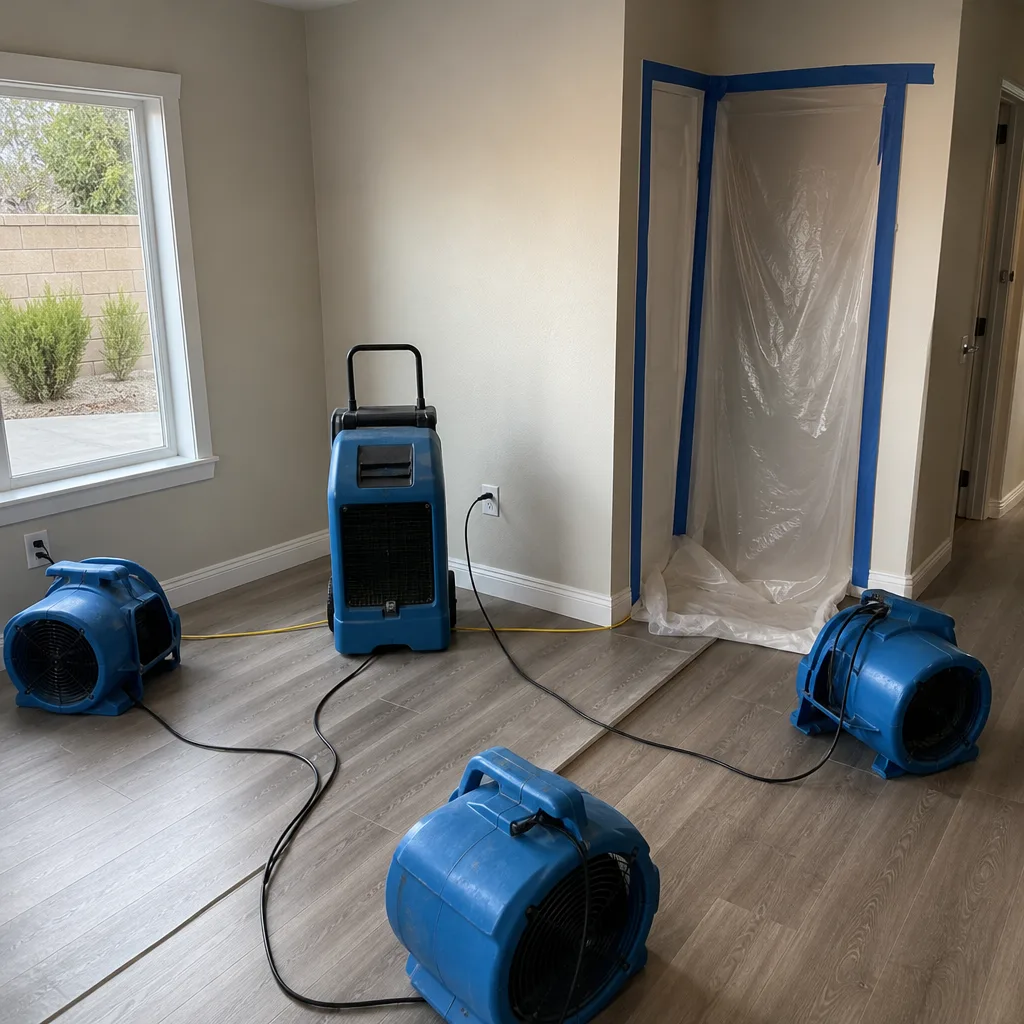 After